

Do you often feel sick to your stomach before your period? You’re not alone. Many people deal with persistent physical discomfort that messes with their daily life. It’s hard to focus on work or family when you’re not feeling well.
Understanding how your cycle affects these symptoms is key. It’s a big step in taking care of your women’s health.
Hormonal changes during the luteal phase can cause big reactions in your body. When estrogen and progesterone levels change, they affect mood and digestion. This guide will explain why you might feel pmdd nausea and how to manage it.
For more on how these cycles affect your health, check out our complete guide on mental health and the menstrual. Dr. Helloyze Ferreira Ancelmo (CRM-GO 31293) reviewed it. It’s packed with information to help you feel in control.
Key Takeaways
- Hormonal shifts during the luteal phase are primary drivers of physical distress.
- Tracking your symptoms over several months helps identify patterns and triggers.
- Dietary adjustments, such as reducing caffeine and sugar, can significantly ease digestive discomfort.
- Evidence-based supplements like magnesium may support your body during difficult days.
- Seeking professional medical guidance is essential if symptoms interfere with your daily functioning.
Quick Answer
Nausea before your period is often due to hormonal changes. Right after ovulation, your body sees a dramatic drop in progesterone and estrogen levels. This is during the luteal phase.
This change makes your stomach more sensitive. You might feel sick or just not feel well. This is common during this time of the month.
But don’t worry, these symptoms usually go away when your period starts. Knowing that nausea before period is normal is a big step. It helps you take care of yourself better. By understanding your cycle, you can make your life better.
Key Takeaways
Understanding your body’s reaction to hormonal changes is key to finding relief. Recognize that menstrual nausea linked to PMDD is a real physical response. It’s not just in your head.

Managing symptoms often means making nutritional adjustments, staying hydrated, and seeking medical help. By tracking your cycle, you can prepare for these changes. This way, you can act before symptoms get worse.
“Listening to your body is not a sign of weakness; it is the most powerful tool you have for advocating for your own health and well-being.”
If your menstrual nausea is really bad or stops you from doing daily things, see a doctor. They can create a plan just for you to take back control of your health.
| Strategy | Primary Benefit | Implementation |
|---|---|---|
| Nutritional Adjustments | Stabilizes blood sugar | Eat small, frequent meals |
| Hydration | Reduces physical stress | Drink water consistently |
| Medical Consultation | Targeted relief | Discuss symptoms with a doctor |
| Symptom Tracking | Identifies patterns | Use a health journal |
What Is PMDD Nausea?
You might feel sick all the time, and it matches your menstrual cycle. This pmdd nausea usually starts after ovulation and before your period. It’s not just a simple stomachache. It’s a complex reaction to hormonal changes.

Common Symptoms
Along with feeling sick, you might face other physical challenges. These pmdd digestive symptoms often come with other issues that affect your health.
- Fatigue: Feeling extremely tired, making everyday tasks hard.
- Insomnia: Trouble sleeping, which makes you feel worse.
- Bloating: Feeling very uncomfortable in your stomach.
- Headaches: Severe, ongoing pain that goes with your stomach issues.
Daily Impact
These symptoms can really mess up your daily life. Feeling nauseous makes it hard to eat regularly. This leads to more discomfort and stress.
The table below shows how these symptoms affect you during your cycle:
| Symptom Category | Primary Effect | Impact Level |
|---|---|---|
| Digestive | Persistent pmdd nausea | High |
| Neurological | Severe headaches | Moderate |
| Metabolic | Fatigue and bloating | High |
| Sleep | Chronic insomnia | Moderate |
Why PMDD Causes Nausea
Every month, your body goes through changes that can cause pmdd nausea. It’s not just a random feeling. It’s your body’s way of telling you it’s out of balance.
Hormonal Changes
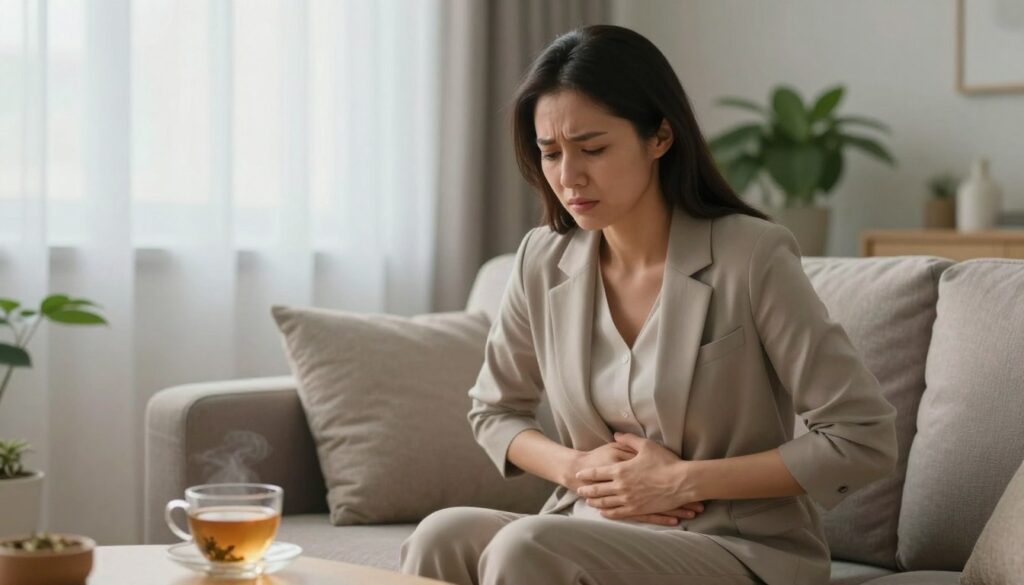
The main reason for this discomfort is the quick change in progesterone and estrogen levels. These hormones control your cycle and talk to your gut-brain axis. When they change fast, your body may feel sick, leading to hormonal nausea.
Stress Response
Your body sees these hormone changes as stress. This makes you more sensitive to pain. Even small things can feel big, making you feel sick all the time.
Digestive Factors
These changes slow down how fast your stomach empties. This can cause bloating and discomfort. Also, PMDD can make your body inflamed, making things worse.
To feel better, you need to take care of yourself in many ways. Learn about an anti-inflammatory diet for PMDD. It can help reduce hormonal nausea. By fighting inflammation, you might find your pmdd nausea gets better.
PMDD Nausea vs Other Conditions
It’s key to know the difference between pmdd nausea and other health issues. While some people feel a bit off during their cycle, PMDD symptoms are much worse. They can really disrupt your life.
Telling PMDD apart from regular PMS is critical. PMDD brings severe physical and emotional changes that need special care. Your symptoms might seem like other health problems, making it hard to find the cause. Learn more about these hormonal changes in this clinical overview of mood disorders.

Dealing with persistent pmdd nausea means looking at your overall health. Unlike PMS, PMDD symptoms last longer and can really affect your daily life. It’s easy to mix these symptoms up with menopause, as explained in this comparison of PMDD and perimenopause.
Here are some key points that show PMDD is different from other issues:
- Severity: PMDD symptoms are so bad they can mess up work, school, and personal relationships.
- Duration: While PMS symptoms are short-lived, pmdd nausea and emotional pain last for days before and during your period.
- Clinical Need: Because symptoms are so intense, they often need a special treatment plan, not just lifestyle changes.
Getting a correct diagnosis is the best way to get the right care. By working with a healthcare provider, you can rule out other conditions. This way, you can focus on a plan that meets your specific needs.
Relief Strategies
If you’re dealing with stomach problems during your cycle, there are ways to feel better. To tackle pmdd digestive symptoms, you might need to make some lifestyle changes and get professional help.
Nutrition Tips
Changing what you eat can really help your stomach. Eat small, frequent meals instead of big meals. This helps your stomach digest food better.
Try eating bland carbs like crackers, rice, or toast. They help keep your energy up without upsetting your stomach. Many people find that ginger-based snacks or ginger tea help with menstrual nausea. They calm your stomach naturally.
Hydration
Drinking enough water is also key during the luteal phase. Not drinking enough can make headaches and stomach problems worse. It makes it harder for your body to handle hormonal changes.
Drink water all day, not just in big gulps. If plain water is hard to drink, try adding lemon or cucumber. It makes it taste better.
Medical Treatments
If changing your lifestyle isn’t enough, talk to your doctor about other options. You might want to look into treating premenstrual dysphoric disorder with medical help.
Doctors might suggest SSRIs or hormonal contraceptives to manage your symptoms. Working with a doctor helps you find the right treatment for you. This way, you can better handle pmdd digestive symptoms.
Nausea Comparison Table
Tracking your symptoms can help you understand why you feel nausea before period. By noting when and how bad you feel, you can talk better with your doctor. This helps spot patterns and when things are off.
This table shows different conditions that might feel similar. It helps you tell if it’s just hormones or something else.
| Condition | Typical Timing | Intensity | Key Characteristics |
|---|---|---|---|
| PMDD | Luteal phase (1-2 weeks before) | Severe | Accompanied by mood shifts |
| Standard PMS | Days before menstruation | Mild to Moderate | Physical bloating and fatigue |
| Pregnancy | Early stages (ongoing) | Variable | Morning sickness, missed period |
| GI Issues | Anytime | Variable | Linked to food or digestion |
When you feel nausea before period, write down how long and how bad it is. Telling your doctor about this helps them figure out what’s going on. Tracking regularly is key to keeping your health in check.
When to Seek Medical Help
Many people handle mild discomfort at home. But, some signs mean you need a doctor. If you’re feeling hormonal nausea that’s hard to handle, listen to your body and call a doctor.
Seek medical help right away if you have severe stomach pain or keep vomiting. Also, if you can’t keep fluids down for more than 24 hours, you might be dehydrated.
If changes in your lifestyle don’t help, or if symptoms affect your mental health and daily life, see a doctor. Taking a PMDD self-care quiz can help you understand your symptoms before your visit. Early intervention is key to managing hormonal nausea and avoiding serious problems.
Your health is a priority. A healthcare provider can give you a correct diagnosis and a treatment plan made just for you.
Evidence Summary
Understanding PMDD symptoms is key for your health. Recent studies show a link between your gut and hormones. This means your digestive system affects your hormones more than we thought, which is important for women’s health.
Research shows that certain diets and treatments can lessen physical pain. By focusing on these areas, you might better manage your symptoms. Consistency in treatment plans works best with a healthcare team.
“The future of medicine lies in understanding the unique biological blueprint of every patient, moving beyond one-size-fits-all solutions to embrace truly personalized care.”
Even with promising research, there are data gaps. Many studies don’t follow patients long enough to see lasting effects. This is why personalized care is the best approach in women’s health today.
| Intervention Type | Primary Focus | Expected Outcome |
|---|---|---|
| Nutritional Therapy | Gut Microbiome Balance | Reduced Inflammation |
| Medical Treatment | Neurosteroid Modulation | Symptom Severity Drop |
| Lifestyle Changes | Stress Response | Improved Daily Function |
Always talk to your doctor about how these findings apply to you. Evidence-based plans work best when they fit your health history and lifestyle.
Final Thoughts
Managing your physical well-being during the luteal phase takes patience and understanding your body. By focusing on women’s health, you can handle these hormonal changes better.
You have the power to improve your daily life with small changes. The strategies in this guide can make a big difference in your quality of life.
You’re not alone in this journey. There are many resources and medical professionals ready to help. Taking care of your women’s health ensures you get the care you need to thrive.
Stay proactive by tracking your symptoms and talking openly with your healthcare provider. Your commitment to self-care is key to long-term wellness.
FAQ
What exactly is PMDD nausea and when does it occur?
PMDD nausea is a symptom of Pre-Menstrual Dysphoric Disorder. It’s a feeling of sickness or queasiness that lasts. It happens during the luteal phase, between ovulation and your period.
This nausea is more intense than PMS discomfort. It often comes with bloating and changes in appetite.
Why do I experience hormonal nausea right before my period begins?
Hormonal changes cause this nausea. Progesterone and estrogen levels drop after ovulation. This affects your gut and makes you more sensitive to stomach issues.
Dr. Helloyze Ferreira Ancelmo says this shift makes your body stress more. This leads to nausea before your period.
How can I distinguish between PMDD and regular PMS symptoms?
PMDD symptoms are more severe and disrupt your life. PMS might cause slight discomfort, but PMDD nausea is persistent. It’s also linked to severe fatigue, headaches, and insomnia.
At Vidah Plena, we suggest tracking your cycle. If symptoms go away with your period, it might be PMDD.
What are the most effective ways to find relief from pmdd nausea?
To manage symptoms, try eating small, frequent meals. Choose bland carbs or ginger-based snacks. Staying hydrated helps prevent headaches and digestive problems.
If symptoms are severe, talk to a professional. They might suggest SSRIs or hormonal contraceptives to stabilize your cycle.
Are there other pmdd digestive symptoms I should be aware of?
Yes, you might also experience bloating, constipation, or diarrhea. These are linked to hormonal changes and inflammation in your gut. Understanding these patterns is important for managing your health.
When is it necessary to seek medical help for my symptoms?
See a doctor if you have persistent vomiting, severe pain, or can’t keep fluids down for 24 hours. If symptoms affect your daily life, get professional help. They can create a treatment plan tailored for you.
Can changes in my diet and nutrition really help with menstrual nausea?
Yes, diet is key in managing PMDD. Avoid inflammatory foods and eat complex carbs to stabilize blood sugar. Supplements and dietary changes can help manage symptoms long-term.