

Do you feel overwhelmed, tearful, or irritable just before your period? You might think it’s just PMS. But it’s more than that. Your feelings and experiences deserve clear answers about PMDD.
Research shows PMDD isn’t just about estrogen or progesterone levels. It’s about how sensitive your brain is to these changes. Stress, past trauma, and how you process sensory information also play a role. Studies have found links between brain changes and PMDD symptoms.
How PMDD is classified affects treatment. The DSM-5 sees it as a depressive disorder, while the ICD-11 views it as a gynecological condition. This difference impacts how doctors diagnose and treat PMDD. About 3–8% of women of reproductive age have PMDD, and a specific diagnosis is needed.
This article will explain PMDD’s symptoms, hormonal theories, and how trauma and genetics play a part. We’ll also discuss research limitations and treatment options. You’ll learn how to advocate for care that understands your biology and experiences.
Key Takeaways
- PMDD affects roughly 3–8% of women and is distinct from milder PMS.
- Causes of PMDD involve hormonal sensitivity to normal menstrual-cycle changes, not abnormal hormone levels.
- Neuroimaging links cyclical changes in emotional and regulatory brain regions to symptoms.
- Stress systems, genetics, trauma history, and sensory processing all interact with hormonal triggers.
- DSM-5 and ICD-11 classify PMDD differently, which can affect treatment pathways in reproductive psychiatry and women’s mental health.
Reviewed by: Dr. Helloyze Ferreira Ancelmo (CRM-GO 31293).
Quick Answer
You might wonder what causes PMDD because the symptoms seem too much. Research shows it’s not about abnormal blood levels. Instead, it’s how your brain reacts to normal menstrual changes.
It’s all about hormonal sensitivity. After ovulation, hormones like progesterone change. In PMDD, these changes affect mood, sleep, and stress.
Genetics, past trauma, and mental health issues can increase your risk. Studies suggest treatments like certain medications and therapies can help. You can find a detailed guide on premenstrual mood disorders.
The main point is: blood tests often show nothing wrong in PMDD. The problem lies in how your nervous system reacts. Treatments aim to reduce this sensitivity and balance your neurotransmitters.
Key Takeaways
Remember, PMDD affects a small group of people, about 3–8%. It can really mess up work, relationships, and daily life.
Reproductive psychiatry sees PMDD as a reaction to normal hormone changes, not always bad hormone levels. Allopregnanolone, a hormone product, is key in studies.
Serotonin is important because drugs that boost it often help quickly. This is why these drugs work for many with PMDD and why scientists keep studying brain chemistry.
Things like past trauma, being sensitive to feelings, and how we sense our body can increase risk. They can make symptoms worse by changing how our brain and body work. Family history and genetics also play a role, making it important to track symptoms over time.
New treatments are looking at how hormones talk to our brain. Things like sepranolone and drugs that change how progesterone works are being studied. But, there’s more to learn about how different people react and why some treatments work better for some than others.
Tools like the Daily Record of Severity of Problems help track symptoms. For more on the challenges in finding biomarkers and understanding PMDD, see PMCID 11790554.
These key points can help you talk to doctors in reproductive psychiatry. They can also guide you in finding resources on women’s mental health, diagnosis, and treatment.
What Is PMDD?
Premenstrual dysphoric disorder, or PMDD, is a mood disorder that happens in the luteal phase. This is usually Days 17–28 of your cycle. It goes away soon after your period starts.
PMDD is different from normal menstrual changes because of its severity. It can really affect your work, school, and relationships.
To diagnose PMDD, doctors look at when symptoms happen and how often. Symptoms must show up in most cycles for at least a year. They need to be tracked daily for two cycles or more.
Common symptoms include mood swings, anger, sadness, anxiety, and trouble concentrating. You might also feel tired, have changes in appetite or sleep, or physical issues like bloating or headaches.
About 3–8% of people who menstruate have PMDD. Symptoms often start in the late 20s to early 30s. But, it can start at any age.
It’s important to know that other conditions can look like PMDD. These include depression, anxiety, and thyroid problems. Medications and substance use can also cause similar symptoms.
Doctors use daily symptom diaries or special scales to diagnose PMDD. This helps rule out other mood disorders that don’t follow the menstrual cycle.
In treating PMDD, doctors look at your history, sleep patterns, and how it affects your daily life. They use tracking, a detailed history, and check for physical symptoms to plan treatment.
| Feature | PMDD Profile | How You Can Document It |
|---|---|---|
| Timing | Symptoms in luteal phase, remit after menses begins | Daily symptom diary for ≥2 cycles |
| Core emotional symptoms | Mood lability, irritability, depressed mood, anxiety | Validated scales like Daily Record of Severity of Problems |
| Physical symptoms | Bloating, headaches, joint pain, sleep disturbance | Symptom checklist on diary entries |
| Functional impact | Clinically significant interference with work or relationships | Work/school attendance records and collateral history |
| Differential concerns | MDD, bipolar disorder, GAD, PTSD, thyroid dysfunction, meds | Medical review, thyroid tests, medication reconciliation |
| Clinical focus | Confirm cyclicity and measure impairment | Reproductive psychiatry consultation when complex |
The Hormonal Sensitivity Theory
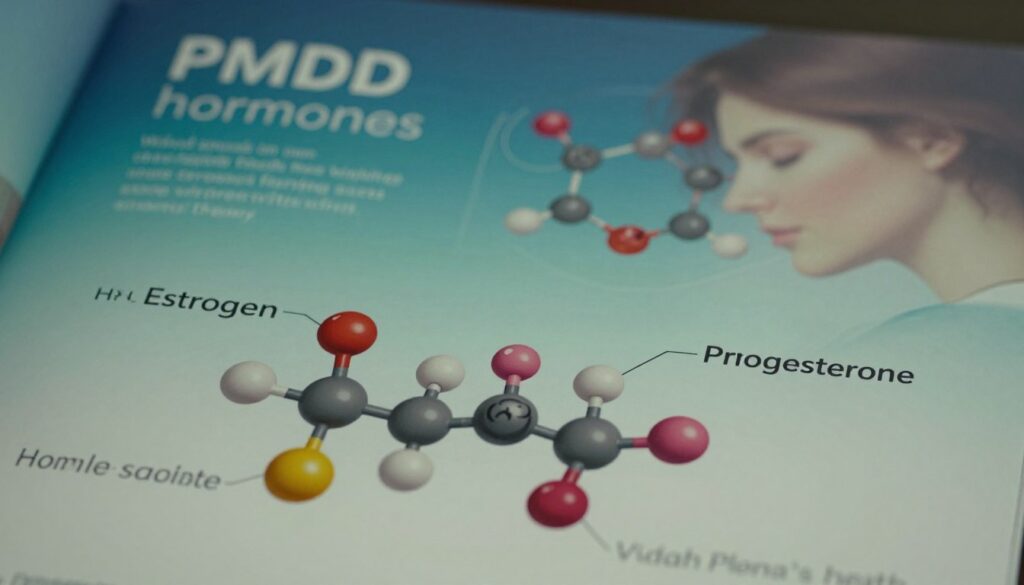
This theory sees PMDD as a brain issue, not just about hormone levels. You might have normal hormone cycles, but your brain reacts differently. Research shows that hormone signals can affect mood-regulating parts of the brain, making you more sensitive during certain times.
Estrogen Fluctuations
Your menstrual cycle has a pattern of estrogen rise and fall. Levels are low at the start, go up, peak at ovulation, and then change in the luteal phase. These changes affect mood and thinking.
Studies link higher estradiol midcycle with better mood and thinking. Many feel better around ovulation but then get irritable or sad as the luteal phase goes on. This shows it’s not just about hormone levels, but how your brain reacts.
Progesterone Sensitivity
Progesterone’s metabolite, allopregnanolone, usually calms the brain. But for some with PMDD, it can cause anxiety or irritability. It’s like calming signals upset you instead of soothing you.
Tests with drugs that change how progesterone works show promise. These drugs aim to stabilize the calming effects of neurosteroids. By changing how ovulation or neurosteroid pathways work, they help many people feel better. This supports the idea of hormonal sensitivity.
| Aspect | Typical Pattern | PMDD Neural Response |
|---|---|---|
| Estrogen (estradiol) | Low → rises → peak at ovulation → variable luteal | Midcycle mood boost; luteal vulnerability when stability drops |
| Progesterone / Allopregnanolone | Rises in luteal phase; metabolized to neuroactive steroids | Calming signal in many; anxiety or dysphoria in sensitive individuals |
| Clinical implications | Symptom timing aligns with luteal phase | Ovulation suppression and neurosteroid modulators can reduce symptoms |
| Relevance to research | Studies measure hormone levels and mood across cycle | pmdd research supports neural sensitivity despite normal pmdd hormones |
Brain Chemistry and PMDD
This section explains how pmdd brain chemistry affects mood changes in the luteal phase. Neurotransmitters and neurosteroids work with hormones to influence emotions and control. This understanding helps explain why some treatments work quickly and why others target new areas.
Serotonin
Research shows that serotonin levels are linked to mood symptoms in PMDD. Selective serotonin reuptake inhibitors (SSRIs) can quickly reduce symptoms. This shows a unique mechanism beyond traditional mood disorders.
Estrogen and progesterone affect serotonin receptors and transporters. A diet lacking tryptophan or vitamins B6 and zinc can lower serotonin levels. This makes symptoms worse.
GABA and Neurosteroids
GABA is key in the brain’s inhibitory system, and neurosteroids modify its activity. Allopregnanolone, a progesterone metabolite, usually calms the brain. But in PMDD, it can cause anxiety and irritability.
Studies show the amygdala is more active and prefrontal areas less active in the luteal phase. This fits a model where GABAergic signaling is off, leading to intense emotions.
New treatments aim to fix neurosteroid pathways. Sepranolone and other agents aim to balance allopregnanolone and GABA-A receptors. They offer new options beyond SSRIs.
| Pathway | Key Effect | Therapeutic Implication |
|---|---|---|
| Serotonergic | Modulates mood, impulse control, irritability | SSRIs often provide rapid symptom relief in PMDD |
| GABAergic | Provides inhibitory tone; affects anxiety levels | Neurosteroid modulators seek to correct paradoxical responses |
| Neurosteroid (allopregnanolone) | Alters GABA-A receptor sensitivity; can calm or provoke | Drugs targeting allopregnanolone signaling are in development |
| Hormone–neurotransmitter interaction | Estrogen/progesterone shift receptor and transporter expression | Combining SSRIs with lifestyle changes may improve outcomes |
For support, eating foods rich in magnesium, omega-3s, tryptophan, zinc, and B6 can help. A guide with recipes and nutrition tips is available here.
Genetic Factors
PMDD often runs in families, leading researchers to explore pmdd genetics. They found that inherited traits might not change hormone levels. Instead, they affect how the brain and body react to hormones.

Genetics play a role in reproductive psychiatry, linking hormones to brain function. Think of genetic risk as one factor among many. It can influence when and how severe symptoms are.
Family History
Studies show that severe mood symptoms often run in families. If a close relative has PMDD, doctors watch you more closely during reproductive changes. A family history can lead to earlier screening and treatment.
While family patterns suggest a genetic link, not everyone with a family history will get PMDD. Environmental factors and personal health also play a role.
Emerging Research
Early studies looked at gene expression in hormone-sensitive cells of people with and without PMDD. They found differences in how cells respond to hormones. This research is leading to new studies on genes and how stress can increase genetic risk.
But, there’s a need for more research, like large-scale genome-wide association studies. Researchers are working hard, but turning genetic findings into practical treatments is a big challenge.
Risk Factors for PMDD
PMDD comes from a mix of biological and psychological factors. Hormone changes and social triggers play a big role. This mix determines who gets severe symptoms and how bad they are.
Genetic predisposition and brain sensitivity to hormones are key risk factors. These factors make you more sensitive to hormone changes in the luteal phase. Perimenopause can also increase symptoms, as shown at PMDD vs perimenopause.
Stress
Stress from early life and ongoing stress can change your brain’s stress response. This makes emotional changes more intense when hormones shift.
Lack of sleep and disrupted circadian rhythms can also worsen symptoms. Ongoing stress or minority stress can increase your stress response, making symptoms worse.
Mental Health Conditions
Having mood or anxiety disorders, bipolar disorder, PTSD, or autism can make PMDD symptoms worse. These conditions can make it hard to track symptoms, so keeping a daily journal is key.
Managing PMDD with mental health issues requires a special approach. Treatment should be trauma-informed and include suicide-risk monitoring, given the severity of symptoms.
| Risk Domain | Mechanism | Clinical Implication |
|---|---|---|
| Hormonal sensitivity | Brain reacts abnormally to normal estrogen/progesterone changes | Cycle-linked mood shifts; consider targeted hormonal or SSRI therapies |
| Genetic factors | Variants in estrogen receptor and related genes alter risk | Family history increases monitoring and early intervention |
| Stress and trauma | HPA/HPG dysregulation heightens emotional reactivity | Address stress, sleep, and coping skills alongside PMDD care |
| Mental health comorbidity | Overlap with depression, bipolar, anxiety, PTSD, autism traits | Use cycle charting to distinguish PMDD from primary psychiatric disorders |
| Perimenopausal volatility | Erratic estrogen surges and progesterone decline | May worsen PMDD-like symptoms; reassess during midlife transitions |
Cause and Risk Factor Comparison Table

This comparison helps you quickly scan key mechanisms and common risk factors tied to PMDD. Use it to guide reading, clinical discussions, or care planning.
| Mechanism / Risk Factor | What the Evidence Shows | How It Affects Symptoms | Clinical Implications / Treatment Targets |
|---|---|---|---|
| Hormonal sensitivity (estrogen, progesterone, allopregnanolone) | Normal hormone levels but an abnormal neural response in the luteal phase. Studies show sensitivity to neurosteroid changes, not hormone excess. | Triggers mood swings, irritability, and physical symptoms in the premenstrual window. Symptoms tie to hormone shifts. | Strategies include hormonal suppression, ovulation suppression, and modulators of progesterone signaling. Monitor treatment response across cycles. |
| Serotonergic dysfunction | Studies link serotonin signaling to PMDD symptoms. Imaging and pharmacologic studies support this. SSRIs quickly change symptoms in pmdd research. | Worsened mood, anxiety, and affective lability; some people respond quickly to SSRI dosing in the luteal phase. | SSRI therapy is a first-line option. Choices between continuous or luteal-phase dosing depend on symptom pattern and tolerance. |
| GABA / neurosteroid dysregulation | Allopregnanolone has paradoxical, dose-dependent effects on GABA receptors in vulnerable individuals. Trials of neurosteroid modulators are emerging in pmdd research. | Heightened anxiety, mood instability, and sleep disruption when neurosteroid signaling shifts occur. | Investigational drugs like sepranolone and GABA-targeted approaches aim to normalize neurosteroid effects. Consider GABAergic safety in polypharmacy. |
| Trauma and HPA-axis dysregulation | History of trauma can sensitize stress responses and the hypothalamic–pituitary–adrenal axis. Evidence ties trauma to amplified emotional reactivity in reproductive mood conditions. | Greater intensity of emotional and somatic symptoms, heightened startle, and disrupted coping during luteal-phase changes. | Trauma-informed psychotherapy, stress reduction, heart rate variability training, and sleep stabilization are key targets for care plans. |
| Sensory processing sensitivity / interoceptive differences | Some people show heightened sensitivity to bodily signals and sensory input. Small studies link these traits to stronger symptom perception in PMDD. | Amplifies awareness of mood swings, pain, and physical tension, making symptoms feel more severe and harder to ignore. | Interventions include paced exposure, sensory integration strategies, and occupational therapy techniques to reduce reactivity. |
| Genetics / family history | Family aggregation and twin studies indicate heritable components that influence hormonal sensitivity and neurotransmitter pathways. | Elevated lifetime risk for PMDD symptoms when family history is present; onset may occur earlier in life. | Early monitoring, personalized counseling, and proactive treatment planning can reduce delay to diagnosis and improve outcomes. |
| Circadian / sleep disruption | Altered melatonin rhythms and sleep architecture correlate with mood changes in the luteal phase. Sleep disruption worsens mood regulation. | Increased irritability, poor concentration, and fatigue; sleep loss magnifies other symptom domains. | Sleep hygiene, timed light therapy, and melatonin trials are practical measures to restore circadian alignment and reduce symptom burden. |
The table supports quick pmdd comparison across biological and psychosocial drivers. You can use these contrasts to weigh diagnostic clues and prioritize treatment targets that match your symptom pattern and risk profile.
What Research Doesn't Know Yet
There are many questions about what causes PMDD. Current studies in reproductive psychiatry have found some answers. But, they don’t fully understand how cells and brain circuits work together.
Researchers have found some clues. They think trauma, changes in how we feel inside, and brain inflammation might affect hormones. But, they don’t know how these things work together yet.
PMDD is different for everyone. Finding the right treatment is hard because there are no clear signs to guide doctors. This makes it tough to find what works best for each person.
Genetics might hold some answers, but more research is needed. Scientists have found some genes linked to PMDD, but they need more proof. They also want to study more diverse groups of people.
There’s a lack of long-term studies. Scientists need to follow people over time to understand PMDD better. They also want to include more people from different backgrounds in their research.
New treatments are promising, but more evidence is needed. Drugs like sepranolone and progesterone-receptor modulators seem to help in studies. But, scientists need to know more about their safety and how well they work in real life.
Getting a diagnosis can be hard. The rules for diagnosing PMDD are different in different places. This can make it hard to get a correct diagnosis, which is important for treatment.
Scientists have some ideas for what to study next. They want to look at biomarkers, study people with different experiences, and see how treatments work over time. They also want to make sure their studies include a wide range of people.
Here’s a quick summary of what scientists don’t know yet and what they want to study:
| Area | Known Limits | Research Priority |
|---|---|---|
| Mechanisms | Unclear interaction of neuroinflammation, HPA axis, and hormonal sensitivity | Cellular and circuit-level studies integrating trauma and sensory processing |
| Heterogeneity | No reliable subtyping biomarkers for treatment prediction | Biomarker-driven trials to match therapies to patient profiles |
| Genetics | Limited large-scale, replicated findings | Diverse genome-wide studies with functional follow-up |
| Population Studies | Few longitudinal cohorts covering diverse demographics | Prospective, multi-site cohorts assessing environmental modifiers |
| Treatment Evidence | Short-term trials, unclear long-term safety and real-world use | Comparative effectiveness studies and long-term safety monitoring |
| Diagnosis & Access | Inconsistent classification and underdiagnosis across systems | Standardized diagnostic training and studies on care disparities |
| Implementation | Limited translation of findings into clinical practice | Pragmatic trials and guidelines that address pmdd research gaps |
When to Seek Medical Help

If your mood, irritability, anxiety, or rage get worse in the luteal phase, it’s time to see a doctor. These symptoms should be affecting your work, school, or relationships. If you notice these problems every month, it’s a good idea to get checked out.
Before a doctor can say you have PMDD, they might ask you to track your symptoms for two months. Use a daily log or an app to keep track of how you feel. This will help your doctor understand your situation better.
If you’re feeling suicidal, have a plan, or are experiencing severe symptoms, get help right away. In the U.S., call 988 or your local emergency number. Don’t wait for a regular appointment if you’re in danger.
For other concerns, make an appointment with a doctor or a specialist in reproductive psychiatry. They will look at your medical history, sleep patterns, and what you’re taking. They might also do tests to check for other health issues.
Before your visit, gather your symptom diary, a list of medications, and any family history of mental health issues. This information will help your doctor figure out what’s going on and how to treat it.
If you’re not sure how to track your symptoms or when to see a specialist, try this PMDD self-care quiz and symptom diary. It can help you keep track and plan your next steps.
If someone you care about is showing signs of danger, encourage them to keep a symptom diary and seek medical help. Talk to them about getting help at work or school while they’re being evaluated.
Evidence Summary
Research shows PMDD is linked to brain sensitivity to hormone changes. Studies point to allopregnanolone and GABA as key players. This explains why SSRIs often help quickly.
Other factors like trauma and genetics also play a role. These elements help explain why symptoms vary from person to person.
Understanding PMDD’s causes helps guide treatment. Doctors track symptoms and use SSRIs, hormonal treatments, and new drugs. These options are backed by research in reproductive psychiatry.
Each person’s case is unique. Clinicians must tailor treatments carefully. This approach is supported by various studies.
When talking to your doctor, bring up tracking symptoms and treatment options. They might suggest therapy, sleep help, or stress reduction. This approach combines current research with personalized care.
Final Thoughts
PMDD is real and can be very severe. It’s a condition that affects women’s mental health. Research is helping us understand it better.
What causes PMDD is complex. But studies show it’s linked to hormones, brain chemistry, and genes. These factors can be managed with the right treatment.
To manage PMDD, start by tracking your symptoms. Use a daily chart to note your mood, sleep, and physical signs. This helps your doctor understand your condition better.
Talk to your doctor about your family and past experiences. They can suggest treatments like medicines or lifestyle changes. These can help improve your symptoms.
If PMDD is affecting your life, see a doctor right away. They can help with therapy or other treatments. New research offers hope for better treatments.
This information was checked by Dr. Helloyze Ferreira Ancelmo (CRM-GO 31293). For more help, look for trusted resources on women’s mental health. They can guide you and your doctor in finding the best treatment.
FAQ
What is the most current evidence-based answer to “what causes PMDD”?
PMDD is thought to be caused by how the brain reacts to hormone changes during the menstrual cycle. This includes changes in progesterone and its effects on the brain. It also involves changes in neurotransmitters, stress response, and genetics. Hormone levels themselves are usually normal; it’s how the brain responds to them that matters.
How common is PMDD and how is it different from PMS?
PMDD affects about 3–8% of women in the U.S. It’s more severe than PMS, causing significant emotional and physical symptoms. The DSM-5 classifies PMDD as a depressive disorder, requiring daily symptom tracking for diagnosis.
If blood hormone levels are usually normal, how do hormones cause PMDD symptoms?
Hormonal sensitivity is the leading theory. Normal hormone changes produce neuroactive metabolites that affect the brain. In PMDD, the brain’s response to these metabolites is abnormal, leading to symptoms like anxiety and mood swings.
What does neuroimaging tell us about PMDD brain chemistry?
Neuroimaging shows changes in brain circuits during the menstrual cycle. These changes suggest reduced control over emotions and altered processing of internal sensations. This aligns with dysfunction in GABA and serotonin pathways.
Why do SSRIs work quickly for PMDD?
SSRIs are effective for PMDD because they quickly improve mood. This is due to their effect on serotonin and interaction with neurosteroids and GABA pathways. They may also stabilize neural responses to hormonal changes.
What role does allopregnanolone play in PMDD?
Allopregnanolone is a hormone metabolite that usually calms the brain. In PMDD, it can paradoxically increase anxiety and irritability. It’s a key focus for new treatments like sepranolone.
Are genetic factors important in PMDD?
Yes, genetics play a role in PMDD. Family history and studies suggest a genetic component. Molecular studies show differences in gene expression and cellular responses in PMDD, but more research is needed.
How do trauma and stress affect PMDD risk and severity?
Trauma and stress can increase PMDD symptoms. They affect the brain’s emotional and sensory circuits. Chronic stress and poor coping can worsen symptoms, making it important to address these factors clinically.
Could sensory processing sensitivity or interoceptive differences cause PMDD?
Sensory sensitivity and altered interoception can worsen PMDD symptoms. They interact with hormonal and stress changes to increase symptoms. Occupational therapy and interoceptive training can help manage these issues.
What other conditions can be confused with PMDD?
PMDD can be confused with depression, anxiety, and other conditions. It’s important to track symptoms over two cycles to distinguish PMDD from these conditions.
What are the practical diagnostic steps for PMDD?
Diagnosing PMDD involves tracking symptoms daily for two cycles. It’s important to document symptoms in the luteal phase and assess functional impairment. Reviewing trauma history and sleep patterns is also key.
What treatments target the underlying mechanisms of PMDD?
Treatments aim to reduce brain sensitivity to hormones and stabilize neurotransmitters. SSRIs are often the first choice. Hormonal treatments and new therapies like sepranolone are also options. Nonpharmacologic care, such as therapy and stress reduction, is important too.
When should you seek medical attention for suspected PMDD?
Seek medical attention for severe mood symptoms that occur in the luteal phase. If symptoms are severe or you’re experiencing suicidal thoughts, get urgent care. Bring a symptom diary and any relevant information to appointments.
What are the biggest gaps in PMDD research right now?
Research gaps include understanding the role of trauma and interoception in PMDD. There’s a need for biomarkers and more genetic studies. Long-term safety data for new treatments is also lacking.
Are there simple self-care steps that may help while you seek diagnosis and treatment?
Yes, keep a symptom chart and prioritize sleep and stress reduction. Avoid substance use and consider therapy for trauma. These steps can help manage symptoms and prepare for treatment.
Where can you find more information and support about PMDD?
Consult experienced clinicians for assessment and treatment. Look for reputable resources on PMDD diagnosis, treatment, and nutrition. If in crisis, seek immediate help.