

Do you find yourself waking up at 3 AM drenched in sweat or feeling suddenly irritable for no reason? You are not alone, as many women face these confusing and frustrating changes. These early symptoms often signal the start of a natural transition that occurs long before menopause officially begins.
You are likely entering perimenopause, a phase that can last several years and impact your daily life. Finding an effective perimenopause treatment can help you regain control and navigate this journey with confidence. This guide, reviewed by Dr. Helloyze Ferreira Ancelmo, provides evidence-based paths to wellness based on the latest clinical research.
Research confirms that hormonal shifts impact your overall health and emotional state significantly. Understanding the link between menopause and mental health is crucial for managing your long-term menopause journey. Seeking relief for your symptoms is a proactive step that modern women are encouraged to take for their well-being.
Key Takeaways
- Perimenopause is a natural life transition with various effective medical solutions.
- Hormonal fluctuations can significantly affect both physical comfort and emotional stability.
- Evidence-based options range from hormone replacement therapy to strategic lifestyle modifications.
- Customizing your care plan is essential for achieving the most effective symptom relief.
- Education empowers you to have more productive conversations with your healthcare provider.
- Managing your transition early supports long-term vitality and overall quality of life.
Quick Answer: What Works for Perimenopause Treatment?
Navigating the diverse treatment landscape for perimenopause is easier when you know which tools work best. You might be encouraged to learn that hormone therapy is often the gold standard for addressing multiple symptoms at once. This treatment replaces declining estrogen to help you feel like yourself again.
Low-dose hormonal birth control is another choice if you are still in your cycling years. You also have access to non-hormonal meds like fezolinetant for hot flashes. To understand your body better, try a pmdd vs perimenopause comparison to see how your cycle affects your mood.
Your healthcare provider can help you find the right combination of options to ease symptoms. Combine medical care with lifestyle shifts like exercise and stress management for the best results during perimenopause.
“The goal of care is to tailor every approach to your specific health history and lifestyle needs.”
| Category | Common Examples | Best For |
|---|---|---|
| Hormonal | MHT, Birth Control | Hot flashes, mood, periods |
| Non-Hormonal | Fezolinetant, SSRIs | Targeted hot flash relief |
| Lifestyle | Diet, Exercise, Sleep | General wellness support |
Key Takeaways
As you explore various perimenopause treatment paths, keeping these primary insights in mind will guide your healthcare decisions. You should know that this transition often starts in your 40s and can last nearly a decade. About 75% of women notice symptoms that interfere with daily life, but most respond exceptionally well to medical care.

“Personalized care is the cornerstone of managing the hormonal shift, ensuring every person feels supported and heard during this transition.”
Your options include hormone therapy, which remains the gold standard for managing night sweats. If hormones are not right for your health history, non-hormonal drugs like fezolinetant offer effective relief. Addressing these symptoms early is vital because long-term estrogen decline impacts your bones and heart during menopause.
| Category | Essential Fact for You |
|---|---|
| Primary Care | Hormone therapy is highly effective for managing moderate to severe hot flashes. |
| Safety First | Use the lowest effective dose for the shortest time per current FDA guidelines. |
| Lifestyle | Success often requires combining medical care with exercise and improved nutrition. |
| Future Health | Managing perimenopause early protects your body against future menopause risks like osteoporosis. |
Understanding Perimenopause: Diagnosis and Stages
You might feel a bit overwhelmed by body changes, but learning how doctors define the path to menopause can offer you peace of mind. This phase often starts when you are in your 40s, typically eight to ten years before you reach menopause. It is during the years menopause is approaching that your body begins its natural shift.
During this time, your ovaries gradually slow down their production of estrogen. You will notice that your menstrual cycle begins to vary as these hormones fluctuate. These changes are often the first signal that your body is entering a new chapter.
Tracking your cycle can help you and your provider understand exactly what is happening inside. By documenting your patterns, you take an active role in managing your health. This self-awareness helps you feel more empowered when discussing your perimenopause journey with a professional.

How Your Doctor Diagnoses Perimenopause
Your doctor can often confirm you are in perimenopause by looking at your age and symptom patterns. They will ask about your menstrual cycle and if you have missed a period recently. In most cases, expensive testing is not required to confirm the transition.
However, if your symptoms are unclear, your provider might order a blood test to check your levels of follicle-stimulating hormone (FSH). Shifts in these FSH levels show that your ovaries are responding to the natural hormonal shift. A blood test can also rule out thyroid issues that mimic menopause symptoms.
The Three Stages of the Menopause Transition
The journey is generally divided into three specific parts that every woman will experience. Perimenopause is the symptomatic stage where you notice the most changes in how you feel. It is the time when you are actively transitioning toward the end of your reproductive years.
You officially reach menopause once you have gone 12 consecutive months without a period. This usually happens around age 52, marking the end of your reproductive years. It is a single point in time that confirms the transition is complete.
The final stage is postmenopause, which lasts for the remaining years menopause has concluded. During this time, your health requires continued focus because low estrogen increases the risk for osteoporosis. Staying informed helps you stay healthy and vibrant throughout every phase of your life.
| Stage | Primary Characteristics | Menstrual Status |
|---|---|---|
| Perimenopause | Fluctuating estrogen and hot flashes | Irregular or skipping months |
| Menopause | End of reproductive capability | No bleeding for 12 months |
| Postmenopause | Lowered risk of acute symptoms | Permanent cessation |
Menopausal Hormone Therapy: The Most Effective Perimenopause Treatment

Menopausal hormone therapy stands as a gold standard for managing the complex physical shifts you experience during the transition. During this time, your ovaries make very low levels of the hormones estrogen and progesterone. If your symptoms are severe enough to disrupt your daily life, this medical approach provides a way to feel like yourself again.
Hormone replacement therapy works by replacing some of the vital chemicals your body no longer produces in high levels. You can take confidence in knowing that hormone replacement is the most effective treatment for severe hot flashes and night sweats. It also targets vaginal dryness that can make your routine uncomfortable.
Most women find this therapy to be an option up to age 59. However, experts usually recommend starting within 10 years of reaching menopause. You should work closely with your provider to find the right balance for your unique biology.
The FDA suggests taking estrogen or estrogen progesterone combinations at the lowest dose that works for you. You should also aim for the shortest time needed to manage your transition. This careful approach ensures you get the benefits of hormone therapy while prioritizing your long-term safety.
Using this medicine can help you regain control over your schedule. When your sleep is no longer interrupted by heat, your energy naturally rises. This makes it easier to focus on your career, family, and hobbies.
Estrogen-Only Therapy vs. Estrogen-Progesterone Combination
Your specific needs depend on whether you still have your uterus. You’ll receive estrogen-only therapy if you’ve had a hysterectomy. If you have not, you will need an estrogen progesterone combination. This mix is essential because it protects against endometrial cancer. Your provider will help you choose the best hormone replacement path to keep you healthy and comfortable throughout the menopause transition.
Forms of Hormone Therapy: Pills, Patches, Gels, and More
You can access hormone replacement therapy in several convenient ways. Options include daily pills, twice-weekly skin patches, or topical gels. Some women prefer vaginal rings or intrauterine devices. Many choose patches or gels because they deliver estrogen through the skin. This transdermal method may reduce certain risks because it avoids the first-pass liver metabolism often associated with oral tablets. Your hormone replacement plan should fit your lifestyle.
Benefits and Effectiveness of MHT
The relief you get from replacement therapy can be truly dramatic. You may see a significant drop in hot flash frequency and severity very quickly. Better sleep quality and mood stability often follow. Plus, hormone therapy is excellent for restoring vaginal health. This makes hormone replacement therapy a top choice for total comfort.
Bioidentical Hormone Therapy: What You Need to Know
You may hear about “bioidentical” hormones being safer than standard menopause treatments. However, the FDA notes that compounded products lack the same regulatory oversight as approved drugs. Your safest choice is often FDA-approved hormone products that are chemically identical to what your body naturally makes. These offer consistent quality for your therapy.
Low-Dose Hormonal Birth Control for Perimenopause Symptoms
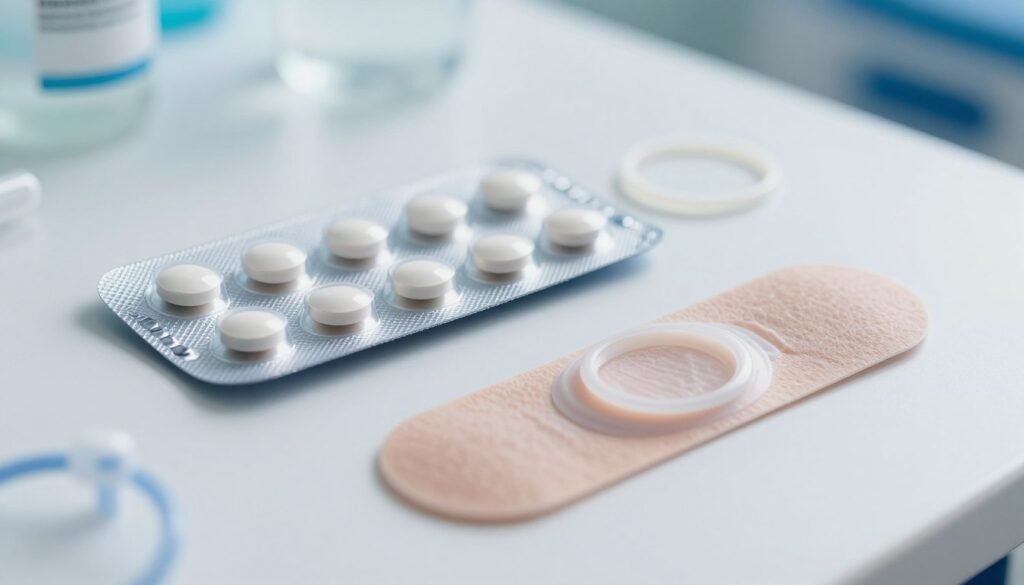
If you are navigating the unpredictable waves of perimenopause, low-dose hormonal birth control might be the versatile tool you need. This control method serves a dual purpose by managing uncomfortable symptoms while providing reliable contraception. Since you can still become pregnant even if you miss monthly cycles, staying on birth control is a smart strategy.
You should continue this routine until one full year after your final menopause transition to ensure total safety. Your birth control pills or patches offer more consistent hormones than standard therapy options. This steady flow effectively regulates your menstrual cycle and helps control heavy or irregular periods.
These birth control options also reduce hot flashes and vaginal dryness significantly. However, you must not use this combination control if you smoke. Smoking while taking these medications increases your risk for high blood pressure and dangerous blood clots.
Your healthcare provider can help you control these risks by reviewing your full medical history. Eventually, you may transition from birth control to menopause hormone therapy when your periods stop permanently. Using birth control remains a preferred choice for managing early perimenopause symptoms and unpredictable periods.
Non-Hormonal Prescription Medications
You have access to powerful, science-backed alternatives that target specific issues like temperature regulation and physical comfort without hormonal intervention. These non-hormonal medicines are approved by the FDA and offer a safe path when hormone therapy isn’t right for you. Your healthcare provider can help you weigh the risks and benefits of these effective options.

While hormone therapy is a common choice, many people prefer non-hormonal routes due to medical history or personal preference. These medications focus on specific symptoms rather than replacing systemic hormones. They allow you to manage your menopause transition with confidence and ease.
Fezolinetant and SSRIs for Hot Flashes
Your hot flashes and night sweats can be effectively managed with fezolinetant, a newer medication that works on your brain’s temperature center. You should discuss with your provider that it requires liver function monitoring during the first few months. It is a highly targeted treatment for those seeking relief without estrogen.
Low-dose SSRIs like paroxetine are also FDA-approved to reduce the intensity of sudden flashes. These medications work on neurotransmitters to help stabilize your body’s response to heat. You can benefit from these even if you do not have depression, as they significantly decrease the frequency of flashes and persistent night sweats.
Ospemifene and Prasterone for Vaginal Dryness and Pain
Your vaginal dryness and painful intercourse can be addressed with ospemifene. This oral medication acts like estrogen specifically in vaginal tissues without the same systemic risks. It helps restore moisture and comfort, making it an excellent non-hormonal therapy for physical intimacy.
If you prefer a localized option, prasterone is a daily vaginal insert that helps resolve dryness and thinning tissues. It uses DHEA to improve local health, which reduces pain during sex. These options ensure that the physical symptoms of menopause do not interfere with your daily comfort or your relationships.
| Medication | Primary Target | Method of Use |
|---|---|---|
| Fezolinetant | Hot flashes | Daily Oral Pill |
| Paroxetine | Frequent flashes | Daily Oral Pill |
| Ospemifene | Vaginal dryness | Daily Oral Pill |
| Prasterone | Pain and dryness | Daily Vaginal Insert |
Topical Vaginal Estrogen and Over-the-Counter Options
Managing localized perimenopause symptoms is often easier with targeted treatments like vaginal estrogen cream. As your ovaries slow down their hormone production, you might notice changes in your intimate health. These changes often lead to persistent vaginal dryness that can feel uncomfortable during the day or keep you awake at night. Unlike pills that travel through your whole system, topical options deliver relief exactly where your tissues need it most.
Choosing a local approach allows you to focus on specific discomfort without affecting your entire system. Many people find it helpful to understand their changing cycles, especially when learning about pmdd and perimenopause-how to tell the to manage their overall health. These localized treatments offer a way to maintain your quality of life while keeping hormone levels in the rest of your system stable. You can use these options to address irritation and make physical activity more enjoyable again.
Your healthcare provider can help you decide if a prescription or an over-the-counter choice fits your current needs. These products focus on restoring moisture and elasticity to the area. By addressing these symptoms early, you can prevent further irritation and maintain better pelvic health throughout your transition.
Low-Dose Vaginal Estrogen: Creams, Rings, and Tablets
Your low-dose estrogen options include creams you apply with an applicator, small tablets, or flexible rings. This therapy works locally with very little estrogen entering your bloodstream or affecting your whole body. Since it stays concentrated in one area, it will not stop night sweats or hot flashes.
However, this targeted therapy remains incredibly effective for women facing tissue changes. You can use these products long-term with minimal risk compared to traditional oral hormones. Most people find that regular use restores comfort and significantly reduces pain during intimacy.
Vaginal Moisturizers and Lubricants
You can start with over-the-counter moisturizers to fight dryness and keep your tissues hydrated throughout the week. Use a moisturizer every few days to maintain comfort during your daily activities. These products help the tissue hold onto moisture, which improves overall health and flexibility.
For immediate relief from dryness during sex, water-based or silicone lubricants are your best friend. They reduce friction immediately and make vaginal dryness a thing of the past during intimate moments. Combining a regular moisturizer with a lubricant during intercourse provides the most comprehensive comfort for your intimate health.
Lifestyle Interventions for Symptom Management
You can significantly improve your quality of life by adopting evidence-based habits that support your body. Simple shifts in your daily routine can help you manage perimenopause symptoms without relying only on medicine. Following a daily plan that works helps you regain a sense of control during this time.
These lifestyle choices empower you to protect your long-term health while reducing the severity of daily symptoms. When you view these changes as empowering tools, you feel more capable of handling the transition. Small steps lead to big results for your well-being.
Exercise and Physical Activity Recommendations
Regular movement is a cornerstone for women facing hormonal changes. Aim for at least 150 minutes of moderate activity each week to manage your weight and boost your mood. Combining cardiovascular exercise with strength training helps you keep muscle mass and supports your menopause journey.
Nutrition and Dietary Strategies for Hormone Balance
What you eat directly impacts how you feel throughout your life. A diet full of whole foods and lean protein helps stabilize your body and maintain a healthy weight. You can support your health by focusing on calcium-rich foods and plenty of vegetables.
Avoiding personal triggers like spicy foods, caffeine, and alcohol can reduce the frequency of sudden flashes. These simple dietary adjustments keep your energy steady and your weight in check. Consistency is your best friend when it comes to eating for hormone balance.
Sleep Optimization Techniques
Better rest is possible when you optimize your environment to fight night sweats. Keep your bedroom cool, ideally around 65°F, and use a fan to stay comfortable. These steps help prevent hot flashes from waking you up in the middle of the night.
Consistent routines and less screen time before bed will further improve your sleep. When you prioritize rest, you experience fewer mood symptoms the next day. Creating a dark, quiet sanctuary is essential for your recovery and peace of mind.
| Strategy | Key Action | Main Benefit |
|---|---|---|
| Exercise | 150 min + Weights | Better mood and changes in weight |
| Nutrition | Avoid triggers | Fewer flashes and hot flashes |
| Environment | Cool room (65°F) | Reduction in night sweats |
| Focus | Healthy Habits | Supports women during menopause |
Stress Management and Mental Health Support
While physical symptoms often get the most attention, your mental health during perimenopause is just as vital. You deserve to know that mood changes, anxiety, and irritability are common experiences for many women. These shifts are not all in your head; they have a biological basis.
Your body undergoes hormonal fluctuations that directly impact brain neurotransmitters like serotonin and GABA. This explains why you may experience emotional changes even without a history of mental struggles. Sometimes, these shifts can worsen women’s mental health issues like premenstrual dysphoric disorder (PMDD).
Prioritizing self-care activities that bring you joy is essential for staying balanced. Whether it is time in nature or creative hobbies, these moments help you recharge. Consistent emotional care ensures you can navigate this transition with more resilience and grace.
Mind-Body Practices: Yoga, Meditation, and Relaxation
Mind-body practices offer a powerful way to reduce stress hormones and promote emotional balance. Engaging in yoga, tai chi, or mindfulness meditation can improve how you manage perimenopause symptoms. These activities calm the nervous system and help you regulate your emotions more effectively.

Research shows that regular meditation reduces anxiety and improves sleep quality. Try to find joy in relaxing activities to boost your spirit daily. A consistent practice helps stabilize your mood and significantly improves your overall quality of life.
Recognizing the Need for Clinical Guidance
Knowing when to ask for professional help is a sign of strength and proactive self-management. You should seek a health provider if you feel persistent sadness or a loss of interest in activities. Symptoms like severe anxiety or thoughts of self-harm require immediate attention from a specialist.
“Taking care of your internal well-being is not a luxury; it is the foundation for navigating significant life transitions with clarity.”
A provider can offer therapy, medication, or a combination of both to help women thrive. Coordinated support ensures that your perimenopause journey is managed comprehensively. Remember that your mood and emotional stability are worth every effort.
| Support Approach | Practice Examples | Core Benefit |
| :— | :— | :— |
| Holistic | Yoga, Tai Chi, Meditation | Lowers cortisol and stress |
| Lifestyle | Exercise, Better Sleep | Stabilizes daily energy |
| Clinical | Therapy, Counseling | Provides targeted coping tools |
| Medical | SSRIs, Hormone Therapy | Balances brain chemistry |
Supplements and Herbal Remedies: Evidence-Based Review

Exploring the world of supplements helps you take a proactive role in your hormone health journey. You might look for natural ways to balance your body and manage symptoms effectively.
It is important to keep your expectations realistic during this time. Science shows that herbal remedies often have mixed results in clinical trials. Since the FDA does not regulate these like medicines, you should always talk to your doctor first.
Black Cohosh, Red Clover, and Soy Isoflavones
You may consider perimenopause supplements like black cohosh to target hot flashes. Some women find modest relief from these herbs, while others see no change at all.
Red clover and soy isoflavones act like plant-based hormones. However, their impact is usually much weaker than standard medical therapy.
Always monitor your liver health when using these botanicals. Some herbal choices can interfere with other medications you take and make them less effective.
Essential Vitamins: Calcium, Vitamin D, and B Vitamins
Maintaining healthy nutrient levels is a smart way to support your perimenopause journey. You need calcium and vitamin D for PMDD and bone support to prevent loss as estrogen levels decline.
B-complex vitamins also help women maintain energy and steady moods during menopause. These essential vitamins provide a strong foundation for your overall health.
They help your nervous system stay balanced as your menopause symptoms evolve over time. Choosing strong, evidence-based nutrients ensures you give your body the best possible support.
Treatment Comparison: Benefits, Risks, and Effectiveness
Making the right choice for your body means looking at the data behind each perimenopause treatment. You make better decisions when you can directly compare the benefits and effectiveness of different options side by side. Your hormone therapy provides the most comprehensive relief, reducing hot flashes by 75-90%.
In contrast, non-hormonal medications typically reduce symptoms by 40-60%. You should weigh that menopausal hormone therapy carries small increased risks for blood clots and stroke. These levels vary based on your age and the time since you entered menopause.
“The goal of menopause care is not just to survive the transition, but to thrive with a personalized plan that honors your unique medical history.”
Your provider can help you determine if estrogen is safe for your specific health profile. Non-hormonal prescription medicines offer good alternatives with a different risk profile. You can also expect lifestyle changes to provide a modest 20-40% improvement without medication risk.
Your care plan should also account for cognitive changes. Some women find that managing ADHD and menopause symptoms together requires specialized support. Always discuss your family history with your provider to find the right hormone balance and estrogen delivery method.
Your treatment choice often depends on how severe your symptoms feel. While mild symptoms respond to lifestyle shifts, severe cases usually need a prescription therapy for relief. Use the table below to compare these methods at a glance.
| Treatment Type | Effectiveness | Primary Benefit | Main Consideration |
|---|---|---|---|
| Hormone Therapy | 75-90% | Comprehensive relief | Blood clot risk |
| Non-Hormonal | 40-60% | Hormone-free | Specific side effects |
| Lifestyle Changes | 20-40% | Overall wellness | Requires more time |
Who Should Not Use Hormone Therapy: Risks and Contraindications
Deciding on hormone therapy requires a careful look at your health history to ensure your safety. While many women find relief through these treatments, specific medical situations might make them unsuitable for you.
It is vital to partner with a knowledgeable provider to evaluate your unique health profile. This step ensures that your care plan remains both effective and safe while managing symptoms.
Medical Conditions That Require Caution
You should be cautious if you have a history of heart disease or high cholesterol. High levels of triglycerides, which are fats in your blood, can also complicate treatment options significantly.
Hormone therapy might be unsafe if you have experienced blood clots, a stroke, or liver disease. Additionally, a personal or family history of breast cancer often means that estrogen treatments are not the best choice for you.
The following table summarizes conditions that require a detailed discussion with your medical team:
| Condition | Potential Concern | Recommendation |
|---|---|---|
| History of Stroke | Increased clotting risk | Avoid systemic hormones |
| Liver Disease | Metabolism issues | Seek alternatives |
| Breast Cancer | Hormone sensitivity | Strict medical review |
Understanding Your Personal Risk Factors
Your age and the time since you started menopause play a huge role in your total risk level. For example, the risk of stroke is generally lower for those who are between 50 and 59.
Starting treatment more than 10 years after menopause can increase heart disease concerns. Your provider will help you weigh every risk to find the right path for your hormone therapy safety and overall care.
Regular health assessments are essential to ensure your treatment plan evolves alongside your changing health needs.
Always remember that your health journey is unique. Proactive communication with your doctor helps you manage transitions with confidence and peace of mind.
When to Seek Medical Help
Knowing when to ask for help helps you manage this stage with confidence. You should see your provider if perimenopause symptoms disrupt your daily life, work, or sleep quality.
Professional care helps you navigate these physical changes smoothly. It is also good to learn about menopause symptoms that may surprise you during this time.
“Proactive health management is essential for every woman during the transition to menopause.”
Many women need support for their health. You need immediate help if you experience bleeding after twelve months without a period.
Your provider offers regular care to keep your treatment plan effective. They can also help if mood changes or anxiety make your daily functioning difficult.
Ongoing care makes your perimenopause journey safer and more comfortable. Always report new issues like severe headaches or chest pain while on therapy.
| Trigger for Concern | Recommended Action | Goal of Consultation |
|---|---|---|
| Disruptive symptoms | Schedule an appointment | Improve daily quality of life |
| Post-menopause bleeding | Seek immediate attention | Rule out serious conditions |
| Heavy or irregular bleeding | Medical evaluation | Assess hormone levels and safety |
| New treatment side effects | Contact provider | Adjust dosage or medication |
Conclusion
You have the power to transform your transition into menopause by choosing the right support. Evidence-based perimenopause treatment helps women find relief from disruptive symptoms. You deserve to feel your best during this significant change.
Don’t suffer in silence. Discuss hormone therapy with your doctor to improve your life and health. Taking control of your perimenopause journey empowers women to manage symptoms effectively. You are not alone in this transition.
Moving toward menopause shouldn’t be a struggle. Start your perimenopause plan today for a better menopause tomorrow.
FAQ
How can I manage frequent hot flashes and night sweats?
You can find relief from sudden flashes by using hormone replacement therapy. Options like Estrace or Premarin help stabilize your estrogen levels. This therapy often cools the night heat that disrupts your life and mood.
Is hormone replacement safe for my heart health?
Many women find that starting hormone replacement early reduces the long-term risk of heart disease. Your care provider will look at your health history and blood pressure first. It is often safest to start before you reach menopause to protect your long-term health.
What are the best options for vaginal dryness?
Using localized estrogen like Vagifem or Estring helps fix dryness. This care works directly on the vaginal tissue without changing hormone levels in your whole body. It provides great comfort as your ovaries produce less over the years.
Can birth control pills help regulate my period?
Yes, low-dose birth control such as Lo Loestrin Fe can manage an uneven menstrual cycle. It balances hormones when your cycle becomes unpredictable. This control helps with heavy periods and keeps your hormone levels steady throughout the month.
Why do I experience weight gain and mood changes now?
Shifting progesterone and estrogen progesterone levels during these years can affect your weight. As you age, your body changes how it stores fat. Discussing these symptoms with a doctor helps you find the right options for your health during this time.
How long does the transition into menopause typically last?
This time can last for several years before your final period. During this life stage, your ovaries slowly stop releasing eggs. Finding a good perimenopause treatment plan early can make these years menopause easier to handle.