

Waking at night drenched from hot flashes can feel alarming and unfair. You might wonder if this is just stress or the start of a major life change. You are not alone, and there is a clear, evidence-based explanation.
Perimenopause is the natural transition before menopause when sex hormone levels fall. Research shows this phase can begin in your early- to mid-40s and may unfold over several years. The medical community lists over 30 distinct symptoms that can affect daily life and long-term health.
This short guide gives a quick answer to what is happening, why you may feel different, and what current studies say about common changes like hot flashes, sleep shifts, mood and memory effects. You will learn practical next steps and when to discuss options with your provider.
Reviewed by Dr. Helloyze Ferreira Ancelmo (CRM-GO 31293). This resource aims to help you move through this time with confidence and trusted care.
Key Takeaways
- Perimenopause is a natural transitional phase before menopause that often starts in your 40s.
- About 75% of women experience symptoms; clinicians identify roughly 34 distinct indicators.
- Common issues include hot flashes, sleep disruption, mood shifts, and cognitive changes.
- Lifestyle steps and medical options can reduce discomfort; talk to your provider for personalized care.
- For more on mental health during this transition, see menopause and mental health.
Understanding the Early Signs of Perimenopause
Your body can start to feel unfamiliar as hormone rhythms shift during this stage of life. This transition involves a decline in sex hormone production that affects the whole body.
Research shows about 75 percent of women experience symptoms during this period, and those symptoms can vary a lot between individuals. Medical studies sometimes miss this complexity, leaving many people misunderstood.
Use a simple tracking method for your cycle and symptoms. Recording changes helps your provider spot patterns and confirm whether what you’re feeling matches typical perimenopause symptoms.
- 75% of women will notice some symptoms as hormone levels shift.
- There are roughly 34 recognized menopause symptoms that can appear at different times and intensities.
- Tracking cycles and symptoms gives clear data for better care and communication with your provider.
This section summarizes the science behind these health changes and guides you to separate normal aging from menopause symptoms. Knowing the biological basis helps you advocate for your care and manage daily life with more control.
For a deeper comparison with mood-related changes, read this helpful resource: PMDD or perimenopause — how to know for.
The Biological Drivers Behind Your Symptoms
Shifts in hormone output drive many of the physical and mental changes you notice during this stage. Estrogen and progesterone are the main sex hormones that control ovulation and reproductive health. When their levels change, your whole body must adapt.
The Role of Estrogen and Progesterone
Scientific studies show that drops in estrogen are a primary driver for many perimenopause symptoms. Estrogen influences temperature regulation, bone density, and brain chemistry.
Progesterone falls too, and the loss of balance between these hormones affects menstrual cycles and mood. Together, they act as chemical messengers that keep systems in sync.
How Hormones Affect Your Body
Your hormones regulate metabolism, sleep, and emotional state. When hormone levels fall, the body recalibrates, which explains the wide range of menopause symptoms many women report.
Research links hormonal shifts to neuroendocrine changes and systemic symptoms. If another condition might be causing your experience, a doctor or provider can test hormone levels and rule out mimics.
- Your body relies on estrogen and progesterone to regulate critical functions; their decline triggers systemic changes.
- Evidence shows hormone drops often lead to the set of symptoms associated with this stage.
- Understanding hormone therapy is an important part of care when symptoms disrupt daily life.
For a side-by-side comparison with mood-related disorders, see PMDD vs perimenopause.
Recognizing Changes in Your Menstrual Cycle
Your menstrual rhythm often shifts before other symptoms appear, making cycle tracking an essential tool.
One common sign is a period that becomes shorter, longer, lighter, or heavier than usual. For example, a woman in her 40s might see a steady 28‑day cycle move to 24 days one month and 35 the next.
Bleeding patterns can vary as hormones adjust. You can still get pregnant during perimenopause, even after missing a month or more, so reliable contraception matters until your provider says otherwise.
Keep a simple record of your periods and any changes. Sharing that history with your provider helps them assess how your transition is progressing and rule out other causes.

“Tracking periods gives you data you can use — and gives clinicians the context they need to guide your care.”
- Irregular or heavier periods are a common symptom.
- Pregnancy remains possible; use contraception until advised.
- Every woman’s experience differs—tracking supports better health decisions.
Navigating Emotional and Cognitive Shifts
You may find your focus slips and emotions feel more volatile during this phase of life. Neuroendocrine changes can cause brain fog, trouble concentrating, anxiety, and depression. These symptoms often interact with poor sleep and make daily tasks harder.

Managing Brain Fog and Mood Swings
Start with simple, practical steps. Try brief mindfulness, deep breathing, or a five-minute meditation when concentration dips. Small breaks and a short walk can clear your head and reset focus.
If mood changes or anxiety grow severe, talk with your provider. Cognitive-behavioral therapy (CBT) is evidence-based and helps many women manage emotional impact. When needed, selective serotonin reuptake inhibitors (SSRIs) may be recommended to treat depression or severe mood shifts.
“Addressing emotional and cognitive shifts early helps protect your work, relationships, and quality of life.”
- Many people report brain fog and mood swings as the most disruptive symptoms in daily life.
- Practice sleep hygiene—better sleep often eases mood and thinking problems.
- Consider CBT and discuss medication options with your provider when symptoms affect function.
For deeper reading on cognitive effects, see brain in perimenopause. To compare mood disorders and transition-related changes, learn how to tell the difference.
Physical Symptoms That Impact Your Daily Life
Many physical changes during this transition affect daily routines, from sudden heat to sleep loss. These shifts can be sudden and feel overwhelming, but they are common and manageable with the right steps.
Hot Flashes and Night Sweats
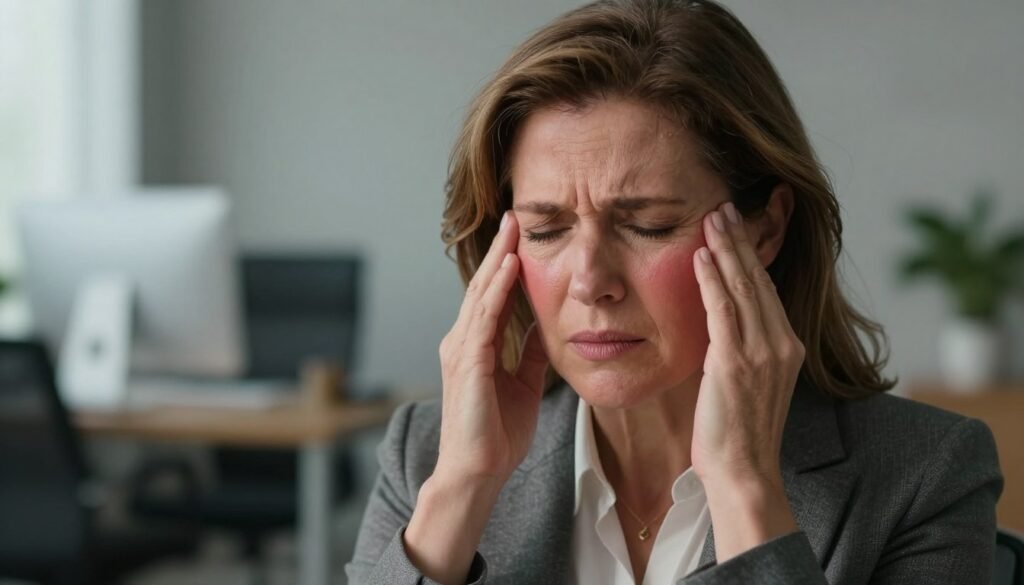
Hot flashes and night sweats are among the most frequent symptoms. They can last several minutes and cause dizziness, palpitations, or intense flushing that interrupts work and sleep.
Frequent flashes may have long-term health risks, including cardiovascular effects, so track their timing and severity for your provider.
Sleep Disturbances
Night sweats often trigger broken sleep, which creates a cycle of fatigue and poor daytime focus. Alcohol can worsen insomnia and make sweats more frequent.
If sleep loss becomes severe, your provider may discuss hormone therapy or other treatments to restore rest and protect your health.
Vulvovaginal Changes
Vulvovaginal symptoms like vaginal dryness, irritation, and burning can make sex painful and lower comfort in daily life.
Simple options include lubricants, nonhormonal moisturizers, or targeted therapy recommended by your provider to improve comfort and sexual health.
“Addressing these physical symptoms early helps you maintain energy, intimacy, and overall health.”
- Hot flashes and night sweats can disrupt life and cause palpitations.
- Vaginal dryness often needs specific treatments like lubricants or local therapy.
- Weight gain around the stomach is common; diet and activity can help manage it.
- Avoiding excess alcohol reduces sweats, insomnia, anxiety, and weight gain.
For practical tips on how hormones affect sleep, see hormones and female sleep. Share patterns with your provider so you can weigh risks and options together.
Comparing Perimenopause with Other Health Conditions
Distinguishing perimenopause from other causes is often a matter of testing and timing. When mood shifts, irregular periods, or hot flashes appear, similar symptoms can come from thyroid disease, depression, or anxiety.

Blood tests help clarify the picture. Your doctor may check thyroid function, measure FSH, and look at estrogen and other hormone levels. These results guide whether symptoms come from menopause or another condition.
If you notice spotting after menopause, contact your provider right away. Postmenopausal bleeding needs evaluation to rule out serious causes, including cancer.
| Condition | Key symptoms | Useful tests |
|---|---|---|
| Perimenopause | Irregular periods, hot flashes, mood shifts | FSH, estrogen, clinical history |
| Thyroid disorder | Fatigue, weight change, anxiety, menstrual change | TSH, free T4, blood panel |
| Mood disorders (depression/PMDD) | Low mood, severe premenstrual changes, concentration issues | Clinical screening, psychiatric assessment, targeted labs |
Ethnic background can affect how long and how intense hot flashes last. Tell your provider about your cycle history and social context so they can interpret blood work and recommend care that fits your needs.
“Accurate testing and a clear symptom diary make it far easier to reach the right diagnosis.”
- Use blood tests to compare hormone levels and rule out mimics.
- Discuss prolonged or heavy symptoms with your doctor.
- Comparing conditions ensures you get the correct treatment for your health.
Lifestyle Strategies for Symptom Management
Simple daily habits can ease many symptoms and help you stay active and present in life.
Move regularly and choose nourishing foods. Moderate exercise and a balanced diet reduce weight gain, support bone and heart health, and ease mood changes. Aim for strength work twice weekly and 30 minutes of brisk activity most days.
Limit alcohol. Cutting back lowers night sweats, improves sleep, and reduces anxiety and weight shifts. Small changes here give quick relief.
Use stress-reduction tools like meditation, deep breathing, or guided hypnosis to calm the nervous system. These nonmedical treatments cut symptom intensity and improve sleep and mood.
“Consistent habits across months and years often deliver the greatest benefit.”
- Adopt a regular exercise routine and balanced diet to manage perimenopause symptoms.
- Reduce alcohol to lower hot flashes, night sweats, and sleep disruption.
- Practice brief daily meditation or breathing exercises to ease stress and mood changes.
- If lifestyle treatments are not enough, your provider can discuss additional therapies and treatments.
| Strategy | What it helps | How to start |
|---|---|---|
| Regular exercise | Weight, mood, sleep | 30 min brisk walk 5x/week + 2 strength sessions |
| Balanced diet | Energy, weight, bone health | More vegetables, lean protein, calcium-rich foods |
| Lower alcohol | Night sweats, insomnia, anxiety | Track intake, set limits, swap to nonalcoholic drinks |
| Stress techniques | Mood, sleep, symptom severity | 5–10 min daily meditation or breathing practice |
For tips on how anxiety shows up in the body and how to manage it alongside lifestyle changes, see anxiety symptoms in the female body.
The Role of Hormone Therapy in Your Transition
Deciding on hormone treatment is a personal choice guided by your health history and goals. Hormone therapy (MHT) works by replenishing estrogen and progesterone to ease common symptoms that interfere with daily life.
Evaluating Your Treatment Options
Hormone therapy is a highly effective option for many women. It often reduces hot flashes, night sweats, mood swings, and can help regulate periods during this stage.
It is not right for everyone. Your provider will review your personal and family health history, current medications, and risk factors before recommending treatments.
- Combined pills are generally not advised for women aged 50 or older because risks may outweigh benefits.
- Expect some spotting during the first six months as hormones settle.
- If you use hormonal contraception, your provider may adjust your regimen while you transition.
Know the risks and limits. Hormone therapy can raise risks for blood clots and certain cancers in some people. Short courses at the lowest effective dose often reduce risk, but you and your provider should weigh benefits against potential harms.
“Talk openly with your provider about what matters most to you—symptom relief, long-term health, or specific treatment risks.”
Bottom line: Hormone therapy is an evidence-based tool. Use it as part of a shared plan that fits your life, health, and changing needs.
When to Seek Medical Help
If your symptoms begin to change how you function at work or home, ask your provider for a medical review. You do not need to wait until problems become severe to get guidance.
See a doctor promptly for heavy night sweats, frequent hot flashes, or sleep loss that disrupts your day. Your provider will want details because these menopause symptoms can affect long-term heart health.
If you notice bleeding after 12 months without periods, contact a provider right away. Even light spotting after that gap is a serious sign that needs evaluation to rule out other causes.
Fast or irregular heartbeat also warrants timely assessment. A doctor can run tests, check hormone levels, and review other contributors to your symptoms.
Early conversations open more options. Your provider can validate your experience, order blood work, and discuss treatment or lifestyle choices that match your goals.
“Reach out sooner rather than later—early advice often limits symptom impact and protects your overall health.”
| Trigger | Why it matters | What your provider may do |
|---|---|---|
| Disruptive hot flashes or night sweats | Can affect sleep and cardiovascular risk | Symptom history, lifestyle advice, treatment options |
| Bleeding after 12 months without periods | Needs evaluation to exclude serious conditions | Pelvic exam, imaging, referral as needed |
| Fast or irregular heartbeat | May signal arrhythmia or hormone effects | ECG, labs, and specialist referral if needed |
| Unclear symptoms | Hard to tell if caused by hormone changes | Blood tests for hormone levels and other labs |
For more on mental and emotional impacts and care options, see this mental health guide.
Conclusion
You can take active steps now to protect your health and ease daily disruptions. Track your period and note how your body and sleep change over the years. This data helps you and your provider choose the right treatments for mood, weight, or sleep problems.
Remember: what you feel is personal and valid. Many women find relief through simple lifestyle shifts, hormone options, or mental health care for depression and stress.
Do not let worry rule this time. Reach out, ask questions, and build a plan that fits your life. With facts and support, you can move through this stage with confidence and clarity.
FAQ
What are common early changes you might notice as your hormones shift?
You may notice changes in your menstrual cycle, mood swings, sleep problems, hot flashes or night sweats, and vaginal dryness. These stem from shifting estrogen and progesterone levels. Weight changes, increased anxiety or low mood, and trouble concentrating are also common. If symptoms last for months or affect your daily life, talk with your provider about testing hormone levels and treatment options.
How can you tell if irregular periods mean this stage has begun?
Irregular cycles — lighter or heavier bleeding, skipped months, or shorter or longer cycles — often mark the transition. Track your cycle for several months to spot patterns. Keep notes on flow, symptoms, and timing so your doctor can better assess whether hormones or another condition are the cause.
Why do hot flashes and night sweats happen, and how can you manage them?
Hot flashes and night sweats come from changes in your brain’s temperature regulation as estrogen levels fall. To reduce frequency and severity, try layered clothing, a cool bedroom, avoiding spicy foods, limiting alcohol and caffeine, and paced breathing. For persistent or severe flashes, hormone therapy or nonhormonal medications prescribed by your clinician may help.
What causes vaginal dryness and discomfort with sex, and what can you do?
Lower estrogen causes thinner, less lubricated vaginal tissue, leading to dryness, itching, or pain during sex. Over-the-counter lubricants and vaginal moisturizers often provide relief. For moderate to severe symptoms, your provider may recommend low-dose vaginal estrogen or other prescription options to restore tissue health and improve comfort.
How does this transition affect mood, anxiety, and brain fog?
Hormone fluctuations can trigger mood swings, increased anxiety, and trouble concentrating or remembering. Regular sleep, stress reduction, exercise, and a balanced diet help. If depression or severe anxiety emerges, cognitive behavioral therapy, counseling, or medications may be appropriate — discuss options with your doctor or a mental health professional.
Are sleep problems common, and what can improve sleep quality?
Yes — difficulty falling or staying asleep is common, especially when night sweats interrupt rest. Good sleep hygiene, limiting screens before bed, consistent sleep-wake times, and a cool, dark bedroom help. If insomnia persists, talk to your clinician about targeted treatments, which can include behavioral therapy or short-term medication.
When should you consider hormone therapy and what are the choices?
Hormone therapy can relieve hot flashes, vaginal symptoms, and prevent bone loss. Options include systemic estrogen, combined estrogen-progestogen if you still have a uterus, and low-dose vaginal estrogen for local symptoms. Nonhormonal medications and lifestyle strategies are alternatives. Discuss benefits, risks, and personal health history with a gynecologist or menopause specialist to choose the best plan.
Could other health issues cause similar symptoms?
Yes — thyroid disorders, pregnancy, diabetes, certain medications, and mental health conditions can mimic these symptoms. Your provider may order blood tests (including thyroid and hormone levels), review medications, and assess overall health to rule out other causes before confirming a diagnosis tied to hormonal transition.
How long does the transition typically last and when does menopause occur?
The transition can last several years. Menopause is defined as 12 consecutive months without a period; the average age in the U.S. is about 51. You may begin experiencing symptoms in your 40s or earlier, and hormone levels can fluctuate for years before periods stop entirely.
What lifestyle steps can help manage weight changes and protect long‑term health?
Focus on regular aerobic and strength-training exercise, a balanced diet rich in calcium and vitamin D, stress management, and adequate sleep. These habits support healthy weight, bone density, heart health, and mood. If weight gain or health concerns continue, a primary care clinician or registered dietitian can create a tailored plan.
When should you see a doctor about your symptoms?
Make an appointment if symptoms disrupt your daily life, cause severe sleep loss, trigger depression or anxiety, include heavy or very irregular bleeding, or if you have risk factors like early menopause in your family. A healthcare provider can evaluate symptoms, run appropriate tests, and discuss treatment options such as hormone therapy, antidepressants, or referral to a specialist.