

Have you noticed your favorite jeans feel tight although your food habits stayed the same? Many women experience a sudden shift where their body feels unfamiliar during this mid-life transition. It often feels like waking up with extra mass that won’t budge regardless of your efforts.
This natural phase can start in your 40s, bringing significant changes to your hormonal balance. Research shows that hormonal fluctuations often lead to increased cortisol levels which can cause fat storage. Understanding these shifts is the first step toward reclaiming your health.
Addressing perimenopause and weight gain requires a modern perspective. This guide, medically reviewed by Dr. Helloyze Ferreira Ancelmo (CRM-GO 31293), provides evidence-based strategies for managing these symptoms. You will learn about nutrition, medical treatments, plus effective exercise habits.
You are not alone in this journey; reaching your health goals remains entirely possible when you apply the right evidence-based strategies today. This article offers practical case scenarios as well as actionable recommendations designed specifically for your current needs.
Key Takeaways
- Hormonal shifts often trigger sudden abdominal fat storage.
- Muscle loss naturally slows your metabolic rate during mid-life.
- Stress management helps regulate vital hormones like cortisol.
- Balanced nutrition supports your body as estrogen levels drop.
- Consistent resistance training helps preserve lean muscle mass.
- Professional medical advice ensures safe, personalized symptom relief.
Quick Answer and Key Takeaways
Understanding why your body stores fat differently now is the first step toward feeling like yourself again. Changes in your hormone levels slow your metabolism and reduce muscle mass. This process often leads to weight gain and fat moving to your midsection. Preventing further weight gain is possible with small daily changes.
While these changes are common, they are manageable through evidence-based nutrition and regular exercise. You can take control of your health during the menopause transition. A healthy lifestyle helps you feel stronger and more energetic as you age.
Most symptoms start in your 40s and can last for several years. However, your weight usually stabilizes once the transition period ends. Managing menopause effectively requires a clear plan and realistic expectations about medical treatments.
To help you navigate these changes, here are the essential facts you need to know about managing your body during this time:
- Hormonal Shifts: Declining estrogen and progesterone levels are the main drivers of fat redistribution to your belly.
- Metabolic Slowdown: Natural muscle loss during your 40s means you burn fewer calories at rest than you used to.
- Evidence-Based Nutrition: The Mediterranean diet is the most effective eating pattern for heart health and weight control.
- Exercise Rules: Aim for 150 minutes of moderate activity weekly, including strength training at least twice a week.
- Lifestyle Focus: Prioritizing sleep and managing stress helps lower cortisol, which can otherwise increase abdominal fat.
- Hormone Therapy: Medical treatments can help with hot flashes, but they are not a primary tool for losing weight.
- Mental Health: It is important to distinguish perimenopause from conditions like PMDD, anxiety, or depression to get the right care.
Remember, your body is changing, but you have the power to influence how you feel and look through consistent, small adjustments.
| Factor influencing weight | Biological Cause | Evidence-Based Solution |
|---|---|---|
| Midsection Fat | Estrogen decline and high cortisol | Mediterranean Diet and sleep |
| Slower Calorie Burn | Loss of lean muscle mass | Strength training twice weekly |
| Low Energy Levels | Sleep disruption and stress | 150 minutes of weekly exercise |
Understanding Why Perimenopause and Weight Gain Are Connected
Understanding the link between your shifting hormones and the scale is the first step toward regaining control over your health. During this transition, your body undergoes complex shifts that change how you process energy. These internal adjustments are natural, but they require a new approach to help you feel your best.
Hormonal Fluctuations: Estrogen, Progesterone, and Your Weight
The primary drivers behind weight gain are the constant fluctuations in estrogen and progesterone. When your estrogen levels drop, it directly impacts your insulin sensitivity and blood sugar regulation. This makes it much easier for your system to convert calories into stored fat instead of burning them for fuel, leading to a steady gain.
Progesterone also plays a significant role by affecting how you regulate fluid. A decline in this hormone often leads to increased bloating. This can feel like a sudden gain in your midsection even before actual fat accumulates over time.
How Your Metabolism Changes During Perimenopause
Your metabolism naturally slows down as you age, typically by 3% to 8% every decade after your 30s. During perimenopause, this decline can accelerate as you lose muscle mass. Because muscle burns more energy than fat, having less of it means you burn fewer units of energy at rest.

This metabolic shift explains why the same diet that worked in your 30s might lead to weight increases today. Recognizing these biological changes helps you move away from self-blame and toward proactive management. When you understand your metabolism, you can adjust your habits to match your current needs.
When Weight Gain Typically Starts and How Long It Lasts
You might be surprised to learn that perimenopause symptoms can actually start 7-10 years before your final menstrual period. This transition often begins in your 40s, though it can occur earlier for some women. Knowing this timeline allows you to prepare your lifestyle before significant changes occur.
Most women experience the most noticeable weight gain during the transition and the first few years after menopause. The encouraging news is that this weight does not keep climbing forever. Your hormone levels eventually find a new baseline, allowing your weight to stabilize naturally.
By recognizing these signs early, you can implement strategies to support your weight through menopause. Staying informed gives you the power to navigate menopause with confidence and grace. You are not alone in this journey, and there are many ways to find your balance again.
How Perimenopause Changes Your Body Composition
You might notice that your clothes fit differently lately because your body composition is undergoing a significant transformation. These internal shifts change how you look and how your metabolism functions daily.
The Science Behind Menopause Belly and Visceral Fat
This biological change often leads to what many call a menopause belly. This is not just surface fluff, but visceral fat that builds up deep inside your abdomen around your internal organs.
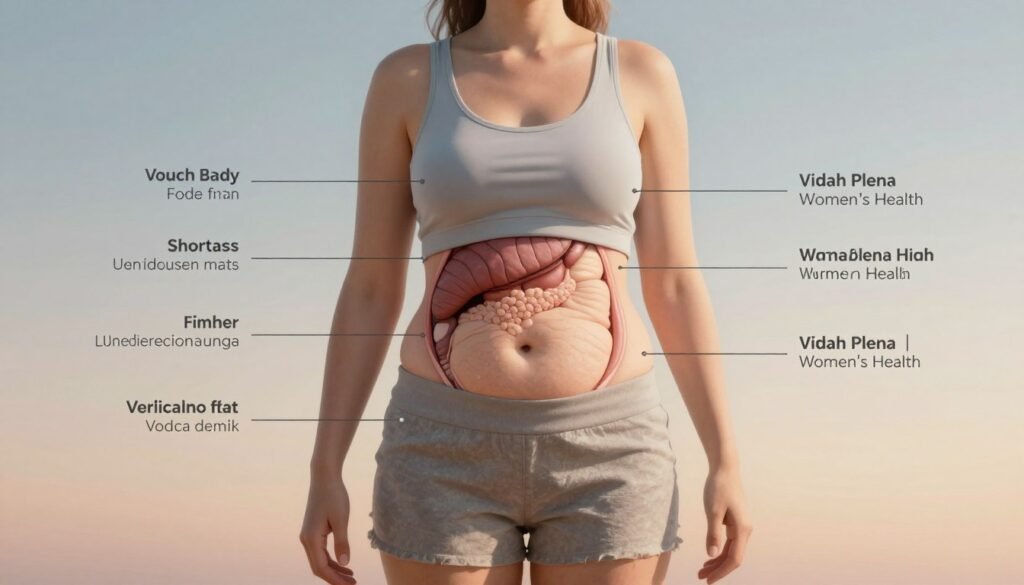
Visceral fat is a major health concern because it increases risks for heart disease and diabetes. Unlike the kind you can pinch, this mass surrounds your vitals and stays hidden under the abdominal wall.
Muscle Mass Loss: Why You Burn Fewer Calories
Starting in your 30s, your muscle mass naturally declines at a rate of 3-8% every ten years. Maintaining your muscle mass becomes much harder during this transition as hormone production slows down.
Since muscle tissue burns more calories than fatty tissue, losing it directly slows your metabolism. When you burn fewer calories at rest, your body requires less fuel to maintain its current weight.
Fat Redistribution from Hips and Thighs to Midsection
You may notice your hips and thighs getting slimmer while your waist expands. As estrogen drops, your system stops storing fat in the hips and thighs and moves it to your belly instead.
This shift changes your silhouette and can impact your self-image. Understanding the pmdd vs perimenopause a side-by-side comparison can help you see how these physical changes fit into your overall health journey.
Genetics and Family History Factors
Your family history plays a significant role in how your weight shifts during this time. If your relatives gained weight in their midsection after menopause, you might face a similar genetic pattern.
However, you can still protect your muscle and manage your mass through consistent strength training. Focusing on building strength helps you stay healthy, active, and empowered through these changes.
| Physical Change | Biological Cause | Health Impact |
|---|---|---|
| Visceral Fat Gain | Estrogen decline | Increased heart disease risk |
| Muscle Loss | Aging and low hormones | Lower metabolic rate |
| Fat Shifting | Hormonal redistribution | Change in body shape |
Recognizing Perimenopause Symptoms and Understanding Health Risks
Understanding your body’s signals is the first step toward reclaiming your vitality during the transition to menopause. Many women experience a wide range of changes that affect both their physical comfort and their mental clarity.
Identifying these early indicators allows you to make proactive choices for your long-term health. By paying attention to how you feel, you can navigate this phase with confidence and grace.
Physical Symptoms: Hot Flashes, Night Sweats, and Sleep Disturbances
Physical symptoms often serve as the first warning signs that your hormone levels are shifting. You may experience intense hot flashes and night sweats that leave you feeling exhausted during the day.
These night sweats often disrupt your sleep, which triggers a frustrating biological cycle in your body. When you lack sleep, your hunger hormone ghrelin rises while your fullness hormone leptin falls, leading to increased cravings and weight gain.
Research also shows that obese women often report more frequent and severe hot flashes than those at a lower weight. Other common changes include irregular periods, vaginal dryness, and even thinning hair. Recognizing these hot flashes early helps you manage your comfort levels effectively.

Emotional Changes: Mood Swings, Irritability, and Fatigue
The transition also brings significant emotional shifts, such as sudden mood swings and persistent fatigue. You might feel a sense of “brain fog” that makes it hard to focus on daily tasks.
These changes are deeply linked to your overall menopausa e saúde mental. Understanding this connection helps you realize that these feelings are a biological response to changing hormones, not a personal failing.
How Perimenopause Differs from PMDD, Anxiety, and Depression
It is crucial to distinguish these shifts from conditions like PMDD or clinical depression to get the right support. While the symptoms look similar, their timing and specific triggers often vary significantly between conditions.
Symptom Comparison Table
| Condition | Primary Timing | Core Symptoms |
|---|---|---|
| Perimenopause | Irregular/Random | Hot flashes, night sweats, brain fog |
| PMDD | Luteal phase (pre-period) | Severe irritability, bloating, sadness |
| Clinical Depression | Persistent/Constant | Low energy, loss of interest, sleep changes |
Health Risks Associated with Perimenopause Weight Gain
Gaining weight during menopause isn’t just about how your favorite clothes fit your body. Carrying extra visceral fat significantly increases your risk for several chronic conditions that impact your longevity.
Heart Disease and Diabetes Risk
Increased abdominal fat raises your chances of developing heart disease and type 2 diabetes. This extra weight contributes to high blood pressure and a higher risk of stroke or metabolic disease.
Protecting your cardiovascular health now ensures a much higher quality of life as you age. Managing your blood sugar can prevent the onset of diabetes and reduce the strain on your heart disease markers. Staying active is the best way to lower your disease profile during this time.
Impact on Joints and Mobility
Excess weight puts additional pressure on your hips, knees, and ankles every single day. This can lead to arthritic issues that make it much harder for you to stay mobile and active.
Joint pain often creates a cycle where you exercise less, leading to more muscle loss and further weight gain. Recognizing these risks early motivates you to take proactive steps that improve your immediate quality of life.
What Helps: Nutrition and Dietary Changes for Weight Management
If you’ve noticed your usual eating habits aren’t working anymore, it’s time to explore nutrition that supports your changing hormones. Adjusting what you eat is one of the most powerful tools for maintaining a healthy weight as you transition through midlife. You cannot simply exercise your way out of a poor diet; success requires both nutrition and movement to work together.
The Mediterranean Diet: Your Best Eating Pattern
Research identifies the Mediterranean style of eating as the gold standard for women during this transition. This plant-forward approach emphasizes vegetables, fruits, whole grains, and healthy fats like olive oil. It does more than just help with weight loss; it also supports cardiovascular health and bone density.

Why Your Old Diet May Not Work Anymore
Many patients feel frustrated when they say, “I’ve always eaten this way and never gained weight.” The reality is that your metabolic needs change during menopause, and your previous habits may no longer be effective. It is not your fault, but you must be meticulous about what you put into your body to prevent menopause weight gain.
“Eat (real) food. Not too much. Mostly plants.”
Essential Nutrients: Protein, Fiber, and Healthy Fats
Prioritizing specific nutrients helps stabilize blood sugar and preserve muscle mass. For many American women, adopting a specialized diet plan focused on high-quality protein is a clear way to support a healthy weight. Focus on Greek yogurt, beans, and eggs to stay full longer and support metabolic health.
Foods to Limit and Foods to Embrace
Small changes in your daily choices can lead to significant fat loss over time. Limiting added sugars and alcohol can reduce systemic inflammation and improve your sleep quality. Use the following guide to help you choose nutrient-dense options that address menopause weight issues effectively.
| Category | Foods to Embrace | Foods to Limit |
|---|---|---|
| Proteins | Fish, Eggs, Legumes | Processed Deli Meats |
| Carbohydrates | Berries, Quinoa, Leafy Greens | Refined Flour, Sugary Snacks |
| Fats | Avocado, Nuts, Seeds | Trans Fats, Margarine |
Real-Life Case Scenario: Sarah's Dietary Transformation
Sarah, a 47-year-old, struggled with a 15-pound weight gain despite her best efforts to eat “clean.” By switching to a Mediterranean-style diet with increased fiber and protein, she began to manage weight more effectively. Within six months, Sarah was able to lose the weight and reported a significant reduction in her daily hot flashes.
What Helps: Exercise, Medical Treatments, and Lifestyle Strategies
Managing menopause weight gain involves more than just cutting calories; it requires a holistic approach to movement and medicine. While your body is changing, you can take control by combining the right physical activity with expert medical guidance. These strategies help you feel stronger and more energetic during this transition.
The 150-Minute Exercise Rule and Why It Matters
Experts recommend that women aim for at least 150 minutes of moderate-intensity physical activity spread throughout the week. You can break this down into 30 minutes five days a week or even three quick 10-minute walks each day. This consistent movement is essential for your menopause health.
Regular activity helps you maintain muscle mass and boosts your metabolism during a time when it naturally slows down. It also improves how your body uses insulin and helps reduce the frequency of hot flashes. Moving your body daily is a powerful way to manage stress and improve your sleep quality.
Strength Training: Building Muscle to Boost Metabolism

You must include strength training at least twice every week to fight muscle loss. This matters because lean tissue burns more calories at rest than fat tissue does. Building this tissue makes your body a more efficient metabolic machine.
Lifting weights or using resistance bands sends a signal to your body to stay strong. For many women, this is the most effective way to prevent the urge to gain weight. It protects your bones and ensures you stay mobile as you age.
Weight-Bearing Exercises: Pilates, Yoga, and Resistance Training
Weight-bearing exercise provides the biggest benefit for managing your midsection. Pilates is especially effective because it targets core strength where fat often deposits during this life stage. It helps tighten the abdominal wall and improves your overall posture.
Other great options include yoga for flexibility, tennis, or high-intensity interval training. The best activity is truly the one you will actually do consistently. Mixing different styles keeps your routine fun and challenges different parts of your body.
Hormone Therapy: Benefits, Limitations, and What It Won't Do

It is important to understand that hormone therapy will not cause weight loss on its own. This treatment is not indicated for losing pounds, nor will it stop wrinkles or hair loss. Some patients may even notice a small amount of bloating when they start a new hormone regimen.
However, hormone therapy can be very helpful for fat redistribution. Evidence suggests that while you may not see the scale drop, the hormone can help move fat from your belly to your hips and thighs. A qualified menopause specialist can help you decide if this path is right for your symptoms.
Weight Loss Medications: When They're Appropriate and Side Effects
Medical weight management drugs might be appropriate if your BMI is over 30. They are also considered if your BMI is over 27 and you have other health issues like diabetes or high blood pressure. These medications require a prescription and close monitoring by a doctor.
Be aware that these drugs often cause side effects like nausea or diarrhea. They can be expensive, and if you stop taking them, you are likely to gain the weight back. Always discuss the long-term plan with your healthcare provider before starting.
Managing Sleep, Stress, and Cortisol Levels
Chronic stress raises your cortisol, which tells your body to store fat around your middle. High cortisol also triggers cravings for sugary or high-fat foods that lead to menopause weight gain. When you are stressed, it is much harder to maintain a healthy lifestyle.
Prioritize your sleep by keeping your bedroom cool and dark. Establishing a calming evening routine is vital, much like a pmdd self-care routine helps manage cyclical symptoms. Taking short walks or practicing deep breathing can lower your stress levels quickly.
Staying Motivated: Creating Sustainable Exercise Habits
You might feel too tired to exercise, but this is a cycle you must break. Within five minutes of starting your physical activity, your body releases endorphins that make you feel better. Action often creates the energy you think you are missing.
Commit to a training plan every single day for 20 days to set a permanent pattern. Do not wait for a free time in your schedule because it likely won’t happen. Pick a specific hour for your health and work your life around it.
Real-Life Case Scenario: Maria's Exercise Journey
Maria, a 49-year-old teacher, felt too exhausted to move after work. She decided to start small with just 10-minute daily walks around her block. Gradually, she added Pilates twice a week to improve her core strength and balance.
After three months, Maria noticed she had much more energy and was able to sleep through the night. She saw a five-pound loss and her hot flashes became much less frequent. Maria proved that a healthy lifestyle with regular exercise leads to a better quality of life during the menopause transition.
When to Seek Medical Help
Recognizing the boundary between normal aging and issues that need intervention is key to managing your weight. While lifestyle changes are powerful, professional guidance ensures your health remains a top priority during this transition.
Deciding when to move from self-care to clinical support is a proactive step toward long-term wellness. Expert advice helps you navigate hormonal shifts with confidence and clarity.
Warning Signs That Require Professional Evaluation
Look out for sudden weight gain of more than 10 pounds in a very short time. You should also seek help if you experience severe hot flashes or mood changes that disrupt your daily life.
These symptoms might signal a higher risk for metabolic issues or thyroid disorders. Irregular bleeding patterns also require a swift medical check to rule out other underlying conditions.
Working with Healthcare Providers

Track your daily patterns in a journal to give your doctor clear and actionable data. Note your energy levels, sleep quality, and any specific symptoms you notice throughout the month.
Finding a qualified menopause expert helps you receive personalized care tailored to your unique biology. This partnership allows you to address the root causes of physical changes effectively.
Comprehensive Treatment Options Available
Doctors offer a variety of treatment plans, including hormone therapy for those who are appropriate candidates. They can help you distinguish menopause-related weight gain from other medical conditions like PMDD or anxiety.
Seeking help is not a sign of failure but a strategy for success. Professional care is the best way to protect your future health and vitality.
Conclusion
Navigating the hormonal shifts of midlife often feels like an uphill battle. While perimenopause is a natural transition, significant menopause weight gain is not an inevitable fate. You can maintain a healthy weight by embracing a consistent lifestyle of strength training and intentional nutrition.
Focus on small changes, like the Mediterranean way of eating. Whether you are distinguishing pmdd or perimenopause or focusing on fat loss, your efforts over time lead to success. You do not have to gain weight if you prioritize your weight gain strategies and daily health today.
FAQ
Why does my midsection change during this life transition?
In your age group of the 40s, hormone levels shift. This plays a role in a mass move from your hips or thighs to the belly. This transition affects how many women store fat. This shift increases the risk of diabetes or heart disease as you mature. Focus on a healthy weight to protect your heart for the future.
How much physical activity should I do each week?
Follow the 150-minute exercise rule every week to maintain your body. Try strength training to keep your muscle mass high. Resistance training helps your metabolism stay fast. High activity levels lower the risk of disease later in life. Consistency is the best way to see loss in body mass.
Do hot flashes affect my size?
Poor sleep triggers hot flashes plus stress. This makes your body hold onto calories. Lack of rest changes how you process your diet. It often leads to menopause weight gain over several years. Better rest supports your lifestyle goals while keeping you feeling refreshed.
Can hormone therapy help?
This treatment manages symptoms like night sweats. While it might not cause direct loss, it helps you feel better. Feeling good makes it easier to stay active. Talk to a doctor at Mayo Clinic about your menopause options for better health.
How does perimenopause impact health?
This perimenopause phase changes muscle density. You might notice your metabolism slowing down during this time. This time of life requires a new way to eat calories. Keeping active is vital for your long-term health as you navigate this hormonal shift.