
You wake up in the luteal week feeling different. You’re overwhelmed, tearful, and exhausted. Your work, relationships, and plans get derailed every month. If this sounds like you, you might have premenstrual dysphoric disorder (PMDD), not just “bad PMS.”
Certain dietary supplements can help with PMDD symptoms. Calcium and vitamin D are backed by research for mood and physical symptoms. Magnesium, vitamin B6, omega-3s, and zinc also show promise, though the evidence is sometimes limited.
These supplements are best used as part of a bigger plan. This plan might include SSRIs, hormonal treatments, therapy, and self-care. PMDD affects 3–8% of menstruating women and can be very disabling.
Getting the right mix of treatment, therapy, diet, and supplements can help. The latest studies and guidelines stress the importance of careful diagnosis and shared decision-making with your doctor. This is before starting supplements.
In this guide, you’ll learn about supported supplements, their doses, and how they differ. You’ll also find out about safety and how to use them with lifestyle changes. You’ll get practical tips to help choose the best supplements for PMDD.
Key Takeaways
- PMDD is a DSM‑5 recognized disorder that can be disabling and requires careful diagnosis and symptom tracking.
- Calcium and vitamin D have the strongest clinical support; magnesium, vitamin B6, omega‑3s, and zinc show promise.
- Supplements are adjuncts, not replacements, for treatments like SSRIs, certain oral contraceptives, and CBT.
- Talk with your clinician before starting supplements—interactions and safety (e.g., high-dose B6 neuropathy) matter.
- Combining targeted supplements with stable protein-rich meals, sleep, stress management, and reduced alcohol/caffeine gives the best chance for symptom improvement.
Quick Answer
Looking for a quick fix for PMDD? Dietary supplements can help, but they shouldn’t replace regular treatment. For many, adding nutrients like calcium, vitamin D, magnesium, vitamin B6, and omega-3s can complement SSRIs, hormonal treatments, or therapy.
When choosing supplements for PMDD, start with a summary: confirm your diagnosis, keep a symptom journal, and check for interactions with medications.
Here are some immediate steps: stabilize blood sugar with protein-rich meals, reduce caffeine and sugar, and consider EPA-rich fish oil if seafood is scarce.
Find natural PMDD support with a balanced diet, lifestyle, and specific supplements. Calcium (1000–1200 mg/day) with vitamin D and magnesium are key. Always discuss dosages and safety with your doctor, even if pregnant or on antidepressants.
For a meal that helps with emotional control and impulse, try this recipe: Bowl Calmante de Salmão com Quinoa.
Key Takeaways
PMDD is different from regular PMS. To diagnose it, you need to track symptoms over time. It’s important to rule out other health issues first.
Treatments include SSRIs, hormonal therapy, and cognitive behavioral therapy. Supplements can help too.
Start with lifestyle changes: get enough sleep, exercise regularly, and manage stress. Eating right, with lots of calcium and B vitamins, is key. Don’t rush to pills.
Some supplements might help with PMDD symptoms. Use this guide to make informed choices. Always talk to your doctor about safety and side effects.
Calcium and vitamin B6 are backed by research for PMDD symptoms. Omega-3 fish oil and magnesium also show promise. Saffron might help with mood during the luteal phase.
Don’t rely on supplements alone for severe PMDD. They should be part of a bigger plan. This includes medical care, therapy, and lifestyle changes.
| Goal | Supplement or Strategy | Evidence Level | Notes for You |
|---|---|---|---|
| Reduce mood swings and irritability | SSRIs (prescription) + EPA‑rich fish oil | High for SSRIs; Moderate for EPA | SSRIs remain first‑line for severe PMDD; discuss fish oil dose with your clinician |
| Alleviate physical symptoms | Calcium, Magnesium | Moderate | Prefer dietary calcium; magnesium glycinate is gentler on the gut |
| Improve mood and luteal‑phase distress | Vitamin B6, Saffron | Moderate for B6 at safe doses; Moderate for saffron in trials | Monitor B6 intake to avoid neuropathy; saffron shown in randomized studies |
| Support overall brain health | Vitamin D, Zinc | Low to Moderate | Check levels before supplementing for vitamin D; zinc may help but watch GI side effects |
| Daily habits to reduce symptoms | Sleep hygiene, exercise, balanced diet | Strong | These interventions complement any supplement plan and improve treatment response |
Why Supplements May Help PMDD
Your brain and body react to the menstrual cycle in ways that can cause PMDD symptoms. Small changes in neurotransmitters and hormones can affect mood, sleep, and appetite. Supplements can help support these pathways while you work with a clinician on treatments.
Neurotransmitter Support
Neurotransmitter imbalance is key to many PMDD symptoms. You might notice anxiety or low mood during the luteal phase. Nutrients that help with serotonin and GABA signaling can help ease these symptoms.
Vitamin B6 is important for making serotonin, which is why there’s interest in serotonin pmdd supplements. Omega-3s like EPA reduce inflammation and help stabilize mood. Magnesium supports nerve relaxation and boosts GABA tone, making it a common supplement for PMDD.
When looking at supplements, make sure they are safe and have clear dosing. Use them as part of a broader plan that may include SSRIs or therapy. These medications directly target serotonin and often bring quick relief.
Hormonal Regulation
Women with PMDD are sensitive to estrogen and progesterone swings. This sensitivity can affect neurotransmitters and physical symptoms. Managing nutrient levels helps your body handle these changes.
Calcium, vitamin D, and magnesium support bone and nerve signaling during the luteal phase. They help create a stable internal environment when estrogen and progesterone levels are changing. Some people add supplements for hormonal balance pmdd to smooth out symptoms, alongside contraceptives that reduce hormonal swings.
Reducing inflammation through diet and omega-3 supplements and maintaining adequate micronutrients supports hormonal regulation pmdd. Discuss your plans with an OB-GYN or psychiatrist to ensure your supplement choices align with your treatment goals.
Magnesium for PMDD
If you deal with mood swings, cramps, or bloating before your period, magnesium might help. It helps nerves and muscles relax, easing symptoms caused by hormonal changes. This section will help you understand the different types, how much to take, and what research says.
Magnesium Glycinate vs Citrate
Choosing between magnesium glycinate and citrate depends on your needs. Glycinate has glycine, which calms you down and is less likely to cause diarrhea. Citrate is good for constipation but might upset your stomach in large amounts.
For anxiety and sleep, glycinate is often preferred by doctors. But if you have bloating or constipation, citrate might be better. It’s about finding what works best for you.
Recommended Dosage
Doctors usually recommend 200–400 mg of magnesium daily for PMS and PMDD. Always talk to your doctor, though, if you have kidney problems or take certain medications.
It’s best to take magnesium twice a day to avoid stomach problems. Start with a small dose and increase it as needed. This way, you can find the right amount for you.
Research Findings
Studies show magnesium can help with premenstrual symptoms, more so for PMS than PMDD. A study found that magnesium with vitamin B6 worked best. You can read more about it at magnesium clinical trial.
Magnesium might help by calming nerves, supporting vitamin D, and reducing inflammation. While research is promising, more studies are needed to confirm its effects on PMDD.
| Feature | Glycinate | Citrate |
|---|---|---|
| Tolerance | High; less GI upset | Moderate; may cause loose stools |
| Best for | Anxiety, sleep, mood | Bloating, constipation |
| Absorption | Good | Very good |
| Typical dose (elemental) | 200–400 mg/day | 200–400 mg/day |
| Interaction notes | Avoid with certain antibiotics; check renal function | Avoid with certain antibiotics; check renal function |
When looking for magnesium supplements, choose ones that clearly state the elemental amount. Look for reputable brands like Nature Made or Thorne and third-party testing. This ensures you get a safe and effective product.
Calcium for PMDD
Calcium is important for nerve signaling and muscle function. It can affect mood and physical symptoms in the luteal phase. Studies show that adding dietary calcium can ease emotional symptoms like sadness and mood swings. It can also reduce fatigue and bloating for some people with premenstrual conditions.
When choosing a supplement, consider absorption, pill size, and how you take it. Calcium citrate is easier to absorb on an empty stomach and for people with lower stomach acid. Calcium carbonate contains more elemental calcium per tablet and works best with food. Splitting doses through the day improves uptake and cuts down on stomach upset.
Calcium citrate vs carbonate pmdd
Experts recommend about 1,000–1,200 mg/day of calcium from food and supplements. If your diet is low, a supplement can help you reach this goal. Pairing calcium with vitamin D and magnesium supports absorption and balance.
Calcium clinical studies pmdd
Studies report meaningful reductions in PMS symptoms after calcium supplementation. Many trials focus on PMS. Yet, the biological mechanism supports benefits for luteal-phase mood stabilization relevant to PMDD.
Calcium trials pms
Dosage in trials and guidance generally stays within the 1,000–1,200 mg/day range. Use food-tracking tools or calculators to estimate intake before adding pills. Prioritize dietary sources like dairy, leafy greens, and fortified foods when possible.
Calcium safety pmdd
Safety considerations include calcium supplement risks and interactions with medications. Excessive long-term supplementation has been linked to cardiovascular concerns. Discuss supplementation with your clinician, specially if you take thiazide diuretics or have kidney disease.
Calcium supplement risks
Use split doses to reduce side effects. Co-supplement vitamin D and magnesium when appropriate. Your clinician can advise on the best calcium supplement pmdd for your needs.
| Factor | Calcium Citrate | Calcium Carbonate |
|---|---|---|
| Absorption | Better on empty stomach; useful if low stomach acid | Best with food; higher elemental calcium per tablet |
| Typical Dose Strategy | Smaller split doses through day for steady uptake | Split with meals to improve absorption and reduce GI upset |
| Elemental Calcium per Tablet | Lower; requires more tablets for same elemental amount | Higher; fewer tablets needed to reach target dose |
| GI Tolerance | Gentler for sensitive stomachs | May cause reflux or gas if taken without food |
| Interactions | May interact with bisphosphonates and antibiotics; check timing | Same interactions; timing with other meds is important |
| Clinical Evidence for PMS/PMDD | Supported by trials showing symptom reduction | Also supported; choice often guided by tolerance and cost |
| When to Prefer | If you have low stomach acid or take PPIs | If you want fewer tablets and take with meals |
Vitamin D for PMDD
Vitamin D helps with calcium absorption and mood, which can impact premenstrual symptoms. If you experience severe mood or physical symptoms, check your vitamin D levels. It supports bone and nerve health and helps with inflammation linked to symptoms.

Vitamin D Deficiency and PMDD
Low vitamin D can make mood swings and physical discomfort worse during the luteal phase. Testing for vitamin D deficiency is often recommended for PMDD. It helps improve calcium absorption and balance neurotransmitters.
Research Findings
Studies on vitamin D and PMDD often look at its effects with calcium. They show supplements can reduce symptoms and improve mood. But, there’s a need for more specific studies on PMDD.
Recommended Intake
Adults generally need 600–800 IU/day of vitamin D for health. Doctors may recommend 1,000–2,000 IU/day for PMDD based on blood tests. They might also suggest higher doses for a short time to fix deficiencies.
| Consideration | What to Do | Notes |
|---|---|---|
| Screening | Measure serum 25(OH)D | Identify vitamin d deficiency pmdd and guide vitamin d dosing pmdd |
| Maintenance dose | 600–2,000 IU/day | Fits most adults; adjust for absorption issues or deficiency |
| Therapeutic correction | Higher supervised dosing | Used short term to restore sufficiency, monitor levels |
| Combination strategies | Vitamin D plus calcium | Often studied for mood and physical premenstrual relief |
| Monitoring | Repeat labs if high-dose therapy | Avoid excessive vitamin D without medical oversight |
Vitamin B6 for PMDD
Vitamin B6 is important for mood control. You can find it in foods like salmon, chickpeas, potatoes, bananas, and fortified cereals. These foods help make neurotransmitters that affect mood and behavior during the luteal phase.
Mechanism of Action
Vitamin B6 is needed for enzymes that make serotonin and GABA. This makes it a good choice for mood changes tied to the menstrual cycle. It helps support serotonin production, which can help with mood symptoms.
This biochemical role is key to understanding how B6 helps with PMDD. It’s part of the metabolic process, not a single cure.
Evidence Review
Studies on PMS and related disorders show B6 can help with symptoms. Many trials show improvement. Meta-analyses and guidelines often recommend it for mild to moderate symptoms.
There are fewer PMDD-specific trials, but observational studies suggest B6 can lower risk of symptoms. The evidence points to B6’s benefits, but it’s not definitive.
When looking at B6 clinical trials for PMS, remember the study sizes and outcomes vary. These differences affect the strength of the evidence.
Dosage Considerations
Most studies use 50–100 mg/day of B6 supplements. For short-term use, start with lower doses. Always talk to your doctor about B6 dosage, even if you’re on SSRIs.
Taking more than 100 mg/day of B6 for a long time can cause nerve problems. Watch for tingling, numbness, or balance issues. The safest approach is to use the lowest effective dose and check in regularly.
| Use | Typical Dose | Evidence Strength | Safety Notes |
|---|---|---|---|
| Dietary support | Food sources (salmon, chickpeas, bananas) | Observational support | Very safe; promotes overall nutrition |
| Short-term luteal supplementation | 25–50 mg/day | Modest trial support | Better tolerated; monitor symptoms |
| Study-level supplementation | 50–100 mg/day | Moderate evidence for mood symptoms | Limit duration; avoid >100 mg/day long-term |
| Concurrent SSRI therapy | Clinician-guided | Limited direct data | Coordinate with prescribing clinician |
Zinc for PMDD
Zinc might be an underused tool for managing premenstrual symptoms. This trace mineral helps with neurotransmitters and the immune system. It could help with mood and inflammation in PMDD, making it worth considering.

Potential Benefits
Zinc helps enzymes that control brain chemicals linked to mood. Fixing zinc levels can stabilize neurotransmitters and reduce anxiety and irritability. Many people feel more emotionally stable when they get enough zinc from their diet.
What you eat affects your zinc levels. Foods high in zinc include oysters, beef, pumpkin seeds, lentils, and chickpeas. If you’re not getting enough, a diet review or test might show if supplements are needed.
Research Findings
There’s not much direct research on zinc for PMDD. But, studies on mood disorders and PMS show zinc might help. These studies have different designs, making it hard to compare them directly.
Some studies use zinc with other nutrients like calcium, magnesium, and omega-3s. This mix might help more than zinc alone.
| Area | What Research Shows | Practical Note |
|---|---|---|
| Neurotransmitter support | Studies link zinc to modulation of GABA and glutamate, with possible mood effects. | May help with mood balance when zinc is low; not a single solution. |
| Premenstrual symptom trials | zinc studies pms show some symptom relief, but methods differ. | Look for trials that check zinc levels at the start for better results. |
| Mood disorder research | zinc research pmdd and other mood studies show some improvement in anxiety and depression. | Best used as part of a treatment plan under a doctor’s guidance. |
| Dietary sources and status | Zinc levels change with diet; shellfish and red meat are good sources; plant sources need help to be absorbed. | Check your diet first; consider testing before starting supplements. |
| Safety | Too much zinc can cause nausea and affect copper absorption. | Stick to recommended amounts; talk to your doctor before starting supplements. |
When looking at zinc for PMDD and mood, remember the evidence is limited. Talk to your doctor about testing and dosage, and about using zinc with other supplements.
Omega-3 Fatty Acids for PMDD
Omega-3s are important for brain function and controlling inflammation. They can help with mood symptoms. Eating oily fish like salmon, sardines, and mackerel two to three times a week is best. If you don’t eat enough fish, a doctor might suggest a high-EPA fish oil supplement.
EPA vs DHA
EPA helps reduce inflammation that can affect mood. DHA supports brain health and cell membranes. Studies often recommend more EPA for treating mood symptoms.
Clinical Evidence
Research shows omega-3s can help with PMS and mood disorders. While there’s not much specific to PMDD, the evidence supports using fish oil as part of treatment. The usual dose is about 1–2 g of EPA+DHA daily, with more EPA.
It’s important to choose a safe fish oil product. High doses can increase bleeding risk and interact with certain drugs. Always talk to your doctor before starting, and choose products that are third-party tested.
Start with eating more fish and then use supplements. Look for products with high EPA content. This helps target mood and inflammation issues in PMDD. Following this plan can help manage symptoms.
Supplement Comparison Table
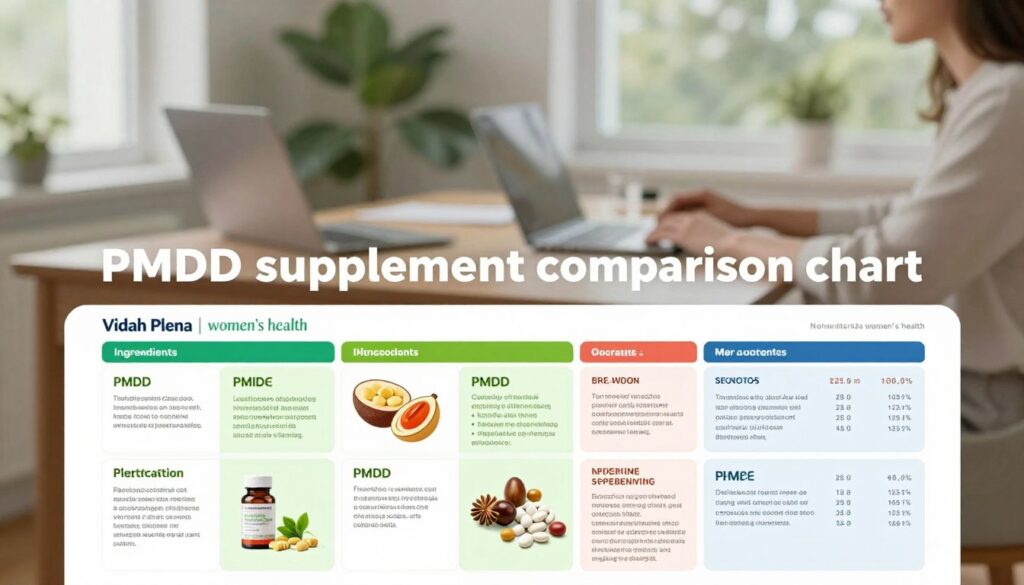
Use this guide to quickly compare common supplements for PMDD. The chart below shows benefits, doses, safety notes, and evidence strength. This helps you choose based on your symptoms and health history.
This comparison highlights calcium, vitamin D, magnesium, vitamin B6, omega‑3 (EPA), zinc, and saffron. Each row gives dosing ranges and safety precautions. This helps you discuss options with your doctor.
| Supplement | Typical Dose | Primary Benefit | Key Safety Notes | Evidence Strength |
|---|---|---|---|---|
| Calcium (calcium citrate/carbonate) | 1000–1200 mg/day total (diet + supplement) | Reduces mood and physical PMS/PMDD symptoms in trials | Avoid excess; monitor calcium with vitamin D and K2 for balance | Strong |
| Vitamin D (cholecalciferol) | Adjust to maintain sufficiency (800–2000 IU common) | Supports mood regulation and calcium metabolism | Check level before high dosing; toxicity rare but possible | Moderate |
| Magnesium (glycinate vs citrate) | 200–400 mg/day elemental | May ease cramps, mood swings, and sleep | Citrate can cause diarrhea; glycinate is gentler | Moderate |
| Vitamin B6 (pyridoxine) | ≤100 mg/day short term | May improve mood symptoms and irritability | High long‑term doses risk neuropathy; limit duration | Limited to moderate |
| Omega‑3 (EPA‑dominant fish oil) | 1000–2000 mg EPA combined with DHA | Helps mood and inflammation; EPA shows most benefit | May interact with blood thinners; check purity (PCBs) | Moderate |
| Zinc | 8–15 mg/day (short term up to 40 mg under guidance) | Can support mood and immune balance | Excess zinc causes copper deficiency; monitor long use | Limited |
| Saffron (Crocus sativus) | ~30 mg/day during luteal phase in some trials | Rapid luteal‑phase mood benefits noted in RCTs | Watch for herb interactions; buy standardized extracts | Emerging |
Use this chart to track your supplement journey. Start with diet and confirm deficiencies with tests. Choose evidence-based doses. Use luteal-phase timing for targeted options when trials suggest benefit. Share the chart with your clinician before changing your regimen.
Risks and Side Effects
Before starting any supplement, consider the risks. Supplements can interact with certain drugs. For example, they might affect blood thinners or antidepressants.
High doses of some nutrients can be dangerous. Too much vitamin B6 can cause nerve damage.
Many people experience stomach problems. Magnesium citrate can cause loose stools or cramps. Fish oil and saffron might trigger allergies in some.
Zinc in high amounts can lead to copper deficiency. This can cause symptoms like weakness and fatigue.
Too much calcium might harm your heart. Omega-3 fatty acids can increase bleeding risks, which is bad if you’re on blood thinners. Taking too much magnesium can harm your kidneys.
It’s important to talk to your doctor before starting any supplement. They might ask for blood tests or check your vitamin levels. Tell them if you’re pregnant or planning to get pregnant.
Remember, hormonal therapy and SSRIs are proven treatments for PMDD. Supplements can help but should not replace doctor-recommended treatments.
| Risk or Side Effect | Common Supplements Involved | What You Should Do |
|---|---|---|
| Drug interactions | St. John’s wort, fish oil, magnesium | Tell your prescriber about all supplements; check interactions with SSRIs, anticoagulants, diuretics |
| Gastrointestinal symptoms | Magnesium citrate, zinc, iron | Start with low dose, take with food, switch formulations if needed |
| Neuropathy from excess intake | Vitamin B6 | Keep B6 within recommended limits; monitor for numbness or tingling |
| Bleeding risk | High-dose omega-3 fatty acids, ginkgo | Avoid high doses if on blood thinners; consult hematology if needed |
| Electrolyte and mineral imbalance | Zinc, calcium, magnesium | Check serum levels; prevent copper deficiency when using zinc long term |
| Kidney-related toxicity | Magnesium supplements | Assess renal function prior to use; adjust dose or avoid if impaired |
| Contamination or mislabeling | Herbal blends, over-the-counter supplements | Choose third-party tested brands such as USP or NSF |
| Allergic reaction | Fish oil, saffron, shellfish-derived products | Stop product at first sign of allergy and seek medical advice |
When buying supplements, think about their safety. Look for third-party testing from USP, NSF International, or ConsumerLab. This ensures purity and correct dosing.
Keep track of any side effects during the first weeks. Use a journal to note any changes. Tell your doctor about any new symptoms. Early warning can prevent serious problems.
When to Seek Medical Help

If your premenstrual symptoms affect your work, school, relationships, or daily life, track them. Talk to a doctor if you have five or more symptoms, including mood changes. This step helps diagnose and plan treatment for PMDD.
Seek urgent care if you experience sudden severe symptoms like suicidal thoughts or depression. Knowing pmdd emergency signs is key to quick action. Emergency services and crisis lines are for when safety is at risk.
Start with a primary care provider, gynecologist, or mental health professional. They will review your symptoms, medications, and treatment options. They might also order tests to rule out other conditions.
If you’re considering dietary supplements, list them for your doctor. Discuss any possible interactions or side effects. Stop a supplement that causes severe reactions or worsens your mood and seek medical advice.
Knowing when to seek medical help for PMDD is important for both ongoing symptoms and emergencies. If you’re unsure, a trusted doctor can guide you to a specialist. For more on when to see a mental health specialist, check out this resource: when to consult a psychiatrist.
| Reason to Seek Help | What to Expect | Next Steps |
|---|---|---|
| Five or more luteal symptoms with mood changes | Prospective symptom tracking; diagnostic interview | Referral to mental health or start evidence‑based treatment |
| Persistent sleep, appetite, or concentration changes | Medical workup (CBC, thyroid, vitamin D); medication review | Treat deficiencies, adjust meds, begin therapy |
| Use of supplements or new side effects | Medication and supplement interaction check | Stop offending supplement; seek clinician advice |
| Acute safety concerns or severe mood decline | Emergency evaluation; crisis intervention | Call emergency services; access urgent mental health care |
Evidence Summary
Calcium trials show the strongest signs of symptom relief for PMDD. Large studies link calcium to fewer premenstrual complaints. Vitamin D is often paired with calcium, but its mood and pelvic symptom effects are mixed.
Magnesium, vitamin B6, zinc, and omega‑3s have some support for PMDD. Magnesium helps with dysmenorrhea and premenstrual symptoms in some studies. Vitamin B6 has shown symptom relief in older studies, similar to some broad micronutrient formulas.
Zinc supplementation for 12 weeks improved physical and psychological measures in one trial. Omega‑3s suggest a modest mood benefit in several controlled trials, but results vary.
Herbal agents like evening primrose oil and St. John’s wort have mixed results. Some trials show no difference from placebo, while others report small improvements. Small sample sizes and varied preparations make it hard to interpret these findings.
Dietary pattern data are limited. No clear links exist between diet and PMS/PMDD symptoms. Observational studies suggest diets rich in fruits, vegetables, and fiber are beneficial, while avoiding excess sugar and fried foods is advised.
PMDD-specific supplement trials are fewer than PMS studies. The DSM‑5 recognition of PMDD has led to more focused research. Yet, larger randomized controlled trials targeting confirmed PMDD cohorts are needed.
When choosing supplements, prioritize confirmed diagnosis, safety, known deficiencies, and patient preference. Use evidence summary pmdd supplements as a guide. Calcium and vitamin D/calcium combinations have the most consistent support. Research on B6, magnesium, zinc, and omega‑3s is promising but evolving.
For a detailed review of trial quality, outcomes, and limitations, see this summary on dietary supplements and premenstrual disorders at PMC. This source aggregates numeric findings, study durations, and stated limitations to aid in individual care planning.
Final Thoughts
You’re not alone in dealing with PMDD. Supplements can help as part of a bigger plan. Studies show that calcium with vitamin D, magnesium, vitamin B6, and omega-3s can ease symptoms. Use these along with lifestyle changes, therapy, and medical treatments for the best results.
Here’s how to use supplements wisely. Start by tracking your symptoms for two cycles. Eat protein-rich meals and cut down on caffeine, alcohol, and sugar. Also, make sure to sleep well and exercise regularly.
Don’t forget to check for vitamin D, iron, and thyroid issues. Talk to your doctor about the right time and amount of supplements. This way, you can manage PMDD naturally.
Remember, supplements can help but might not cure PMDD on their own. For more help on managing PMDD naturally, check out clinical resources and trusted organizations. This article was reviewed by Dr. Helloyze Ferreira Ancelmo to ensure you get the best advice and care.
FAQ
What is PMDD and how common is it?
Premenstrual dysphoric disorder (PMDD) is a severe condition that affects about 3–8% of menstruating women. It involves at least five symptoms, one of which must be mood-related. These symptoms must reliably recur in the luteal phase and interfere with work, school, or relationships.
Can dietary supplements treat PMDD on their own?
Supplements are not the primary treatment for PMDD. Established treatments include SSRIs, hormonal options, cognitive behavioral therapy, and GnRH analogues. Supplements like calcium, vitamin D, magnesium, vitamin B6, zinc, and omega-3s can help reduce symptoms. They should be used in addition to medical care, not instead of it.
Which supplements have the strongest evidence for PMS/PMDD symptoms?
Calcium has the most evidence for reducing premenstrual symptoms. Omega-3s, with a focus on EPA, also show promise for mood symptoms. Vitamin B6 and magnesium have some evidence, though there are fewer studies on PMDD. Zinc and saffron may also be helpful, but more research is needed.
How does magnesium help PMDD and which form is best?
Magnesium helps with nerve relaxation and mood regulation. Magnesium glycinate is often better tolerated than other forms. It’s recommended to take 200–400 mg of elemental magnesium daily, split into doses for better absorption.
What dose of vitamin B6 is recommended for PMDD and are there risks?
Trials use 50–100 mg of vitamin B6 daily for mood symptoms. Taking more than 100 mg can cause nerve damage. It’s best to get B6 from food sources and use supplements short-term under a doctor’s supervision.
Should you take calcium supplements for PMDD and how much?
Aim for 1,000–1,200 mg of calcium daily from diet and supplements. Large studies show calcium reduces mood swings and other symptoms. Use split doses for better absorption and consider vitamin D and K2 for safety.
What role does vitamin D play in PMDD and should I test my level?
Vitamin D aids in calcium absorption and may influence mood. Many studies use vitamin D with calcium. Testing your vitamin D level can guide dosing. Correcting deficiency is important under medical supervision.
Are omega‑3 supplements useful for PMDD, and which type should you choose?
Omega-3s, with a focus on EPA, reduce inflammation and support mood. Studies show benefit for PMS and mood disorders. If you don’t eat oily fish, consider a high-EPA fish oil supplement. Discuss bleeding risk with your doctor if you take anticoagulants.
Can zinc help PMDD symptoms?
Zinc supports neurotransmitter regulation and inflammation modulation. While evidence for PMDD is limited, zinc may help when deficient. Eat zinc-rich foods and avoid excessive supplementation to avoid side effects.
Are there herbal supplements that work for luteal‑phase mood symptoms?
Saffron has the most evidence for mood improvement in the luteal phase. Other herbs have mixed evidence and variable quality. Always choose third-party-tested products and discuss with your doctor before trying.
What safety issues and drug interactions should you watch for?
Be cautious of vitamin B6 neuropathy, magnesium diarrhea, and calcium cardiovascular risks. Omega-3s can increase bleeding risk. Supplements can interact with medications. Always inform your doctor about all supplements and medications.
How should you time supplements—daily or only during the luteal phase?
Timing depends on the supplement and your needs. Some use daily dosing for steady support. Others try luteal-phase dosing for targeted agents. Discuss timing with your healthcare provider to tailor your plan.
When should you seek medical evaluation for possible PMDD?
See a doctor if symptoms significantly impair your life. This includes suicidal thoughts, severe depression, or aggressive behavior. Bring a list of medications and supplements to check for interactions.
How can diet and lifestyle help alongside supplements?
Focus on an anti-inflammatory diet with regular protein-rich meals and whole foods. Reduce refined sugar, alcohol, and caffeine. Consistent sleep, exercise, and stress management also help.
Should you get lab tests before starting supplements for PMDD?
Testing can be useful. Consider vitamin D, basic metabolic panel, and thyroid testing. Use results to tailor dosing and prioritize safe supplementation.
How do I choose quality supplements?
Choose products with third-party testing for potency and purity. Look for clear labeling and reputable manufacturing practices. Avoid mega-doses without medical oversight and consult your doctor about brand and dose selection.
Can supplements be used with SSRIs or hormonal treatments for PMDD?
Many supplements can be used as adjuncts, but coordination is essential. Vitamin B6 and other agents that influence neurotransmitter systems should be added under clinician guidance if you are on SSRIs. Omega-3s and magnesium are commonly combined with pharmacotherapy. Review interactions, monitor for side effects, and follow up to assess symptom response and safety.
Where can you find more support and resources on PMDD?
Seek care from a primary care provider, gynecologist, or mental health professional experienced with PMDD. Track symptoms prospectively to aid diagnosis. U.S. resources include the International Association for Premenstrual Disorders (IAPMD). Discuss evidence-based supplements as part of an integrative treatment plan tailored to your needs.