

Feeling sudden irritability, trouble sleeping, or unexplained low energy? You are not alone. Many women in their late 30s and 40s notice shifts in emotion and focus during this transition.
These changes often stem from hormonal shifts — especially falling estrogen — that affect serotonin and other brain chemicals. Research and clinical guidance show that about 70% of women report noticeable mood changes in this period, and that understanding the biology is the first step to relief.
This article, reviewed by Dr. Helloyze Ferreira Ancelmo (CRM-GO 31293), explains why symptoms like anxiety, anger, and depression can emerge. You will learn evidence-based strategies: lifestyle steps, medical options, and when to seek professional help.
For more on mental health and menopause and practical guidance, see this resource from Vidah Plena.
Key Takeaways
- Hormonal shifts, especially estrogen decline, can alter serotonin and brain function.
- About 70% of women report noticeable mood changes during this transition.
- Evidence-based options include lifestyle, nutrition, therapy, and medical treatments.
- Sleep, stress management, and exercise can greatly improve symptoms.
- See a clinician to rule out other causes and to discuss safe treatment choices.
Quick Answer: Understanding Your Emotional Shifts
Here’s a concise explanation of why your feelings may feel more intense right now. If your reactions seem louder or faster than usual, you join about 70% of women who report emotional changes during the menopausal transition.
Biological shifts — mainly falling estrogen — affect brain chemicals that regulate stress and emotion. That can cause sudden irritability, bursts of anger, or unexpected sadness.
Track patterns in a simple journal. Tracking helps you spot triggers and gives clear information to share with your clinician.
- Common: brief irritability, tearfulness, sleep-linked low energy.
- When to seek help: persistent low mood, thoughts of self-harm, or daily life disruption.
- Immediate steps: set boundaries, prioritize sleep, and try gentle exercise.
| What you feel | Likely cause | When to get help |
|---|---|---|
| Short-term irritability | Hormone-related brain changes | Not usually; use self-care and tracking |
| Frequent anger or persistent sadness | More pronounced estrogen decline or sleep loss | Contact a healthcare provider |
| Thoughts of harming yourself or severe withdrawal | Possible depressive disorder | Seek immediate professional support |
“Remember: these changes are biological, not a personal failing.”
Why Perimenopause Mood Swings Happen
Hormone shifts and life pressure often combine to make emotions feel raw and unpredictable right now.

The Impact of Estrogen Fluctuations
Estrogen, progesterone, and testosterone all begin to fall as you near the 12-month mark of menopause. These hormones help regulate neurotransmitters that stabilize emotion and energy.
When levels change, your brain’s ability to manage stress and reward can weaken. That can lead to increased feelings of depression or anxiety for some women.
Life Stressors and Fatigue
Night sweats and hot flashes often disrupt sleep. Chronic sleep loss lowers patience and raises reactivity during daily life.
At the same time, you may be juggling caregiving, work, or family needs. Those demands act like fuel on the emotional fire created by hormone changes.
- Hormonal decline reduces resilience to stress.
- Poor sleep worsens energy and emotional control.
- Life stressors amplify symptom severity.
| Factor | How it affects you | Possible response |
|---|---|---|
| Falling estrogen and progesterone | Alters serotonin and stress regulation | Consider medical review; track symptoms |
| Night sweats / hot flashes | Interrupts sleep and lowers energy | Improve sleep hygiene; cool bedroom routines |
| Life demands (care, work) | Increase daily stress and irritability | Set boundaries; seek support |
Understanding that your energy and reactions are tied to biology and circumstance can help you be kinder to yourself during this transition.
For a clear comparison with other conditions, see a side-by-side guide that can help you decide when to seek medical advice.
The Science of Hormones and Brain Chemistry
When estrogen and progesterone change, your brain’s chemistry and structure adapt — and that can feel destabilizing.
Neuroscientist Lisa Mosconi compares estrogen fluctuations to a renovation project: as levels fall, the brain remodels connections in key regions.
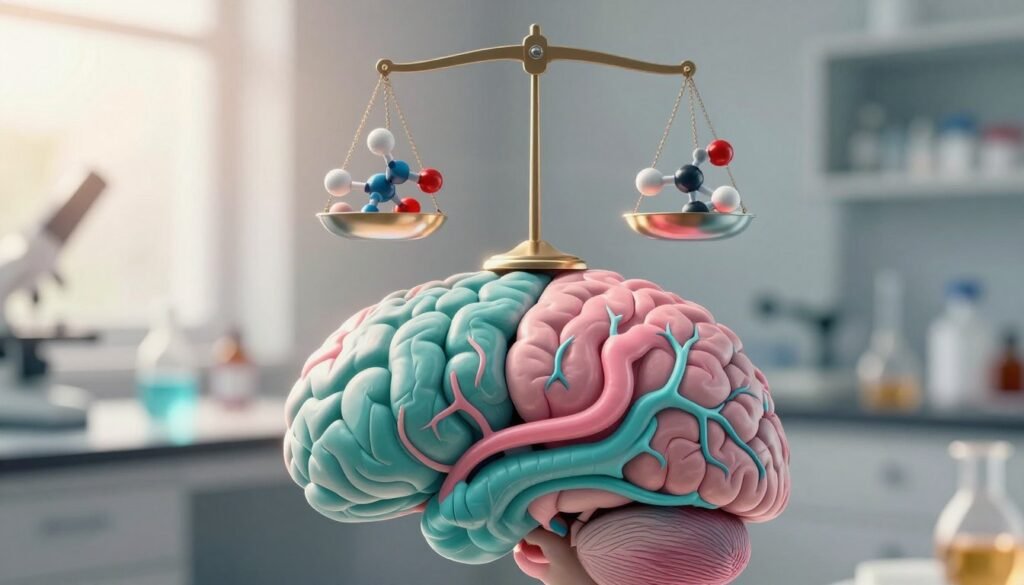
Estrogen receptors rise in the thalamus, prefrontal cortex, and hippocampus during the transition to menopause. That shift links directly to changes in thinking, emotional control, and sleep.
Serotonin, dopamine, and glutamate often decline alongside estrogen. This can lower motivation, reduce focus, and make stress feel sharper.
“The brain’s remodeling can be chaotic; recognizing it helps you respond with care.”
Progesterone normally buffers the stress response. As it falls, cortisol can increase, bringing racing thoughts and heightened reactivity.
| Brain area | What changes | Effect on you |
|---|---|---|
| Prefrontal cortex | More estrogen receptors; wiring shifts | Harder to focus and regulate emotion |
| Hippocampus | Structural remodeling | Memory feels less steady, increased sensitivity |
| Thalamus | Receptor density increases | Alters sleep and temperature signals |
Understanding the hormone–brain link helps explain why you may feel more reactive now. Support through nutrition, sleep, and stress management matters. For clinical guidance on mood changes during this transition, see ACOG’s overview and a practical comparison at Vidah Plena.
Distinguishing Perimenopause from Other Mental Health Conditions
Knowing whether your symptoms stem from hormonal transition or a separate disorder guides better care.
Hormonal fluctuation creates a window of vulnerability. You may see psychiatric symptoms that resemble PMDD or major depression. A clear diagnosis matters because treatment differs.
Perimenopause vs. PMDD
PMDD follows a predictable premenstrual pattern. Hormone-related changes during the transition are less tied to a cycle and more to ongoing decline in estrogen.
Anxiety and Depression
Symptoms overlap: panic, low energy, and irritability can come from either cause. Women with prior major depressive disorder are about three times more likely to relapse during this life stage. Consult a specialist to rule out primary depression or anxiety disorders.
ADHD and Cognitive Changes
Memory lapses and focus problems can mimic ADHD. Brain remodeling and lower dopamine often explain these shifts. A professional evaluation helps separate cognitive effects from a longstanding attention disorder.
- When to seek help: if symptoms persist or disrupt daily life.
- Why it matters: accurate diagnosis targets hormonal or psychological treatments correctly.
| Condition | Key feature | Clinical step |
|---|---|---|
| Hormone-related transition | Ongoing, variable timing; linked to sleep and hot flashes | Track symptoms; consider hormonal review |
| PMDD | Severe, cyclic premenstrual pattern | Cycle charting; gynecologic care |
| Major depression / anxiety | Persistent low mood or anxiety, functional loss | Mental health assessment; therapy or medication |
| ADHD vs. cognitive change | Longstanding attention issues vs. recent decline | Neurocognitive testing; rule out sleep or medical causes |
“A precise diagnosis helps you get care that treats the root cause, not just the symptoms.”
Lifestyle Strategies for Emotional Balance
You can use lifestyle tools to reduce stress and support your brain through hormonal change. Small habits build resilience and cut the intensity of mood changes and other symptoms.
The Importance of Sleep Hygiene
Good sleep is your first line of defense. Keep your bedroom cool — around 67 degrees — to lessen night sweats and protect deep sleep.
Aim for at least 150 minutes of moderate activity each week. This exercise helps preserve bone health and steadies your energy and emotional regulation.

Try yoga or other mind-body practices to calm the stress response. Limit alcohol, which can break sleep cycles and worsen irritability or low mood.
- Keep a regular sleep-wake time and get morning sunlight to reset your internal clock.
- Break activity into short sessions across the week to reach 150 minutes without strain.
- Combine therapy or mindfulness with these lifestyle steps for stronger results.
“Lifestyle changes are foundational — you can pair them with medical options for a complete plan.”
Evidence-Based Medical Treatment Options
When lifestyle care falls short, evidence-backed medical options can help you feel steadier. Hormone therapy (MHT) is one such option. It can lift mood, support bone and heart health, and ease hot flashes by restoring estrogen and related levels.

A 2025 Cambridge study found that transdermal estradiol with testosterone led to a 44% reduction in depressive symptoms. This is strong clinical evidence that targeting hormone gaps can reduce depression and other symptoms.
When MHT is not suitable, antidepressants such as SSRIs and SNRIs are effective. They can stabilize serotonin and help control anxiety and hot flashes. Talk with your clinician about risks, benefits, and your personal health history.
- Work with a provider to choose MHT or medication based on your risk profile.
- Combine medical care with yoga or exercise to improve sleep and brain resilience.
- Monitor progress closely and report any new or worsening symptoms.
| Treatment | Main benefit | When considered |
|---|---|---|
| Hormone therapy (MHT) | Improves mood & reduces hot flashes | When no major contraindications exist |
| SSRIs / SNRIs | Stabilize mood and reduce hot flashes | If MHT is unsuitable or as adjunct therapy |
| Exercise, yoga | Boosts serotonin and dopamine; improves sleep | With any medical plan for added resilience |
“Discuss options openly so you get care that matches your health goals.”
For guidance on differentiating conditions, see PMDD and perimenopause differences.
The Role of Nutrition and Anti-Inflammatory Habits
Nutrition is a powerful tool to protect brain health as hormone levels shift. Focus on whole foods that cut inflammation and support steady energy.
Start by adding healthy fats and lean protein. Avocado, olive oil, salmon, and beans supply fats and amino acids your body needs. Diets rich in these foods link to lower anxiety and depression in midlife women.
- Anti-inflammatory pattern: olive oil, nuts, leafy greens, and fatty fish protect brain cells and stabilize mood.
- Protein and fiber: beans, lentils, and salmon support blood sugar and sleep quality.
- Limit triggers: cut excess sugar, caffeine, and alcohol to reduce hot flashes and energy crashes.
Keeping a healthy body weight through balanced meals also lowers the frequency of common symptoms. Your food choices play a key role in managing inflammation and stress reactions.
For daily practical tips that fit this approach, see a helpful self-care routine you can adapt to your life.
“Small, consistent changes in what you eat can have a big impact on how you feel.”
When to Seek Medical Help
Persistent changes in how you feel deserve a clinical check — early care often gives faster relief.
If your mood swings, anger, or feelings of depression start to interfere with work, family, or daily tasks, see a clinician.
Contact a provider right away if you have severe anxiety or any thoughts of self-harm. Emergency services or a mental health professional can provide immediate support.
Talk to your doctor if sleep problems or other symptoms linked to perimenopause are not improving with lifestyle steps. A clinician can review options such as therapy, antidepressants, or hormone-based care.
- You should seek help when symptoms are persistent and reduce daily functioning.
- Early intervention limits escalation and helps you regain balance faster.
- Asking for help is a proactive step for your long-term health.
| Sign | What it may mean | Next step |
|---|---|---|
| Ongoing low mood or anger | Possible clinical depression or hormone-related changes | Primary care or mental health evaluation |
| Severe anxiety or self-harm thoughts | Immediate safety risk | Call emergency services or crisis line |
| Poor sleep despite self-care | Worsens mood and stress | Sleep-focused medical review; consider therapy or meds |
For clinical context and research guidance, see this clinical review that discusses mood and mental health in midlife women.
“Seeking professional support is a sign of strength and a step toward better health.”
Risks and Limitations of Current Approaches
Not every treatment fits every person. You should know the main limits of current care so you can ask better questions and get safer results.
One common concern is that clinicians may reach for antidepressants before discussing hormone-based options. That can leave the underlying biology unaddressed for some women.
- Evidence on how estrogen and related therapies change brain receptor density is still emerging.
- Diagnostic tools may miss the full complexity of hormonal shifts in the nervous system.
- All medical choices carry risks; a personalized plan matters given your history.
- More long-term studies are needed across diverse groups to clarify benefits and harms of hormone therapy.
| Limitation | Why it matters | What you can do |
|---|---|---|
| Over-prescription of antidepressants | May treat symptoms without addressing hormone gaps | Ask about hormone review and combined care |
| Limited long-term data | Unclear effects on cognition and receptor changes | Request follow-up plans and risk discussion |
| Incomplete diagnostics | Tests may not reflect real-time endocrine shifts | Keep symptom logs and seek second opinions |
| Research gaps in diverse populations | Findings may not apply to everyone | Choose care informed by the latest studies |
“Know the limits of care so you can be an informed advocate for your health.”
Be proactive: review options with your clinician, balance risks and benefits, and stay updated on new evidence about antidepressants, hormone approaches, and the broader science of changes menopause brings.
Conclusion
To wrap up, remember that small, consistent actions make the biggest difference as your body and brain adjust during this transition.
Be patient and kind to yourself. Use evidence-based lifestyle steps and consider medical options like hormone therapy when needed to improve your overall mood and energy.
There are many practical ways to find balance — from sleep and exercise to therapy or medication. Tracking symptoms helps you and your clinician choose the best path.
You are not alone. The mood swings and shifts you notice are real. Prioritizing your health now gives you a clearer, steadier next chapter in life.
FAQ
What causes emotional changes during the transition to menopause?
Hormonal shifts, especially falling and fluctuating estrogen and progesterone, affect neurotransmitters like serotonin and dopamine in your brain. Those changes, combined with sleep disruption, stress, and life events, can make your emotions feel more intense and less predictable.
How quickly can you notice changes in your emotional health?
Some women notice shifts over weeks, while for others it happens gradually over months or years. Episodes can last minutes to days and are often tied to sleep quality, stress levels, and hormone fluctuations.
How do estrogen fluctuations affect your brain and mood?
Estrogen influences serotonin and other mood-regulating chemicals, plus cognitive function. When levels drop or vary, you may experience irritability, anxiety, brain fog, or low energy. Improving sleep and nutrition can help stabilize those effects.
Can life stress and fatigue make emotional symptoms worse?
Yes. Chronic stress raises cortisol and disrupts sleep, which amplifies emotional reactivity. Managing stress through exercise, mindfulness, and better sleep hygiene reduces symptom severity and helps you cope more effectively.
How can you tell if symptoms come from the menopausal transition or another condition?
Look at timing and accompanying signs. If emotional shifts align with irregular periods, hot flashes, or night sweats, they may be linked to hormonal change. But persistent depression, panic attacks, or cognitive decline merit evaluation for mood disorders, anxiety, or ADHD by a healthcare provider.
What’s the difference between menopausal-related emotional changes and PMDD?
PMDD follows a clear premenstrual cycle pattern and resolves after your period starts. Emotional changes during the transition often relate to unpredictable hormone levels and may not follow the monthly pattern. Tracking symptoms and cycles helps clarify the cause.
Can anxiety and clinical depression be triggered during this transition?
Yes. Hormonal shifts can reveal or worsen anxiety and depression. If you experience persistent sadness, hopelessness, suicidal thoughts, or severe anxiety that interferes with daily life, seek prompt medical care and mental health support.
Do attention and memory problems mean you have ADHD?
Not necessarily. Brain fog and concentration issues are common with hormonal change, sleep loss, and stress. If lifelong attention issues or significant functional impairment exist, discuss ADHD assessment with a clinician to distinguish causes.
How important is sleep for regulating emotions during this stage?
Sleep is crucial. Poor sleep worsens emotional volatility, reduces resilience, and impairs cognition. Prioritize consistent sleep schedules, a cool dark room, and limit alcohol or screen time before bed to protect your mood and energy.
What medical treatments are evidence-based for emotional symptoms?
Options include low-dose antidepressants, cognitive behavioral therapy, and hormone therapy tailored to your risks and goals. Selective serotonin reuptake inhibitors (SSRIs) can help anxiety and depression; hormone replacement therapy may ease mood symptoms for some women. Discuss benefits and risks with your clinician.
Can nutrition and anti-inflammatory habits help stabilize your emotions?
Yes. A balanced diet rich in healthy fats, lean protein, whole grains, and anti-inflammatory foods like fatty fish and leafy greens supports brain health. Reducing alcohol, refined sugar, and processed foods can also lower symptom intensity.
Are exercise and lifestyle changes effective for emotional balance?
Regular aerobic exercise, strength training, and mind-body practices like yoga reduce stress, boost dopamine, and improve sleep. Small, consistent lifestyle shifts often yield meaningful improvements in mood and energy.
When should you seek medical help for emotional symptoms?
See a clinician if symptoms are severe, last more than two weeks, disrupt work or relationships, or include thoughts of self-harm. Also seek care if you have suicidal ideation, intense panic, or sudden cognitive decline.
What are the risks and limits of current treatments?
Medications can cause side effects and may not fully resolve symptoms. Hormone therapy has benefits but carries risks depending on your medical history. Psychotherapy requires time and engagement. A personalized plan that combines approaches usually works best.