

Do you wake up soaked in night sweats or feel your mood crashing for no reason? This frustrating transition is a normal part of your journey that millions of American women face. With roughly 2 million women reaching menopause each year, you are not alone in this change.
Our women health guide provides a clear, science-backed path through a 17 billion dollar market filled with loud promises. Dr. Helloyze Ferreira Ancelmo (CRM-GO 31293) medically reviewed this resource to ensure you receive reliable facts. It draws on the same rigor used in our evidence-based guide for women dealing with hormonal shifts.
Finding the best supplements for perimenopause requires looking at real data rather than marketing hype. You will discover how to protect your bone health and keep muscle mass as you enter this new stage of life. Empower yourself with the right tools to stay strong and confident throughout this process.
Key Takeaways
- Approximately 2 million women in the United States reach menopause every year.
- The menopause support market is currently valued at over $17 billion globally.
- Muscle mass decline can start as early as age 30, making proactive care vital.
- Medically reviewed evidence helps you separate real solutions from “menowashing” hype.
- Nutritional support works most effectively when paired with lifestyle changes.
- This guide provides actionable data on dosing, safety, and ingredient quality.
Quick Answer
Navigating the world of perimenopause doesn’t have to be confusing when you focus on science-backed choices. While many products claim to fix every issue, only a few supplements have robust research to prove they work for your body.
Research confirms that creatine (3-5g), protein (80-100g), vitamin D3, calcium, omega-3s, and fiber (25g) are the most effective tools. These supplements work alongside resistance training to support your muscle mass and bone density. You will see the best results when you combine them with a nutrient-rich diet.
Choosing the best supplements for menopause symptoms helps manage common symptoms while protecting your long-term health. This science-based approach ensures you feel strong and vibrant during perimenopause. Unlike generic blends, this method focuses on what truly matters for your longevity and quality of life.
Key Takeaways
To help you thrive, we have distilled the most important facts about perimenopause into these key takeaways. Navigating this transition requires clear information so you can make empowered choices for your health.
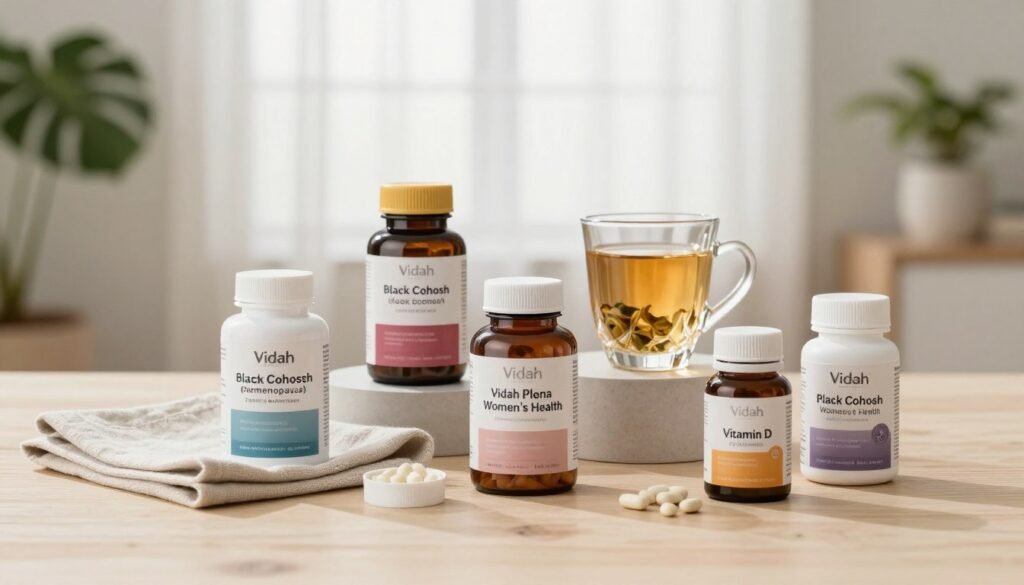
The Menopause Society notes that many herbal remedies are no more effective than a placebo. Understanding the science helps you avoid marketing traps and focus on what truly works for women.
- Only six supplements, including creatine, protein, and vitamin D3, have strong evidence to support your body.
- Popular herbal blends often lack scientific backing and may even pose safety risks to women.
- Prioritize resistance training and foundational nutrition to make the most of your efforts during this time.
- Look for USP or NSF certifications to ensure the quality and purity of the products you choose.
- Consult your healthcare provider, especially if you need to distinguish between pmdd and perimenopause symptoms.
The 2023 position statement on non-hormonal therapies does not consider herbal supplements effective for menopause relief.
| Focus Area | Top Recommendation | Evidence Level |
|---|---|---|
| Muscle & Brain | Creatine | Strong |
| Bone Density | Vitamin D3 & Calcium | Strong |
| Inflammation | Omega-3 Fatty Acids | Moderate |
| Digestive Health | Fiber | Strong |
Understanding Perimenopause: What's Happening in Your Body
As you navigate the transition into perimenopause, your body begins a complex hormonal dance. This phase typically starts in your mid-40s and can last for several years. It is a natural bridge to the next stage of your life.
You reach the milestone of menopause only after you go twelve consecutive months without a period. Until then, you are in a state of flux. During this time, your levels of progesterone and other regulators vary wildly.
The Hormonal Transition Explained
In this stage, your perimenopause experience is driven by shifting hormone production. These changes are not a simple linear decline but a series of unpredictable spikes and drops.
When estrogen begins its eventual decline, it impacts more than just your ovaries. This vital chemical acts as a natural anti-inflammatory agent. Without it, you may notice increased inflammation that affects your brain and joints.
Common Symptoms You May Experience
Fluctuating chemicals often trigger symptoms that can disrupt your daily routine. Many women report sudden hot flashes and intense night sweats that make resting difficult.

You might also experience a significant impact on your mood and mental clarity. These symptoms occur because your brain is adjusting to a new chemical environment. Problems with sleep are also frequent during this period of adjustment.
Why Your Nutritional Needs Change After 40
As you age, your physical requirements shift because your metabolism slows down. Most women begin losing muscle mass as early as their 30s. This loss often accelerates during the years leading up to menopause.
Lower estrogen levels also put your bone density at risk. Your body becomes less efficient at absorbing the minerals it needs to stay strong. High-quality nutrition becomes your best tool for maintaining your long-term health and vitality.
The Truth About Supplements vs. Medication
It is important to distinguish between daily nutritional support and medical treatments. Evidence-based supplements help fill the gaps in your diet and support your symptoms naturally. They provide the raw materials your body needs to function well during perimenopause.
In contrast, hormone replacement therapy (HRT) directly replaces what your system no longer makes. These changes in your care plan should always be discussed with a professional. Combining lifestyle changes with the right support can help you feel your best.
“Perimenopause is not a disease to be cured, but a life transition to be managed with grace, strength, and the right knowledge.”
Best Supplements for Perimenopause: The Evidence-Based Top 6
While your body undergoes significant changes, these six powerhouse supplements offer the reliable support you need to thrive. Science reveals that specific nutrients can bridge the gap as hormone levels shift. By focusing on evidence-based options, you can maintain your vitality and protect your future health effectively.
1. Creatine: For Muscle, Bone, and Brain Health

Why Women Over 40 Need Creatine
Most women have 70-80% lower creatine stores than men. This gap grows wider as you age, making it harder to keep your strength. Creatine acts as a backup battery for your cells, helping them produce energy quickly.
Scientific Evidence and Benefits
Research shows that this supplement improves muscle function and bone health. When you combine it with lifting weights, it may even help your brain stay sharp. Recent studies suggest it can also support a steady mood during hormonal dips.
How to Take It: Dosage and Timing
You only need 3 to 5 grams of creatine monohydrate every day. The timing does not matter, so you can take it whenever you remember. It dissolves easily in water or your favorite morning smoothie.
What to Look For When Buying
Always choose a product that uses a water-based wash during production. Avoid acid-washed versions to prevent stomach upset or bloating. Look for a “micronized” label for the best mixing experience.
2. Protein: Essential for Muscle Maintenance
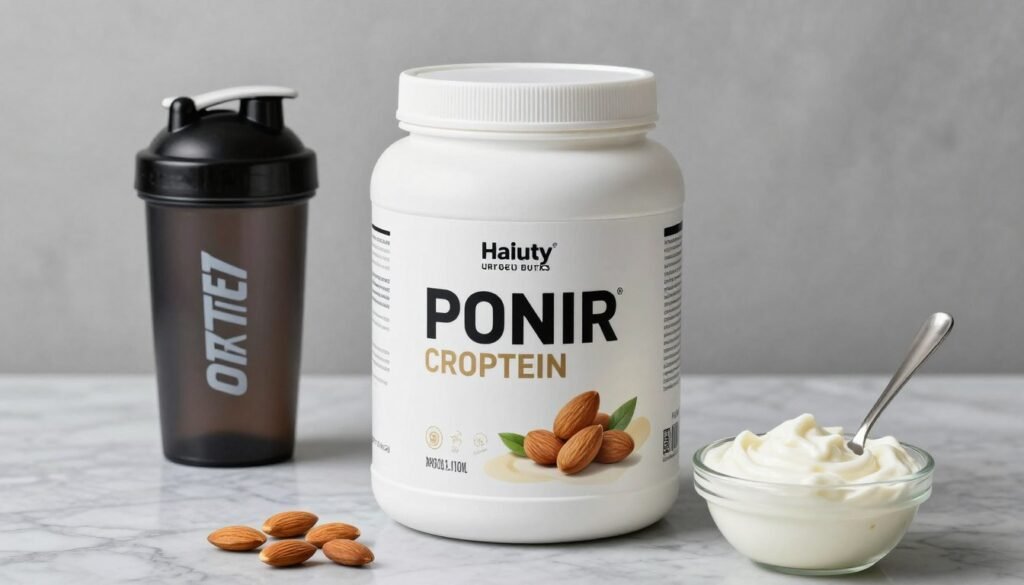
Your Increased Protein Requirements
Your body becomes less efficient at using protein as you get older. This is called “anabolic resistance.” To keep your muscles strong, you need to eat more protein than you did in your 20s.
Complete vs. Incomplete Proteins
Complete proteins contain all the essential amino acids your muscles need to repair. Whey, soy, and pea protein are excellent complete choices. Collagen is popular but it does not count as a complete source for muscle building.
Daily Target: 80-100 Grams
Aim for 1.2 to 1.6 grams of protein for every kilogram of your weight. For most women, this means hitting a target of 80 to 100 grams daily. Try to spread this amount across all your meals for the best results.
Choosing the Right Protein Powder
Pick a powder with minimal added sugars or artificial fillers. If you prefer plant-based options, ensure it blends different sources like pea and rice. This ensures you get the full range of nutrients for health.
3. Vitamin D3: Supporting Bones and Muscles
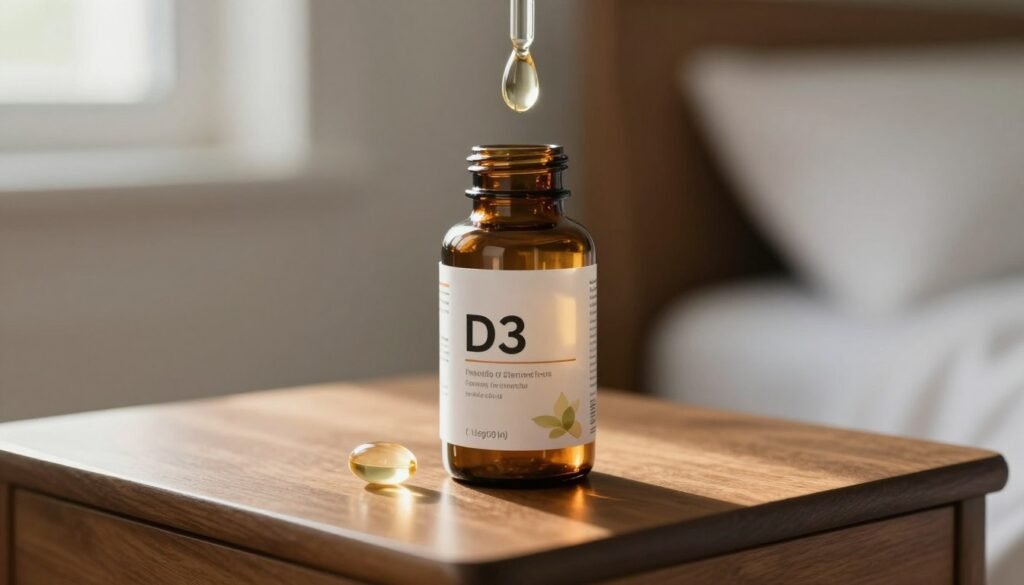
How Vitamin D Works with Declining Estrogen
Estrogen helps your body use vitamin D. As your estrogen drops, your vitamin D becomes less effective at keeping your bones strong. Low levels are often linked to muscle weakness in your 40s.
Optimal Dosage Range
Most experts recommend taking between 800 and 4,000 IU of vitamin D3 daily. This supplement also plays a role in helping your body absorb iron. Checking your blood levels with a doctor can help you find your perfect dose.
Taking It with Fat for Better Absorption
Vitamin D is fat-soluble, which means it needs fat to move into your system. Take your dose with a meal that contains healthy fats like avocado or olive oil. This simple step ensures you get the maximum benefits.
4. Calcium: Protecting Your Bone Density
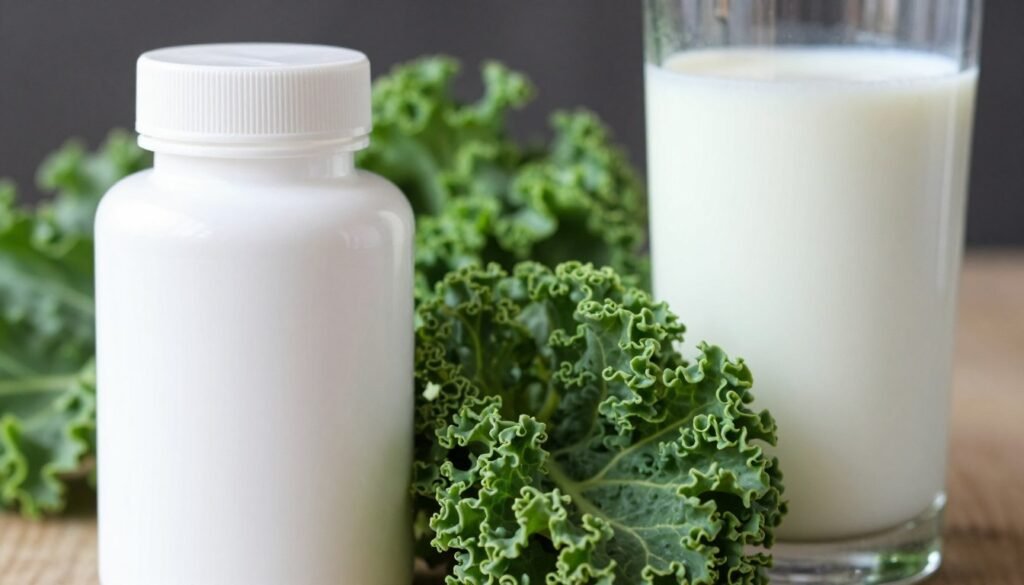
Daily Requirements for Women in Their 40s
You need about 1,000 mg of calcium every day to protect your bone density. Without enough estrogen, your bones can lose minerals faster than they can replace them. This makes calcium a vital part of your daily diet.
The Balance Between Too Little and Too Much
More is not always better when it comes to this mineral. Taking too much calcium can sometimes lead to issues in your arteries. Aim to get as much as you can from food before adding supplements.
Best Food Sources and Supplementation
Dairy, leafy greens, and sardines are great natural sources. If you use a supplement, calcium citrate is often easier on the stomach. It also absorbs well even if you take it without food.
5. Omega-3 Fatty Acids: Fighting Inflammation
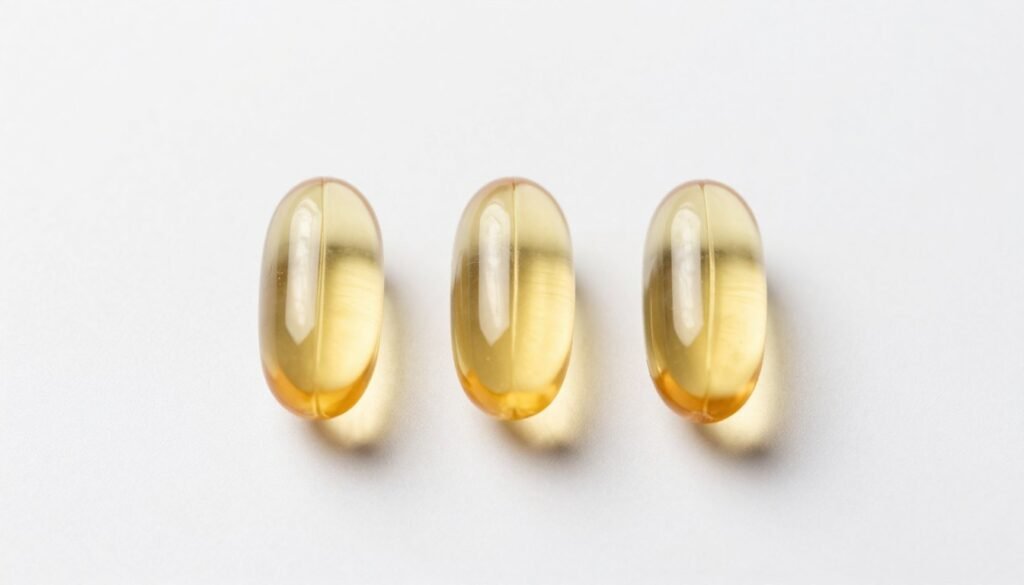
Why Anti-Inflammatory Support Matters Now
Estrogen naturally protects you from inflammation, but those protections fade during perimenopause. Omega-3 fatty acids act as a natural shield. They may help soothe joints and support your overall health.
Benefits for Brain, Muscle, and Heart Health
These healthy fats support your brain and help your heart stay flexible. They even help your muscles build new protein more effectively. Research suggests they help reduce the risk of memory issues later in life.
Choosing High-Quality, Purified Fish Oil
Look for “purified” fish oil to ensure it is free from heavy metals. Check the label for high amounts of EPA and DHA, as these are the most active acids. Freshness is key, so avoid any pills that have a strong, fishy smell.
6. Fiber: For Gut Health and Blood Sugar Control
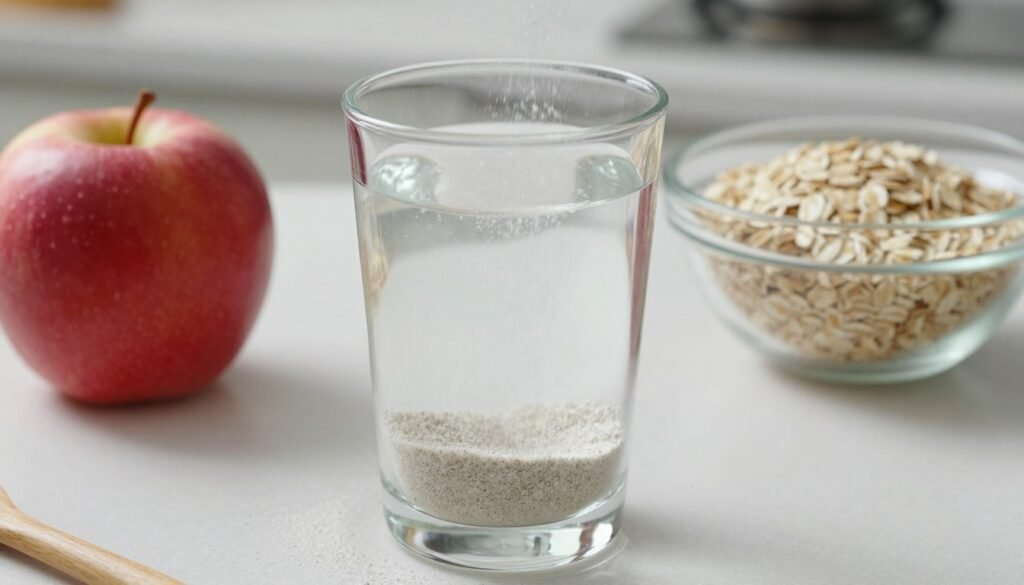
The 25-Gram Daily Target
Eating 25 grams of fiber every day helps keep your blood sugar stable. This is crucial for managing the weight changes often seen in your 40s. It also helps your body clear out excess hormones through your gut.
Food First Approach
Start with beans, lentils, berries, and whole grains to hit your goal. These foods provide more than just fiber; they offer essential vitamins too. A diverse diet is the best foundation for a happy digestive system.
When to Consider Supplementation
If you cannot reach 25 grams through food, a supplement like psyllium husk is a great tool. It is gentle on the body and supports heart health by lowering LDL cholesterol. Always drink plenty of water when you increase your fiber intake.
Supplements with Limited or No Evidence: What to Avoid
You deserve to know which products are simply clever marketing and which ones truly offer health benefits. Not every bottle on the shelf has the science to back up its claims. Identifying these unproven supplements helps you save money and protect your body.
The global market for perimenopause relief is worth $17 billion. This massive industry often tries to convince you that feeling better is as easy as taking a pill. However, many of these products have never undergone rigorous testing or clinical trials.
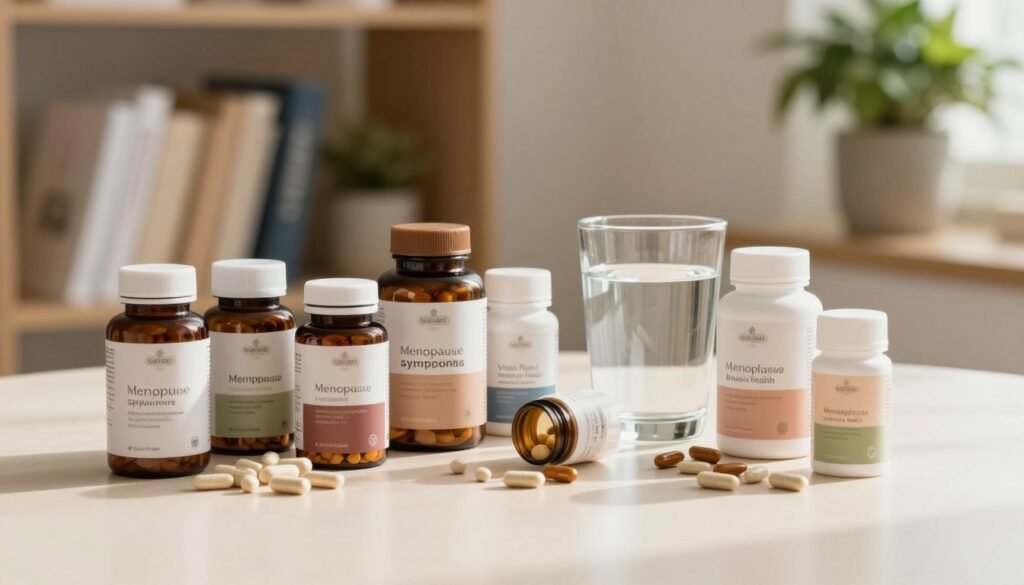
The "Menowashing" Problem: Marketing vs. Science
Experts call the current marketing trend “menowashing.” It occurs when companies use celebrity endorsements to sell products that lack scientific proof. Many of these remedies are not FDA-approved, meaning there is no guarantee they are even safe for daily use.
The Menopause Society’s 2023 position statement considers no dietary supplements or herbal remedies effective for menopause relief.
If these pills truly resolved hot flashes or boosted libido, they would be classified as potent drugs. Because they are sold as natural aids, they bypass the strict scrutiny required for medical treatments. Most perceived benefits actually come from the placebo effect, which can reduce flashes by up to 30%.
Black Cohosh: Mixed Results and Potential Risks
Black cohosh is a very common herb used by many for temperature regulation. While older studies seemed promising, recent research shows it performs no better than a placebo. Taking black cohosh may also lead to gastrointestinal distress or a skin rash.
There is also a significant risk of liver damage associated with this plant. Cases of acute hepatitis have been linked to its use. Because of these safety concerns, many experts advise women to choose more reliable options for their well-being.
Dong Quai: Traditional Use Without Scientific Support
This herb is a staple in traditional Chinese medicine. Despite its long history, no conclusive evidence proves it helps manage perimenopause symptoms. It is also important to note that it may interact dangerously with blood-thinning medications.
Evening Primrose Oil: Insufficient Evidence
Many people try this popular supplement to find relief from night sweats. Unfortunately, clinical data does not show that it helps with menopause symptoms. Most users do not see a reduction in the total number of flashes they experience each day.
Red Clover: Inconsistent Research Findings
Studies on red clover have produced very mixed results over the years. Some reports suggest a small benefit, while others show no improvement at all for health. Because the data is so inconsistent, it is hard to recommend as a primary treatment.
Soy Isoflavones: Modest Effects at Best
Soy is often praised as a natural way to balance hormones. In reality, it produces very modest effects on cooling the body. While it may help some, it is rarely the miracle solution that marketers claim it to be for women.
"Menopause Support" Blends: Why Experts Warn Against Them
Mult-ingredient support blends are often the most misleading products on the market. These mixtures make it impossible to know the exact dose of each component you are consuming. Experts warn that these blends often contain ineffective ingredients that do nothing to improve your menopause journey or symptoms.
Supplement Comparison: Benefits, Risks, and Evidence Summary
You deserve to know which supplements provide reliable support for your bone health and which ones might pose a risk. Navigating this transition can be confusing, especially when making a pmdd vs perimenopause comparison to determine your exact needs.
By focusing on verified benefits, you can improve your daily function without falling for marketing traps. Let’s look at what the research actually says about common supplements for women.
Evidence-Based Supplements Table
These evidence-based options have clear mechanisms of action. They support your health during the hormone shift through robust clinical data and established safety profiles.

| Supplement | Primary Benefits | Evidence Strength | Recommended Dosage |
|---|---|---|---|
| Creatine | Muscle, bone, and brain health | Strong | 3-5g daily |
| Protein | Muscle mass maintenance | Strong | 80-100g daily |
| Vitamin D3 | Bone and muscle support | Strong | 800-4,000 IU |
| Calcium | Protects bone density | Moderate | 1,000mg daily |
| Omega-3s | Anti-inflammatory support | Moderate | Purified sources |
How to Interpret the Research
Not every supplement study is equal. Prioritize well-designed, peer-reviewed studies with large sample sizes over small, poorly controlled trials or marketing claims.
Always remember that an absence of evidence is not the same as evidence of effectiveness. Your wellness deserves interventions with proven results and known safety profiles.
Unproven Supplements Table
Many popular products lack the scientific support needed to recommend them safely. Be cautious of “menopause support” blends with unknown composition risks that might cause harm.
| Product | Claimed Benefit | Evidence Quality | Potential Risks |
|---|---|---|---|
| Black Cohosh | Hot flash relief | Weak | Hepatitis risk |
| Dong Quai | Hormone balance | None | Blood thinner interactions |
| Evening Primrose | Symptom reduction | Insufficient | Low safety data |
| Red Clover | Estrogen support | Inconsistent | Hormonal interference |
How to Choose Safe, High-Quality Supplements
Finding a high-quality supplement is more than just picking a pretty package from a store shelf. You need to be an informed consumer to protect your health while navigating this unregulated market. Practical knowledge helps you distinguish between science-backed tools and clever marketing.
Understanding FDA Regulation (and Its Limitations)
Unlike prescription medications, the FDA does not approve dietary supplements before they reach the public. This means the agency has not tested them to ensure they work for their stated purpose. Manufacturers are not required to undergo rigorous safety testing, and products may not contain the listed levels of active ingredients.
Third-Party Testing: USP and NSF Certification
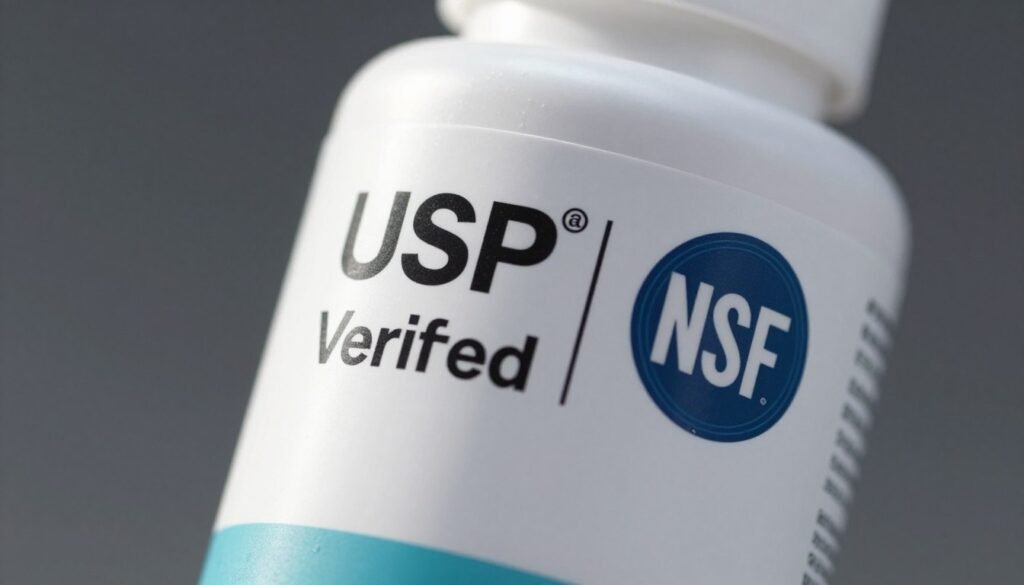
Independent third-party testing is your best defense against contaminants like heavy metals or hidden drugs. Look for the “USP” or “NSF” marks to verify that what is on the label is actually inside the bottle. These certifications provide peace of mind for women seeking purity and accuracy in their daily routine.
Reading Labels: What to Look For
Always check the serving size and the specific amount of each active ingredient. Be wary of unnecessary fillers, binders, or synthetic additives that might trigger adverse effects. Ensure the bottle includes a clear expiration date and contact information for the manufacturer.
Red Flags That Signal Poor Quality
Avoid products that promise “miracle cures” or use “proprietary blends” to hide ingredient amounts. If a brand lacks third-party seals or refuses to provide a Certificate of Analysis, it is a major warning sign. High-quality brands are always transparent about their sourcing and testing methods.
Single-Ingredient vs. Blended Products
Choosing single-ingredient supplements allows you to control your dosage and avoid dangerous interactions. Some “menopause support” blends have been found to contain undisclosed hormone levels, which are risky for breast cancer survivors. Using individual items ensures you know exactly what you are putting into your body.
Watching for Side Effects and Interactions
Monitor your body closely for any new symptoms involving your skin, mood, or digestion. Stop taking any product immediately if you feel unusual or alarming reactions. Always share your complete list of vitamins with your healthcare provider to prevent dangerous interactions with other medications.
Lifestyle Foundations: Making Your Supplements Work Better
True wellness during perimenopause isn’t found in a bottle, but in how you move your body and fuel your life every single day. While certain products offer a helpful boost, they are most effective when they enhance a solid foundation of healthy habits. Think of these interventions as tools for marginal gains that optimize your existing efforts.
Why Supplements Alone Won't Solve Everything
You can view nutrients as the raw materials your system needs to function. However, your daily habits provide the essential signal that tells your system what to do with those materials. Without the right lifestyle triggers, even the best supplements may not reach their full potential.
Resistance Training: The Essential Trigger
Strength training serves as the primary signal for muscle growth and maintenance. Because muscle follows a “use it or lose it” principle, you must lift weights or use resistance bands at least 2-3 times per week. This consistent activity provides the necessary support to maintain bone density and metabolic health.
| Action | Frequency | Primary Benefit |
|---|---|---|
| Resistance Training | 2-3 times weekly | Muscle and bone density |
| Balanced Nutrition | Daily | Stable blood sugar |
| Mindfulness | Daily | Reduced cortisol levels |
Nutrition Basics: Getting It Right First
Your diet should be your primary source of fuel before you look toward the vitamin aisle. Aim for 80-100 grams of protein daily and at least 25 grams of fiber to keep your hormones balanced. Reducing alcohol and caffeine can also help you manage common perimenopause issues like hot flashes.
Sleep Optimization for Hormone Balance
Quality sleep is vital for your body to recover and maintain hormonal harmony. Aim for 7-9 hours of rest each night by keeping your bedroom cool and dark. Using moisture-wicking pajamas can help you stay comfortable if night symptoms or temperature changes disrupt your rest.
Stress Management and Mindfulness Practices
Mindfulness helps women cope more effectively with the physical distress of hot flashes. Practicing deep breathing or yoga can significantly lower your cortisol levels and improve your mood. These simple practices ensure that your nervous system stays calm during this transition.
The Synergy Between Diet, Exercise, and Supplements
The combination of movement, proper food, and quality sleep creates a powerful synergy for your long-term health. Investing in these lifestyle foundations allows you to thrive as you age. As experts often suggest, foundational habits are the primary solution while other tools offer helpful optimization.
Foundational nutrition and lifestyle remain crucial, with supplementation serving as helpful optimization rather than a primary solution.
Combining Supplements with Medical Treatments
You can safely blend evidence-based supplements with medical treatments like HRT when you coordinate closely with your doctor. Many women find that a combined approach offers the most comprehensive relief during this transition. Using both paths ensures you address both hormonal changes and foundational nutritional needs.
Hormone Replacement Therapy (HRT) and Supplement Use
HRT directly addresses falling hormone levels by replacing what the body no longer produces. Evidence-based perimenopause supplements like Vitamin D3 and protein provide foundational support. These approaches are complementary and often work better when used together.
Antidepressants for Hot Flashes and Mood: What's Compatible
Doctors may prescribe low-dose antidepressants as a treatment for hot flashes and mood changes. These medications generally do not interact with the six core supplements like creatine or fiber. You should still verify every addition with your prescribing physician to stay safe.
Hormonal Birth Control Considerations
Hormonal birth control helps regulate the menstrual cycle and prevent heavy, irregular bleeding. Standard evidence-based supplements typically do not reduce the effectiveness of birth control pills or IUDs. This combination allows you to manage cycles while protecting your bone and muscle health.
Vaginal Estrogen and Systemic Supplements
Vaginal estrogen treats localized dryness with very minimal absorption into your overall system. Because it works locally, it is safe to combine with systemic supplements. This targeted approach helps you manage specific perimenopause symptoms without interfering with other treatments.
Creating Your Personalized Treatment Plan
Every individual experience is different, so your plan must be unique to your history. If you reach menopause before age 45, it is vital to discuss hormone therapy with your healthcare provider. Research shows strong symptoms management benefits for those who start therapy early when safe.
Communicating with Your Healthcare Provider
Bring a written list of all your medications and supplements to every appointment. Include brand names and specific dosages to help your doctor identify any potential risks. Being an active participant in your care helps you find the most effective balance for your needs.
Effective care happens when we bridge the gap between medical science and daily nutritional support.
| Medical Option | Primary Purpose | Compatible Supplements |
|---|---|---|
| Hormone Therapy (HRT) | Systemic symptom relief | Vitamin D3, Calcium, Protein |
| Antidepressants | Mood and hot flash management | Omega-3s, Fiber, Creatine |
| Vaginal Estrogen | Localized dryness relief | All evidence-based options |
| Birth Control | Cycle regulation | Fiber, Vitamin D3, Protein |
When to Seek Medical Help
Your journey through hormonal shifts is unique, and sometimes a expert needs to take the lead. While lifestyle changes and nutrition play a significant role in your health, they cannot replace professional medical advice. If your perimenopause symptoms begin to interfere with your daily routine, it is time to schedule a visit with your doctor.
A gynecologist can assess your specific situation and offer medical solutions that work alongside natural approaches. Even if you choose not to use hormone replacement therapy, a medical professional provides essential safety checks. They ensure that your transition remains a healthy and manageable part of your life.
Symptoms That Require Professional Evaluation
Some red flags require prompt attention from a doctor rather than self-management. You should seek an evaluation if you experience abnormal spotting or bleeding between your period cycles. These can be signs of underlying gynecological issues that need immediate investigation.
Other critical symptoms include severe mood changes, depression, or significant memory problems that affect your safety. Persistent sleep disturbances or debilitating hot flashes also warrant a professional check-up. Never ignore changes that feel “off” or beyond the scope of normal aging.
Before Starting Any New Supplement
You must always consult your doctor before adding a new supplement to your daily routine. This is especially true if you already take medications or have a history of hormone-sensitive conditions. A professional can help you avoid dangerous interactions and ensure your treatment is safe and personalized.
Signs of Adverse Reactions or Interactions
Stop taking any product immediately if you notice alarming physical changes. Watch for skin rashes, digestive pain, or unusual fatigue shortly after starting a new regimen. These could signal an allergic reaction or internal stress on your organs.
Specific signs like yellowing skin or dark urine can indicate liver issues that require urgent care. Even if a reaction is short-lived, it does not mean it was harmless. Contact your doctor to discuss these reactions to prevent long-term damage.
When Symptoms Severely Impact Your Quality of Life
If your quality of life is suffering, you deserve more support than a bottle of pills can offer. Perimenopause should not stop you from performing well at work or enjoying your personal relationships. When your mental or physical functioning feels compromised, medical intervention becomes a necessary act of self-care.
Early Menopause: Special Considerations
Reaching menopause before age 46 occurs in about 5-10% of women. If your periods stop early, you must discuss hormone therapy with a professional to protect your bones and heart. The long-term benefits of medical support during early hormonal shifts are backed by strong scientific evidence.
Finding a Menopause-Informed Healthcare Provider
Finding a healthcare professional who specializes in women health is the best way to feel heard. Look for providers with specific training in midlife transitions and hormonal management. You have the right to advocate for yourself and find a doctor who views your wellness as a priority.
Conclusion
Taking charge of your perimenopause transition starts with making smart, research-backed choices. Use proven supplements like protein and creatine to help your body stay strong.
Strong bones and brain function help women feel better through menopause. Link these science-based tools with a lifestyle that builds your long-term health.
You can thrive with a personalized plan that fits your needs. Dr. Helloyze Ferreira Ancelmo (CRM-GO 31293) reviewed this guide to ensure accuracy and reliability.
FAQ
How can I manage hot flashes and night sweats?
Many women find that omega-3 fatty acids help reduce the intensity of flashes. While some try the herb black cohosh, scientific research shows mixed results. Focus on a healthy diet and consult experts to see what fits your body.
What supports bone health as estrogen levels drop?
During this time, your bones need extra care. Calcium and vitamin D3 play a vital role in maintaining bone health. These nutrients lower the risk of fractures as your hormone levels shift during this life period.
Can these additions improve my sleep and mood?
Yes, these changes may help. Magnesium supports better sleep quality. Since mood changes happen often, keeping stable blood sugar helps you feel balanced during this transition. Using fiber and protein can assist with these daily shifts.
How do I find high-quality items that healthcare experts trust?
Seek quality through third-party testing. Brands like Thorne or Nordic Naturals undergo strict checks. These standards ensure the product offers real benefits. This provides better support for your women health needs without hidden risks.
When is the right age to start thinking about my nutritional needs?
Most people notice symptoms in their early 40s. This age is a great time to adjust your lifestyle. Focusing on whole foods can improve your skin, brain function, and overall life. These habits help manage the effects of aging.