

Do you wake up drenched in sweat or feel like sudden mood swings are taking over your life? Many women in the United States face these frustrating symptoms as they navigate the transition toward menopause. You are not alone in this journey, and your experiences are a natural part of this significant life change.
This comprehensive guide, reviewed by Dr. Helloyze Ferreira Ancelmo (CRM-GO 31293), explores how hormone therapy can restore your vitality. It explains how your body changes when estrogen levels fluctuate during perimenopause. You will discover science-backed solutions that prioritize your long-term health and daily comfort.
We will explore hormone therapy for perimenopause, including various treatment options and lifestyle adjustments. This guide covers nutrition, stress management, and real-life scenarios to help you make informed decisions. By understanding your options, you can reclaim your confidence and feel like yourself again.
Key Takeaways
- Recognize that symptoms like hot flashes and sleep disruptions are very common.
- Learn how medical treatments work to balance fluctuating estrogen levels effectively.
- Identify the differences between systemic and vaginal paths for symptom relief.
- Understand the importance of combining medical care with nutrition and lifestyle.
- Prepare for informed discussions with your healthcare provider about your history.
- Discover evidence-based alternatives for those who prefer non-hormonal approaches.
Quick Answer
Navigating the changes of perimenopause becomes much easier when you consider the balancing power of hormone therapy. It replaces declining estrogen to relieve common symptoms like hot flashes and vaginal dryness. This treatment offers a tailored way to support your physical and mental health during perimenopause.
By using hormone therapy, you can also protect your bone health and manage your unique needs. Work with your healthcare provider to find the best plan for your symptoms using the lowest effective dose for your profile.
Key Takeaways
Navigating the shift toward menopause can feel overwhelming. Knowing these essential facts about hormone therapy helps you decide with confidence. Starting treatment early often yields the greatest benefits for your quality of life.
Certain health conditions can raise your risk for blood clots, heart attacks, or stroke. Younger women usually have fewer concerns when starting treatment near their final period. Always share your full health history with your doctor.
Managing symptoms like hot flashes or sleep issues requires a clear, personalized plan. Reviewing a side-by-side comparison helps you track your specific symptoms. Use recent hormone therapy research to guide your unique menopause journey.
| Treatment Type | Common Forms | Main Advantage |
|---|---|---|
| Systemic Therapy | Pills, Patches, Gels | Treats hot flashes and night sweats |
| Local Therapy | Vaginal Creams, Rings | Targets dryness and discomfort |
| Non-Hormonal | Veozah, Gabapentin | Safe for those with high health risks |
| Lifestyle Support | Diet, Exercise, Sleep | Boosts overall well-being and health |
Understanding Perimenopause and Why Hormone Levels Matter
If you feel like your body is on a roller coaster lately, it is likely due to the significant hormonal shifts of perimenopause. This stage is a natural biological transition that typically begins in your 40s. It marks the time when your ovaries gradually reduce the production of key hormones.

This transition is not a sudden stop but a process that can last between two and eight years. During this window, your internal systems are recalibrating as you move toward menopause. Understanding these changes helps you regain a sense of control over your health and well-being.
You may notice that your menstrual cycles become shorter or much more sporadic. These fluctuations are normal and expected during this phase of life. Empowering yourself with knowledge about your biology is the first step toward finding the right relief.
What Happens to Your Hormones During Perimenopause
In your younger years, your levels remain relatively steady to support reproduction. However, perimenopause brings erratic swings where levels surge and plummet unpredictably. Your ovaries release eggs less regularly, which leads to irregular cycles and decreased fertility.
During this time, you produce variable amounts of estrogen and much less progesterone. Even if your periods are skipped or light, it is important to remember that you can still get pregnant. The steady decline of these hormones eventually leads to the permanent end of menstruation, known as menopause.
How Hormonal Changes Trigger Your Symptoms
The erratic shifts in your body are the direct cause of the physical symptoms you experience. When estrogen levels spike, you might deal with intense PMS, breast tenderness, or bloating. When those levels drop suddenly, you often face hot flashes and night sweats.
The decline in progesterone also plays a major role in how you feel. This change frequently disrupts your sleep quality and contributes to increased anxiety or mood swings. Other common symptoms include vaginal dryness, thinning hair, and changes in urinary frequency.
Tracking your cycles and symptoms provides vital data for your healthcare provider. This information helps them determine the best timing for interventions like hormone therapy. Remember, these changes are real physiological responses and not just in your head.
| Hormone Change | Common Physical Impact | Typical Symptoms |
|---|---|---|
| High Estrogen Spikes | Increased fluid retention | Breast tenderness, bloating, PMS |
| Low Estrogen Drops | Temperature regulation issues | Hot flashes, night sweats, chills |
| Declining Progesterone | Disrupted nervous system | Insomnia, anxiety, mood swings |
| Low Overall Estrogen | Tissue thinning | Vaginal dryness, hair thinning |
What Is Hormone Therapy for Perimenopause?

Hormone therapy serves as a medical bridge that helps you navigate the hormonal shifts of perimenopause smoothly. During this transition, your ovaries begin to produce less estrogen and progesterone. This decline often leads to disruptive symptoms like night sweats and mood changes. You might even find yourself wondering about pmdd or perimenopause as you track your monthly cycles.
This medical treatment effectively replaces the hormones your ovaries no longer produce in adequate amounts. By supplementing these levels, you can find a more stable hormonal balance. This therapy aims to reduce the dramatic fluctuations that cause you physical and emotional distress during your daily life.
How Menopausal Hormone Therapy Works in Your Body
When you begin menopausal hormone therapy, the supplemental hormones act like a key in a lock. These hormones bind to specific receptors throughout your body. These receptors exist in your brain, bones, heart, and various organs. This therapy mimics the natural effects of the estrogen you once produced naturally.
By filling these receptors, the treatment prevents your system from entering a state of “withdrawal.” This process helps maintain bone density and protects your cardiovascular health. Hormone therapy creates a steady internal environment, which stops the sudden spikes and drops that trigger hot flashes.
Types of Hormone Replacement Therapy Available
There is no single “correct” way to take menopausal hormone therapy. Your healthcare provider will help you choose a method based on your symptoms and medical history. You have several options for hormone replacement therapy that can be tailored to your lifestyle preferences.
Some women prefer convenient patches, while others choose daily pills or topical gels. Each delivery method has specific benefits regarding how the hormones enter your bloodstream. Understanding these choices empowers you to make an informed decision for your long-term wellness.
Estrogen-Only Therapy: Who It's For
This version of hormone replacement therapy is specifically for women who have had a hysterectomy. If you no longer have a uterus, you do not need progestin to protect against uterine changes. Estrogen therapy effectively manages common symptoms like hot flashes while providing estrogen directly to your system.
Combined Estrogen and Progestin Therapy
If you still have your uterus, your doctor will prescribe a combination therapy. Progestin is essential because it protects your uterine lining from the effects of estrogen alone. This specific type of estrogen therapy ensures your safety while relieving your perimenopause symptoms.
Systemic Hormone Therapy (Pills, Patches, Gels, Sprays)
Systemic menopausal hormone therapy circulates throughout your entire bloodstream. This method is the most effective way to treat widespread issues like night sweats. You can use estrogen through skin patches or gels if you prefer to avoid swallowing daily pills.
Vaginal Estrogen Therapy (Creams, Rings, Tablets)
If your concerns are localized, vaginal hormone replacement therapy might be the best fit. This low-dose therapy uses vaginal creams or rings to treat dryness and discomfort directly. Very little estrogen enters your blood, making it a lower-risk option for many women.
Science-Backed Benefits of Hormone Therapy for Perimenopause
Choosing to address your perimenopause changes with evidence-based treatments can unlock significant health advantages. Hormone therapy remains the gold-standard treatment for moderate to severe vasomotor symptoms, providing the most effective relief available today.
Research indicates that this therapy may provide an 80-90% reduction in physical distress for most women. By stabilizing your fluctuating hormone levels, you can regain control over your daily routine and emotional well-being.
Immediate Symptom Relief You Can Expect
You do not have to wait many months to feel like yourself again. Most women notice significant benefits within just two to four weeks of starting their treatment plan.
While peak results usually appear by the three-month mark, the initial shift helps you manage your perimenopause symptoms more effectively. You can expect a dramatic decrease in the frequency of hot flashes and night sweats during this early phase.

Hot Flashes and Night Sweats Reduction
Systemic estrogen is incredibly powerful at calming your body’s internal thermostat. This therapy may significantly reduce the intensity of sudden heat bursts and soaking night sweats. By stabilizing your levels, it ensures that hot flashes no longer disrupt your focus or confidence during the day.
Vaginal Dryness and Sexual Comfort
The drop in estrogen often leads to thinning tissues and intimate discomfort. Treatment reverses vaginal dryness by restoring natural lubrication and rebuilding healthy, elastic tissue. This transformation eliminates painful intercourse and addresses vaginal dryness to revitalize your sexual health and comfort.
Sleep Quality Improvement
Restful nights are often a casualty of hormonal shifts and sudden night sweats. By eliminating the internal heat spikes that wake you up, you can finally achieve deep, restorative rest. Reducing these hot flashes helps you wake up feeling energized rather than physically and mentally exhausted.
“Hormone therapy is the most effective treatment for vasomotor symptoms and the genitourinary syndrome of menopause.”
Long-Term Health Benefits
Beyond immediate relief from symptoms, this treatment offers vital protection for your future health. Consistent benefits include improved mood stability and the maintenance of skin elasticity.
Starting hormone therapy early, typically within ten years of menopause, can even support your cardiovascular system. It serves as a proactive strategy for maintaining overall vitality and strength as you age.
| Benefit Area | Primary Improvement | Evidence-Based Outcome |
|---|---|---|
| Temperature Control | Reduced heat spikes | 80-90% Symptom reduction |
| Bone Health | Higher density | 30-40% Fewer fractures |
| Vaginal Health | Natural lubrication | Reversal of tissue thinning |
Osteoporosis Prevention and Bone Density Protection
Protecting your skeletal health is a major advantage of hormone therapy. Estrogen therapy maintains your bone density and reduces your fracture risk significantly. This is crucial because women lose bone mass quickly when cycles end, making osteoporosis a serious concern that osteoporosis prevention strategies must address.
Potential Colon Cancer Risk Reduction
Research suggests that combined estrogen-progestin treatment offers a protective effect against certain types of cancer. Specifically, this therapy may lower your risk of developing colon cancer by approximately 30%. While scientists continue to study these findings, the current data provides an encouraging outlook for your long-term digestive health.
Risks, Side Effects, and Safety Considerations
While hormone therapy offers many benefits, it is vital to understand how your history influences its safety. Talking to your doctor helps you make an informed choice that feels right for your body. Making a balanced decision involves looking at the relief you gain versus potential concerns.
Understanding Your Personal Risk Profile
Your individual risk depends on many factors like your age and personal health history. The “timing hypothesis” suggests that women between 50 and 59 often have a more favorable profile. Starting hormone therapy within ten years of menopause generally carries fewer concerns than starting much later in life.

Potential Health Risks Based on Current Evidence
Modern studies provide a clearer picture of how these treatments affect long-term health. Most risks remain small for younger women, but they are still important to discuss. Every person responds differently to various forms of hormone therapy.
Blood Clots and Stroke Risk: What the Data Shows
Taking oral estrogen can slightly increase the chance of blood clots or a stroke. However, using a patch or gel usually carries a lower risk for these issues. For women in their 50s, the absolute increase in stroke cases is very low.
Breast Cancer Considerations and Risk Factors
Combined therapy shows a small increase in breast cancer considerations after five years of use. Interestingly, estrogen-only options often show no increased risk at all. Regular screenings remain the best way to stay proactive about your health while using breast cancer screening tools.
Heart Disease and Timing of Therapy
Starting early in menopause might actually protect your heart. Conversely, starting after age 60 or ten years after menopause may increase the risk of heart disease. Timing is a crucial factor in your decision to manage heart disease concerns.
Who Should NOT Use Hormone Therapy
You should avoid this treatment if you have a history of breast cancer or endometrial cancer. It is also unsafe if you have had blood clots or liver disease. Always tell your provider if you have had a stroke or a heart attack. Hormone therapy is also not recommended if you are pregnant.
Common Side Effects and Management Strategies
You might experience side effects like bloating, headaches, or breast soreness when you begin. Most of these side effects vanish within six months as your body adjusts to the therapy. If they persist, your doctor can adjust your dose or delivery method to find relief and reduce side effects.
“The FDA recommends using the lowest effective dose for the shortest duration needed to manage symptoms.”
Regular monitoring with your healthcare provider every 6 to 12 months ensures ongoing safety. This allows for timely adjustments to your therapy plan based on how you are responding. Always remember that your safety is the top priority in any treatment plan.
| Risk Factor | Ages 50-59 Consideration | Common Approach |
|---|---|---|
| Blood Clots | Small increase in risk | Transdermal patches preferred |
| Heart Disease | Potential heart protection | Start within 10 years of menopause |
| Breast Cancer | Small risk with combined therapy | Annual mammogram screenings |
| Side Effects | Bloating or headaches | Dose adjustment by physician |
Are You a Good Candidate for Hormone Therapy?
Deciding to begin hormone therapy is a personal choice that depends on your unique medical profile. Every woman’s journey through perimenopause is different, so what works for your friend might not be the best treatment for you.
Ideal Candidates for Hormone Replacement Therapy
You are generally an excellent candidate if you are under age 60 or within 10 years of your last period. Most women who seek this therapy experience issues like night sweats or vaginal dryness.
If these issues significantly lower your quality of life, replacement therapy might offer the relief you need. Women who have had a hysterectomy are often perfect fits for estrogen-only options because they do not require progestin.
Medical Conditions That May Affect Your Eligibility
Some health issues require a deeper discussion with your OB/GYN before starting hormone therapy. Conditions like diabetes, high blood pressure, or a family history of certain illnesses aren’t always deal-breakers.
However, you should avoid this if you have a history of blood clots, stroke, or liver disease. Always share your full medical history to ensure your safety during this phase of life.

| Condition | Candidacy Status | Notes |
|---|---|---|
| Severe Hot Flashes | Excellent | Primary reason for starting |
| Recent Hysterectomy | Excellent | Estrogen-only therapy is safe |
| History of Blood Clots | Contraindicated | Non-hormonal options preferred |
| Controlled Diabetes | Caution | Needs thorough medical discussion |
Real-Life Scenarios: Case Examples
Seeing how others navigate these choices can help you prepare for your own therapy discussion. Real stories provide a practical framework for decision-making and show that alternatives exist for everyone.
Sarah, 47: Severe Hot Flashes with No Risk Factors
Sarah is 47 and struggles with hot flashes that ruin her sleep and work performance. Since she has no major health risks, she started a low-dose estrogen patch. Within a month, her symptoms improved by 80%, giving her her life back.
Michelle, 52: History of Breast Cancer
Michelle is 52 and faces similar symptoms but has a history of breast cancer. Because her cancer was estrogen-receptor-positive, standard replacement therapy is not safe for her. Instead, her doctor recommended non-hormonal therapy to manage her discomfort safely.
Talk to your OB/GYN about what treatment might be best for you based on your symptoms and your health history. If you start hormone therapy, check in with your OB/GYN every year to decide if you should keep taking it.
Comparing Your Treatment Options: What Works Best
Deciding between different medical approaches can feel overwhelming when you just want to feel like yourself again. You deserve to know which treatment works most effectively for your specific needs. Let’s look at how various options compare to help you find relief.
Hormone Therapy vs. Non-Hormonal Treatments
While hormone therapy remains the gold standard for reducing hot flashes by up to 90%, it isn’t the only choice. Some women prefer non-hormonal treatments due to their personal health history or risks. These alternatives usually reduce symptoms by about 40% to 60%, providing a reliable option for many.
| Option | Effectiveness | Best For |
|---|---|---|
| Hormones | 75%–90% reduction | Severe vasomotor symptoms |
| Non-Hormonal | 40%–60% reduction | When hormones are restricted |
FDA-Approved Non-Hormonal Medications
If you cannot take estrogen, the FDA has approved several science-backed medications. These choices target the brain’s temperature center or help balance your mood during this transition. Your doctor can help you decide which non-hormonal therapy fits your lifestyle.
Fezolinetant (Veozah) for Hot Flashes
The government granted approval for this medication in early 2023. It blocks specific receptors in the brain to stop hot flashes without using hormones. This modern therapy offers relief comparable to estrogen but requires occasional liver function monitoring.
Antidepressants (SSRIs) for Mood and Vasomotor Symptoms

SSRIs serve as excellent treatments if you experience both anxiety and temperature spikes. They provide dual benefits by stabilizing your mood while cooling your body. These are especially valuable if you must avoid estrogen due to previous health concerns like breast cancer.
Gabapentin for Hot Flashes and Migraines
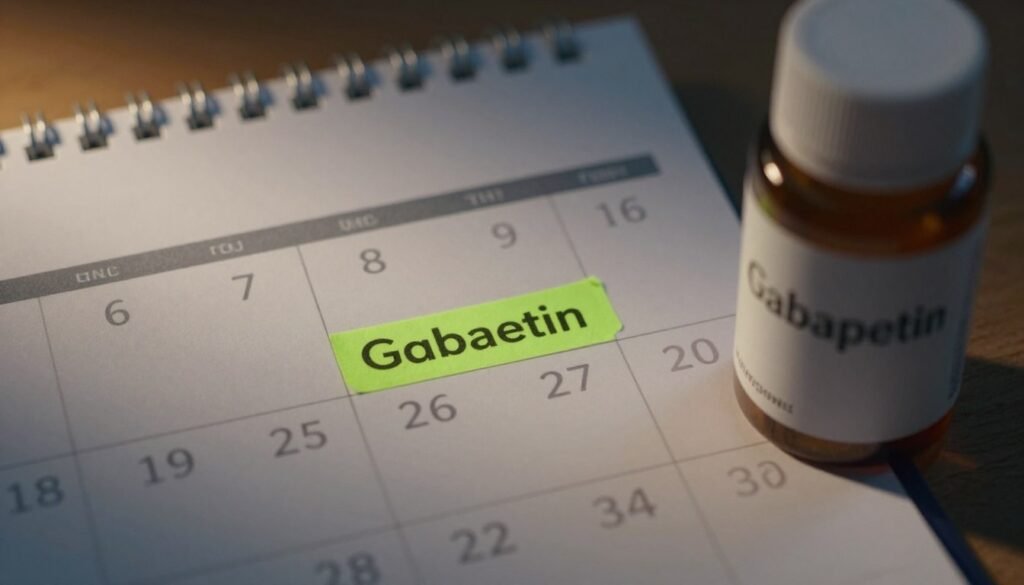
Originally used for seizures, gabapentin significantly reduces the frequency of symptoms. It also helps women who suffer from frequent migraines. Since it may cause drowsiness, taking this therapy at bedtime often improves your sleep quality.
Bioidentical Hormones: Understanding the Controversy
Many seek “natural” relief through bioidentical options made from plants. While FDA-approved bioidenticals like oral progesterone are safe, many compounded mixes lack oversight. The American College of Obstetricians and Gynecologists warns against unregulated pellets and custom mixes.
These custom blends may have inconsistent strengths, posing unnecessary risks to your health. You should always choose regulated hormone therapy over unverified compounded versions. Discussing every treatment choice with a specialist ensures you receive the safest and most effective medication available today.
Lifestyle, Nutrition, and Complementary Approaches
You can take charge of your perimenopause journey by integrating evidence-based lifestyle changes into your daily routine. While medical treatments provide a strong foundation, your habits often determine how quickly you find relief. Small adjustments to your environment and routine can significantly improve your quality of life.
Evidence-Based Lifestyle Interventions
Focusing on daily habits empowers you to manage the transition with confidence and grace. These strategies serve as excellent first-line approaches for mild changes in your body. When you prioritize self-care, you give your body the tools it needs to maintain balance.
Nutrition Strategies for Hormone Balance
You should adopt a Mediterranean diet rich in whole grains, lean proteins, and healthy fats. This balanced diet supports heart health and helps you manage weight during hormonal shifts. Limiting caffeine and alcohol can also reduce the frequency of sudden hot flashes.
Exercise Recommendations for Perimenopause
Regular exercise keeps your bone density high and boosts your overall mood. You should aim for 150 minutes of cardiovascular activity each week to support your metabolism. Adding weight-bearing exercise, such as walking or resistance training, protects your skeleton as estrogen levels decline.
Sleep Optimization Techniques
To avoid interrupted sleep, keep your bedroom temperature between 65 and 68°F. Use breathable cotton or linen bedding to stay cool and prevent discomfort from night sweats. Establishing a consistent schedule ensures you get the quality sleep necessary for cellular repair and mental clarity.
Stress Management and Mental Health Support
Managing stress through yoga or mindfulness meditation can lower your cortisol levels and improve your mood. Chronic stress often makes anxiety symptoms feel more intense during this life stage. These practices help you maintain a sense of calm and perspective throughout the day.
Supplements: What the Science Says
Many active women look for specific supplements to fill nutritional gaps when their appetite or needs change. It is vital to choose products backed by clinical evidence to ensure safety and effectiveness. You can explore our guide to supplements for women’s hormonal health to help you make informed decisions.
Vitamin D and Calcium for Bone Health
Taking vitamin D and calcium is a proven way to support your skeletal structure. These nutrients work together to keep your frame strong and resilient against age-related changes. Most women require these extra minerals if they do not get enough through their daily meals.
Phytoestrogens and Plant-Based Options
Foods like soy, chickpeas, and flaxseeds contain plant compounds that act like weak estrogens. While these are great additions to a healthy meal plan, they may not manage menopause symptoms effectively for everyone. Use them as part of a varied menu rather than a primary medical treatment.
Non-Prescription Vaginal Care Solutions
You can use water-based lubricants and moisturizers to address dryness and improve comfort during intimacy. These simple tools support your vaginal health without the need for a doctor’s prescription. Additionally, performing pelvic floor exercises daily helps maintain muscle tone and prevents common urinary issues.
| Strategy | Daily Action | Primary Benefit |
|---|---|---|
| Nutrition | High-fiber, low-fat foods | Heart Health |
| Movement | Strength training 2x weekly | Bone Density |
| Rest | Cool room (65-68°F) | Better Sleep |
| Self-Care | Mindfulness or Yoga | Reduced Anxiety |
When to Seek Medical Help

Sometimes, managing your daily comfort requires a direct conversation with a specialized healthcare expert. Prioritize talking to your OB/GYN about which treatment is right for your unique health history.
Should you start hormone therapy, schedule a check-in with your provider every year. This annual routine ensures your medical care remains safe and effective as your body continues to change.
Symptoms That Require Immediate Medical Attention
Get emergency medical help for sudden chest pain, difficulty breathing, or severe headaches paired with vision changes. These critical red flags could indicate heart problems, a stroke, or blood clots.
Watch for leg pain accompanied by swelling or warmth, which requires an urgent evaluation. You should also seek care quickly for unexplained vaginal bleeding, especially if your periods had previously stopped for over a year.
For non-emergency concerns like breast lumps, suspected infections, or severe depression, aim to see a doctor within a few days. Even if your symptoms are not emergencies, you deserve relief from anything that disrupts your daily life.
How to Prepare for Your Healthcare Provider Visit
Track your symptoms for two to four weeks before your appointment to provide your care team with concrete data. Note the frequency, severity, and any specific triggers you observe during this time.
Prepare a complete history of your medications, supplements, and family history regarding heart disease or breast cancer. List your most important questions first to ensure your provider addresses your primary concerns during the limited appointment time.
If you feel overwhelmed, consider bringing a trusted friend or partner for emotional support. Learn more about advocating for your healthcare needs in our guide to navigating women’s health appointments.
Conclusion
Your path to feeling like yourself again starts with the knowledge you have gained today. You now possess the power to make informed decisions regarding your health. While this transition brings challenges, remember that your symptoms are highly treatable.
Whether you select hormone therapy or alternative options, effective solutions exist for every individual. This process is unique, so prioritize your perimenopause care by partnering with a healthcare provider who respects your preferences.
Don’t settle for “toughing it out” when a personalized treatment plan can restore your vitality. Contact your physician to discuss your options and maintain your quality of life. You deserve to feel strong because women should never suffer in silence—effective, personalized solutions await to help you feel like yourself again.
FAQ
How can I manage hot flashes night sweats?
Taking estrogen is very effective. It cools your body and reduces flashes night. Many women find relief from these symptoms quickly. Using a patch or cream like Estrace can stabilize your temperature. This help allows you to sleep better through the time of transition. You will notice that hot flashes night after night begin to fade.
What is the risk regarding blood clots and heart disease?
Some oral treatments might increase risk of blood clots. However, menopausal hormone therapy may actually protect your heart. Studies from the North American Menopause Society show that timing is key. This estrogen therapy supports your long-term health and lowers disease chances.
Can these medications cause breast cancer?
Concerns about breast cancer and breast health are common. Data shows that estrogen alone carries a low risk. If you still have a uterus, you will need progestogen to prevent cancer. Doctors at Pfizer note that your personal history and age matter when weighing side effects.
How do I treat vaginal dryness?
Lower levels from the ovaries often cause vaginal dryness. This makes the vagina feel sore. Local care with a product like Vagifem works well. It treats dryness without impacting the whole system. This is a safe and encouraging choice for your comfort.
Does this help prevent osteoporosis?
Definitely. Starting a hormone replacement plan is a leading way to prevent osteoporosis. It keeps bones strong and reduces breaks. This treatment ensures your skeleton stays healthy as you grow older. It is a great strategy for staying active and strong during your golden years.