

Perimenopause vs Thyroid Problems: How to Recognize the Difference
Discover how to distinguish perimenopause vs thyroid problems with key symptom comparisons and when to seek medical advice for your health.
Perimenopause is the transitional phase leading up to menopause, typically beginning in a woman’s 40s — though it can start earlier. During this time, fluctuating levels of estrogen and progesterone can trigger a wide range of mental health symptoms that are frequently overlooked, dismissed, or misattributed to stress, aging, or other conditions. These include anxiety, depression, brain fog, mood swings, irritability, sleep disturbances, and a sense of losing one’s identity or emotional stability. At Vidah Plena, we are committed to closing the information gap around perimenopause and mental health. Our content is designed to help women recognize what is happening in their bodies and minds, understand the hormonal science behind their symptoms, and find compassionate, evidence-informed pathways to support and treatment. Perimenopause is not just a physical transition — it is a profound psychological and emotional experience that deserves serious attention. You deserve to feel informed, supported, and empowered throughout this chapter of your life.
Discover how to distinguish perimenopause vs thyroid problems with key symptom comparisons and when to seek medical advice for your health.

Unlock lifestyle changes for perimenopause by adopting helpful habits that promote wellness. Find comprehensive strategies to implement today.

Discover how to distinguish perimenopause vs PMDD, including symptoms, treatments, and more to empower your health journey.

Struggling to distinguish between perimenopause vs ADHD? This guide helps you navigate symptoms and find accurate treatment strategies for better health.

Learn about perimenopause treatment options that work. Get evidence-based insights, advice, and support for your journey to better health.

Uncover effective natural remedies for perimenopause with our evidence-based guide, featuring treatments, tips, and when to seek medical help.

Learn about the best supplements for perimenopause, including evidence-based tips on nutrition and lifestyle interventions tailored for women.

Explore our ultimate guide on hormone therapy for perimenopause, featuring treatments, risks, and vital tips for better health during this transition.
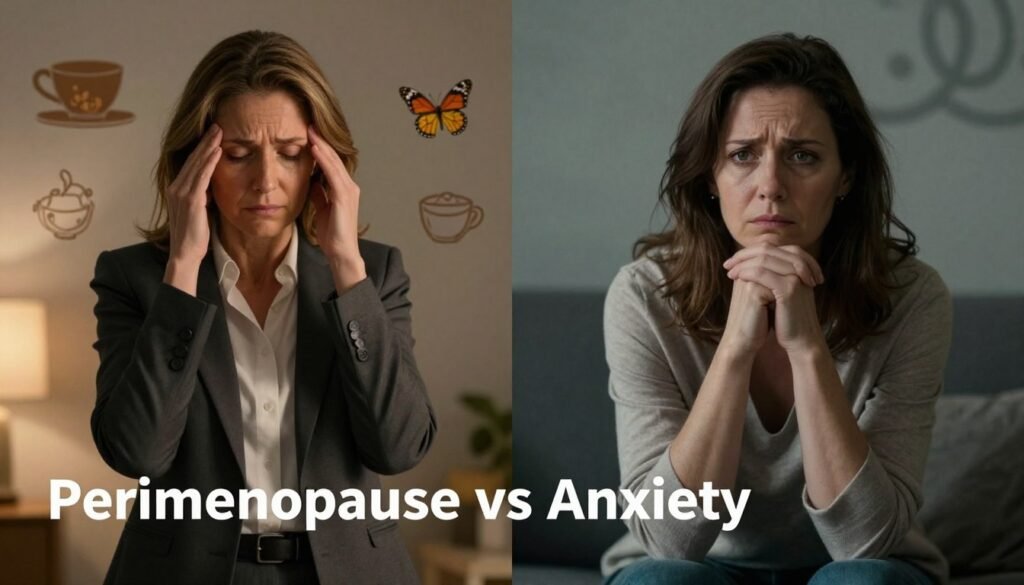
Explore perimenopause vs anxiety: learn to identify symptoms, key differences, and how to find the right treatment for you in this comprehensive guide.

Learn how perimenopause vs depression overlap in symptoms and diagnosis, and find actionable insights tailored for women’s health.