

Are you feeling unusually tearful or finding it hard to get out of bed in the morning? You might wonder if you are facing a clinical low mood or the start of hormonal shifts. Many women in their 40s struggle to tell these two apart while searching for answers.
Understanding perimenopause vs depression is vital because both conditions often share similar symptoms. The World Health Organization describes this time as the phase of biological changes leading up to menopause. These hormonal fluctuations can deeply impact your mental health and daily life.
Research indicates that females aged 45 to 54 experience some of the highest rates of emotional distress. Distinguishing between these health issues ensures you get the right medical support. Dr. Helloyze Ferreira Ancelmo reviewed this guide to help you navigate these complex changes with confidence. You can also explore a pmdd vs perimenopause side-by-side comparison to learn more about cycle-related shifts.
Key Takeaways
- Hormonal shifts during your 40s can often mimic clinical mood disorders.
- Women aged 45-54 face the highest risk for significant emotional challenges.
- The WHO defines this phase by specific endocrine and biologic transitions.
- Differentiating your symptoms is essential for receiving the most effective treatment.
- Expert medical review by Dr. Helloyze Ferreira Ancelmo ensures the accuracy of this data.
- Identifying the root cause of your feelings helps you advocate for your well-being.
Quick Answer
You can definitely experience perimenopause and depression simultaneously because changing hormones often trigger low mood. These conditions frequently coexist, making it difficult to separate their origins without expert help.
“Hormonal health and mental health are two sides of the same coin during the midlife transition.”
Overlapping symptoms like fatigue and sleep disturbances make a medical evaluation vital for your health. Since these issues mimic each other, a doctor can help determine if your struggles are hormonal, clinical, or both.
About 4 in 10 women face these mood-related changes during their transition. Knowing the difference between a temporary hormonal shift and a persistent mental health condition ensures you receive the right care at the right time.
A proper treatment approach for perimenopausal depression helps you manage your symptoms effectively. You can find relief by exploring resources on menopause and your mental wellbeing or specialized menopausa e saúde mental guides.
- Hormonal fluctuations significantly increase your risk of developing clinical low mood.
- Common signs like difficulty concentrating and fatigue appear in both conditions.
- Therapy, such as CBT, is often as important as medication for many individuals.
- Professional diagnosis is the essential first step to finding the best recovery path.
| Feature | Perimenopause Influence | Clinical Depression |
|---|---|---|
| Primary Driver | Estrogen & Progesterone shifts | Neurotransmitter imbalance |
| Common Relief | Hormone Replacement Therapy | SSRIs or SNRIs |
| Mood Pattern | Often tied to cycle changes | Persistent for two weeks or more |
Key Takeaways
You deserve to feel like yourself again, which starts with recognizing the signs of hormonal and emotional shifts. Understanding the perimenopause and emotional changes you experience is vital for your health.
Many women face an increased risk of depression during this transition due to shifting hormones. It is very common to feel confused by overlapping symptoms like low energy or sleep issues.
- Hormonal shifts between ages 42-54 can impact your mental health significantly.
- Distinguishing perimenopause from clinical depression requires tracking your cycles and mood symptoms.
- Effective treatment options are available for women to help them thrive through menopause.
Remember, you are not alone, and professional help can provide the relief you need to move forward with confidence.
Understanding the Perimenopause-Depression Connection
Many people feel overwhelmed when their emotional state shifts unexpectedly, but understanding the biological roots can help you feel more in control. You are going through a natural physical shift where your body prepares for a new stage of life.
This process involves complex interactions between your brain and your reproductive system. Understanding these shifts helps you realize that your feelings are tied to real physical events.
What Happens to Your Body During Perimenopause
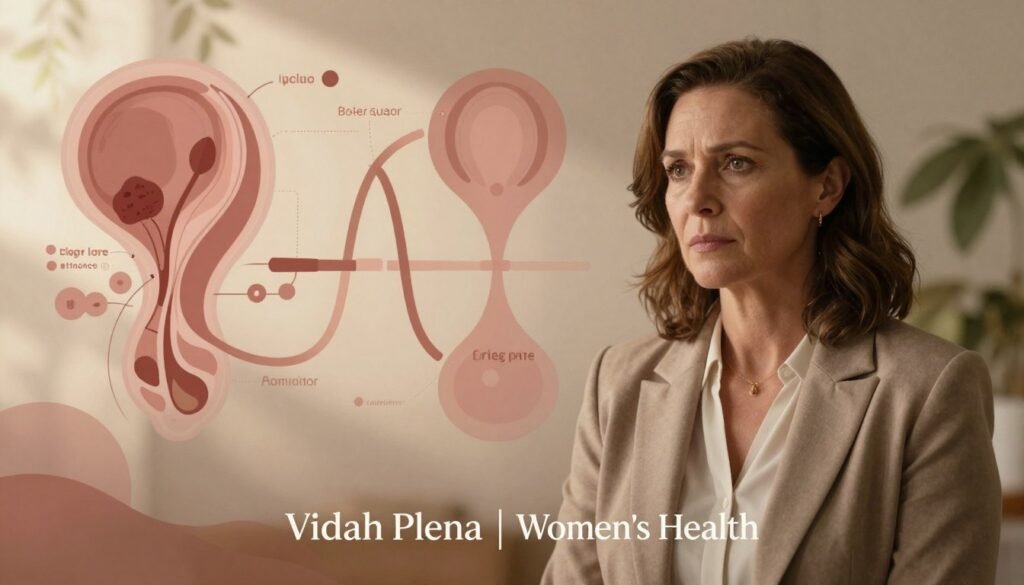
Your ovaries are slowly aging and have fewer follicles to release eggs as the years pass. This means your body produces less estrogen and progesterone, which are the main hormones that keep your cycle regular.
This transition often lasts about four years on average, though the experience is different for everyone. During this stretch, your system works harder to maintain a balance that is naturally shifting.
Why Perimenopause Increases Depression Risk
Estrogen receptors exist throughout your brain, particularly in areas that control your feelings and emotional processing. When these levels drop, it can disrupt chemicals like serotonin and dopamine that stabilize your mood.
If you have a history of hormone-sensitive mood disorders, you face a higher vulnerability to clinical depression. Your brain’s sensitivity to these fluctuations determines how you react to the decline in hormone production.
“Perimenopause is a period of risk and vulnerability for mood changes, like the postpartum period or the premenstrual phase of the menstrual cycle.”
The Critical Timeline: Ages 42-54
Most women enter this phase in their mid-to-late 40s when hormonal changes become more frequent. Data suggests that mental health struggles are very common for women between 42 and 52 years of age.
During this time, the erratic nature of your cycle can cause deep emotional changes. You might feel like you are on an emotional rollercoaster that is difficult to stop.
Once you reach menopause and start your post-menopause journey, your hormonal changes settle. These physical changes reflect the end of your fertility and often lead to a more stable emotional state.
| Biological Factor | Impact on Mental Health | Typical Timing |
|---|---|---|
| Ovarian Follicle Decline | Triggers irregular cycles and physical stress | Mid-to-late 40s |
| Estrogen Fluctuations | Disrupts serotonin and dopamine regulation | Duration of 4–10 years |
| Neurotransmitter Shift | Increases vulnerability to low mood and anxiety | Ages 42–54 |
| Hormonal Stabilization | Reduces risk as levels reach a steady baseline | Postmenopause |
Perimenopause vs Depression: Identifying Your Symptoms
Distinguishing between perimenopause and depression can feel like solving a complex puzzle when your body and mind are changing at the same time. You may notice your energy levels dipping or your temper flaring without a clear reason. It is important to remember that many women experience significant mood shifts during this transition.
The Symptom Overlap That Causes Confusion
You might struggle to tell these conditions apart because they share several common traits. Both can lead to poor sleep, crushing fatigue, and persistent anxiety. These shared symptoms often make it hard to focus on daily tasks or stay motivated.
Research suggests that mood changes during perimenopause are real and can mimic clinical disorders. You may experience memory lapses or a “brain fog” that feels identical to the cognitive slowdown seen in mental health struggles. This overlap is why tracking your daily fluctuations is so helpful for your doctor.
Unique Perimenopause Indicators
Your symptoms perimenopause usually include distinct physical markers that aren’t found in standard clinical disorders. For example, you might deal with hot flashes, night sweats, or a changing menstrual cycle. If your period becomes unpredictable, it often points toward hormonal shifts rather than just a mental health struggle.

Additionally, you may feel a specific type of irritability or even paranoid thoughts. These physical symptoms often fluctuate in waves rather than remaining constant for months. Unlike typical depression, these feelings often coincide with flashes or other bodily changes.
Depression-Specific Warning Signs
While hormonal shifts cause instability, major depression often feels like an unrelenting weight. You may feel a deep sense of hopelessness or worthlessness that does not lift when your hormones level out. If you have lost interest in every hobby you once loved, it might be time to check for pmdd or perimenopause how to know for.
“Perimenopausal depression often presents with higher levels of hostility and paranoid thinking than we see in other types of depressive disorders.”
You should also watch for feelings of numbness or persistent crying spells. While perimenopause brings “moodiness,” clinical symptoms often involve a total loss of joy. Paying attention to these differences helps you get the specific support you need.
Complete Symptom Comparison Table
Use this table to help identify which patterns best match your current experience. It is a great tool to bring to your next medical appointment. Understanding your symptoms perimenopause starts with clear data.
| Symptom Category | Perimenopause Focus | Depression Focus |
|---|---|---|
| Mood Pattern | Fluctuates, often tied to cycle or flashes | Persistent, unrelenting sadness for weeks |
| Physical Signs | Night sweats and vaginal dryness | General aches or “heavy” limbs |
| Social Outlook | Irritability and marked paranoia | Isolation and feelings of worthlessness |
| Cognitive Health | Difficulty finding words or memory lapses | Severe concentration loss and numbness |
Conditions Commonly Mistaken for Perimenopause or Depression
Many different health issues can masquerade as the midlife transition, making an accurate diagnosis feel like a challenge. You might receive a misdiagnosis because several conditions mimic perimenopause and depression symptoms.
It is vital to investigate your physical state to rule out other causes. Often, the psychological signs appear years before the physical ones. This gap can lead to confusion for both you and your doctor.

How Perimenopause Differs from PMDD
Your PMDD symptoms follow a predictable premenstrual pattern. These shifts usually resolve quickly after your period begins. Understanding this timing is the best way to tell them apart.
In contrast, the midlife transition often brings more erratic changes in your cycle. You can learn more about why symptoms often to see where your experience fits. If your distress happens only before menstruation, it may be PMDD rather than a permanent shift.
Separating Anxiety Disorders from Perimenopause
You could have an anxiety disorder if your primary concern is constant worrying without hot flashes. Some women experience muscle tension, sweating, or nausea that disrupts daily life. These feelings usually persist regardless of your menstrual phase.
It is vital to rule out these problems before assuming it is just a hormone shift. A mental health professional can help you determine if your worry is a standalone condition. Comprehensive treatment approaches often address both your mental state and your physical transition.
Thyroid Disorders: The Great Imitator
A thyroid disorder might be the true culprit behind your fatigue and low mood. Both hypothyroidism and hyperthyroidism cause weight fluctuations and cognitive difficulty. These signs closely resemble the heavy fog felt during midlife.
Doctors should use thyroid function tests to check your physical health. Testing TSH and T4 levels helps ensure you are not treating a hormonal shift when your thyroid needs help. You can even have both conditions at the same time.
ADHD in Women vs Perimenopausal Brain Fog
You may actually have undiagnosed adult ADHD if your brain fog includes lifelong attention issues. These executive function struggles often worsen during the approach to menopause. Unlike new-onset depression or anxiety, ADHD patterns usually exist long before midlife.
Many women find that dropping estrogen makes their ADHD harder to manage. Your healthcare provider should create a detailed timeline of when these struggles began. This history is key to finding the right support for your brain.
Diagnostic Comparison Table
This table highlights the key differences between these commonly confused conditions. Reviewing these features can help you prepare for your next medical appointment.
| Condition | Typical Timing | Distinguishing Feature | Primary Test |
|---|---|---|---|
| Perimenopause | Erratic / Anytime | Hot flashes and cycle changes | Symptom log / FSH levels |
| PMDD | Premenstrual only | Mood lifts once period starts | Menstrual diary |
| Thyroid Disorder | Constant | Weight changes and fatigue | TSH and T4 Blood tests |
| Adult ADHD | Lifelong | Executive function struggles | Clinical history |
How to Get the Right Diagnosis: Your Step-by-Step Guide
If you feel like a veil has dropped over your life, it is time to seek answers with a clear, step-by-step diagnostic strategy. This heavy feeling can make you feel unlike yourself, but you do not have to walk through this phase alone. Connecting with a professional is the first step toward clearing the fog of depression and finding relief.
“Depression is hard because it can consume people—they feel like there’s a veil over their whole head and body.”
Step 1: Track Your Symptoms and Menstrual Patterns
Start by keeping a daily log for at least two months. Record your mood, sleep quality, and energy levels to see how they align with your cycle. It is also a good time to note any connection between PMDD and OCD or other anxiety shifts you notice. Use a scale of 1 to 10 to rate the severity of these symptoms so you can show your doctor clear data.

Step 2: Prepare for Your Doctor's Appointment
Gather your full medical history before you head to the clinic. Include any past mental health issues and a list of all supplements you currently take. Write down specific questions about hormone tests or mood screenings to ensure you stay focused during the visit.
Step 3: Understanding the Diagnostic Process
Your doctor will likely use a physical exam and blood work to rule out other issues. For women who have had a hysterectomy, blood tests are essential since there is no menstrual marker to track. These tests check if your body has begun the transition into perimenopause by measuring FSH and estradiol levels.
| Diagnostic Tool | What It Checks |
|---|---|
| PHQ-9 Form | Severity of mood shifts |
| Thyroid Panel | Rules out thyroid issues |
| Symptom Diary | Patterns in daily symptoms |
Step 4: Know When to See a Psychiatrist or Menopause Specialist
Start with your primary care doctor or ob-gyn for an initial evaluation. If standard treatment for menopause or mood does not work, it may be time to see a specialist. A reproductive psychiatrist can help if you have complex needs or a history of severe depression.
Real Case Scenarios: Diagnosis Stories
Consider the story of a 47-year-old woman struggling with irritability and deep sadness. She tracked her patterns for eight weeks and realized her moods peaked right before her irregular periods. By advocating for herself with her health team, she received a tailored plan that led to a 70% improvement in just three months.
Treatment Options and What Works Best for You
You have many effective ways to manage your physical and emotional health as you navigate these changes. Perimenopausal depression is very treatable. Finding the right path depends on your unique symptoms and overall quality of life.
Your journey through perimenopause does not have to be a struggle. By exploring different medical and holistic paths, you can regain control. Whether you need physical support or emotional tools, the right care is available.
Hormone Replacement Therapy: Who Benefits Most
Hormone replacement therapy (HRT) often serves as a primary treatment for many women. It is most effective when started within 10 years of the onset of menopause. This approach directly targets the source of your symptoms.
Taking estrogen can improve your mood by helping your brain’s neurotransmitter systems. You might use transdermal patches or pills. If you still have your uterus, your doctor will likely combine this with progesterone for safety.
Antidepressant Medications (SSRIs and SNRIs)
Your doctor might suggest an antidepressant like an SSRI or SNRI. These medications help balance brain chemicals to ease anxiety. They can even reduce hot flashes by over 50% for some people.
Newer options like agomelatine may help if you struggle with sleep. Unlike some traditional drugs, these often have fewer side effects. They are excellent for managing the emotional weight of this transition.
Psychotherapy and Cognitive Behavioral Therapy
Cognitive behavioral therapy (CBT) provides powerful tools to manage negative thoughts. It helps you develop coping strategies for midlife stressors. This therapy is also very effective at improving your nighttime rest.
Supportive counseling allows you to process the shifts in your life. You can also explore a comprehensive evidence-based guide for women to see how nutrients impact your mental health. Talking to a professional can make a massive difference.
Lifestyle Changes That Provide Real Relief
Simple lifestyle adjustments provide real relief for your body and mind. Regular aerobic exercise and strength training preserve your muscle mass. These activities also release endorphins that naturally lift your spirits.
You should also focus on your sleep hygiene. Keep your bedroom cool, dark, and quiet. Avoiding alcohol and late-day caffeine can prevent anxiety and help you stay rested throughout the night.
Combining Treatments: The Most Effective Approach
Sometimes, using both hormones and an antidepressant is the most effective approach. This combination helps when one method alone does not resolve all your symptoms. It addresses both the hormonal shifts and the chemical imbalances in the brain.
Your lifestyle habits support these medical interventions. Combining medical treatment with regular exercise and social connection creates a strong foundation. This holistic view ensures you feel your best every day.
Treatment Risks and Limitations You Should Know
Every choice carries some level of risk that you should understand. Long-term HRT may slightly increase the chance of certain cancers for some. It is important to have regular check-ups with your healthcare provider.
Remember that most medications take 4 to 8 weeks to show full results. You may need to try a few different options to find your perfect fit. Consistency and patience are key to finding the relief you deserve.
| Approach | Main Benefit | Best For |
|---|---|---|
| Estrogen Therapy | Stabilizes mood and stops hot flashes | Early perimenopause symptoms |
| CBT Therapy | Tools for stress and negative thoughts | Managing life stressors and insomnia |
| SSRIs/SNRIs | Balances brain chemistry and anxiety | Moderate to severe depression |
| Healthy Habits | Boosts energy and improves sleep | Long-term wellness and prevention |
When to Seek Medical Help Immediately
While hormonal changes are common, your safety during perimenopause is never something to take lightly. Your mental health matters just as much as your physical comfort. Please reach out if you feel overwhelmed by these shifts.
Hormonal transitions can sometimes lead to a severe crisis. It is time to prioritize your safety above everything else. If you notice you are just not yourself, connect with someone who can help you right away.
Emergency Warning Signs
You must seek immediate help if you experience plans to harm yourself. Feelings that your family would be better off without you are medical emergencies. These signs require urgent care from a professional.
- Severe hopelessness that lasts more than a few days.
- The inability to care for yourself or your dependents.
- Dramatic personality changes noticed by your loved ones.
- A sudden worsening of your symptoms or severe panic attacks.
Suicidal Thoughts and Crisis Resources
Statistical data shows that women aged 45-54 often face the highest suicide rates. Major depression during this phase can include disturbing and hopeless thoughts. This emotional state can feel heavy and all-consuming.
“Depression can consume people, feeling like a veil over their whole head and body.”
If you are in danger, please use these resources in the United States:
| Resource | Contact Information | Availability |
|---|---|---|
| Suicide & Crisis Lifeline | Call or text 988 | 24/7 |
| Crisis Text Line | Text “HELLO” to 741741 | 24/7 |
| Emergency Services | Call 911 | Immediate |
How to Support Someone in Crisis
If someone you know mentions suicide, take their words seriously. Stay with them and remove access to any harmful items. Helping them reach professional mental health support can save a life.
Listen to them without judgment and ask direct questions. You might ask, “Are you having thoughts of ending your life?” Your concern and active connection to resources make a massive difference during their deepest depression.
Conclusion
You can reclaim your quality of life during this natural transition by seeking help for physical symptoms and sadness. The years of perimenopause are a normal stage of aging for every woman.
Managing fatigue, irritability, and hot flashes protects your mental health. Most women find that depression and anxiety problems improve significantly after menopause.
Don’t let a lack of sleep, work stress, or period changes stop your favorite activities. Your medical history or cycle shifts shouldn’t hide the flashes you feel. Seeking help for this natural life journey is a sign of strength.
| Key Summary | Empowering Action |
|---|---|
| Treatable Conditions | Both perimenopause and depression respond well to professional care. |
| Natural Transition | Remember that this stage is a reproductive shift, much like puberty. |
| Future Outlook | Risk usually decreases after hormones settle in the postmenopause years. |
FAQ
How can I tell if my mood swings relate to hormonal changes?
Look closely at your monthly cycle. If irritability or deep sadness tracks with your period, hormonal changes likely play a role. This transition often brings physical symptoms like hot flashes and night flashes. Review your health history with a provider at Northwell Health to understand these changes.
What treatment choices help during this phase?
You have many choices for care. Some women find relief through hormone replacement therapy. Others benefit from an antidepressant or talk therapy. A lifestyle shift involving better sleep and regular activities also improves mental health and reduces anxiety.
Why does aging affect my focus and energy?
Fluctuating estrogen levels often cause fatigue and a lack of concentration. This difficulty can impact your work and daily life. These problems are common as aging occurs during this stage. Addressing sleep issues can significantly improve your overall quality of living.
How long do these symptoms usually last?
This time can span several years. Every woman experiences this phase differently. While the risk for mood disorders increases, the transition eventually leads to menopause. Consistent care from specialists like those at the Mayo Clinic helps manage the symptoms perimenopause causes effectively.
When should I worry about my mental health?
Seek help if your mood prevents you from enjoying life. If you experience thoughts of suicide, call the National Suicide Prevention Lifeline at 988 immediately. Your health is the priority. Do not ignore persistent sadness or a total lack of energy during this depression overlap.