

You are sitting in a quiet meeting when a sudden, intense wave of heat washes over your chest and face. Your heart begins to race, and a fine mist of sweat appears, leaving you feeling flustered and exposed. If this sounds familiar, you are certainly not alone in this journey.
Research indicates that as many as 8 in 10 women in the United States experience these temperature spikes. These perimenopause hot flashes occur because shifting estrogen levels disrupt your brain’s internal thermostat, leading to sudden cooling responses. While they can last between 4 and 14 years, effective care is available to help you regain control.
This guide provides evidence-based solutions for managing your health during this transition. This article has been reviewed by Dr. Helloyze Ferreira Ancelmo (CRM-GO 31293) to ensure medical accuracy. Understanding menopause stages is the first step toward finding relief through Vidah Plena and personalized wellness strategies.
Quick Answer: These symptoms are caused by hormonal fluctuations that confuse the hypothalamus, your body’s temperature regulator. Relief typically involves a combination of lifestyle adjustments, trigger avoidance, and medical support. During perimenopause, focusing on women health through nutrition and stress management can significantly reduce symptom frequency.
Managing your body during menopause does not have to be a solo struggle. By learning about your triggers and exploring modern treatments, you can navigate this phase with confidence and comfort. Let’s explore the most effective ways to stop hot flashes from disrupting your daily life.
Key Takeaways
- High Prevalence: Approximately 80% of American women experience temperature regulation issues during midlife.
- Duration: Symptoms typically persist for 4 to 14 years but can be managed with the right tools.
- Hormonal Cause: Shifting estrogen levels directly impact how your brain perceives and regulates body heat.
- Treatment Variety: Options range from simple lifestyle changes and nutrition to medical hormone therapy.
- Empowerment: You can take an active role in your wellness journey with evidence-based support.
- Professional Guidance: Consulting a healthcare provider helps tailor a plan specific to your hormonal profile.
Table of Contents
- Understanding the Biological Causes
- Common Triggers to Avoid
- Lifestyle Changes for Immediate Relief
- Medical and Natural Treatment Options
- Nutrition and Hormonal Health
Understanding What Perimenopause Hot Flashes Feel Like
Understanding your body’s signals is key to navigating this transition with confidence. While every woman’s journey is different, knowing you are not alone can make these moments easier to manage.
Physical Sensations and Symptoms
A typical flash involves a sudden, intense wave of internal heat that is impossible to ignore. You may notice red blotches appearing on your chest and arms while your skin becomes hot to the touch.
These symptoms usually last between one and five minutes before fading away. Many women experience these episodes daily, with some having over ten occurrences in a single day.
How Hot Flashes Affect Your Body
When hot flashes strike, your body works hard to cool itself down quickly. You might feel your heart fluttering or beating up to 15 times faster than your normal resting rate.
This cardiovascular response is a normal part of the process, though it can feel startling at first. Often, the intense heat is followed by clammy sensations and chills as your temperature resets.
The Emotional Impact of Hot Flashes
The emotional toll is just as real as the physical symptoms. You might feel a sudden surge of anxiety while fanning yourself during a busy work meeting.
It is common to feel like you are standing in a sauna while everyone else remains perfectly comfortable. Managing these public moments requires patience and self-compassion for your changing needs.
“Perimenopause is a natural transition that signals a new chapter in a woman’s life, requiring both physical and emotional support.”
Night Sweats: Hot Flashes During Sleep
When these events happen at night, they are known as night sweats. These sweats can be so intense that they drench your pajamas and force you to change your bedding.
This disruption often wakes you up repeatedly, making hot flashes a major cause of chronic sleep loss. Regular sleep disturbances can then impact your mood and energy levels throughout the following day.
| Symptom Type | Typical Experience | Physical Impact |
|---|---|---|
| Heat Surge | Intense warmth in the chest and face | Visible flushing and redness |
| Heart Rate | Faster beating or fluttering | Rise of 7-15 beats per minute |
| Post-Flash | Cold or clammy body feelings | Sudden shivering or chills |
| Sleep Change | Waking up in damp bedding | Disrupted REM sleep cycles |
What Causes Perimenopause Hot Flashes
The mystery of why hot flashes happen lies in your changing brain and hormones. Understanding these biological shifts empowers you to handle the heat with confidence. During this transition, your body experiences significant changes that impact your daily comfort.
The Science Behind Declining Estrogen Levels
As your ovarian function begins to slow down, your estrogen levels start to fluctuate wildly before they eventually decline. This sudden drop in estrogen is the primary reason you feel those intense bursts of internal heat. These shifting hormones can also significantly impact your menopause and mental health during the transition.
How Your Brain's Temperature Regulation Gets Disrupted
Lower estrogen directly impacts the hypothalamus, which acts as your brain‘s internal thermostat. This control center becomes hypersensitive to even the smallest shifts in your core temperature. This part of the brain wrongly senses that you are overheating and triggers an emergency cooling process.

Blood Vessel Dilation and Core Temperature Changes
When the hypothalamus reacts, it signals your blood vessels to dilate rapidly near the skin’s surface. This dilation releases heat and creates the “flush” sensation that characterizes a hot flash. Once the heat escapes, you might feel a sudden chill as your internal temperature drops back down. This lack of stable estrogen makes it harder for your system to stay balanced.
Other Medical Causes Beyond Menopause
While menopause is the most common reason for these symptoms, other factors can play a role. Issues like thyroid disorders or certain medications can also cause your hormone levels to shift. It is helpful to track your symptoms throughout your period to help your healthcare provider rule out other conditions.
| Potential Cause | Impact on Levels | Key Symptom |
|---|---|---|
| Menopause | Dropping estrogen levels | Sudden intense flushing |
| Thyroid Disorder | Unbalanced hormone levels | Constant feeling of heat |
| Infections | Changing immune levels | Fever followed by chills |
| Medications | Altered chemical levels | Drug-induced sweating |
Identifying Your Hot Flash Triggers
Finding your unique triggers is a powerful step toward reclaiming control over your comfort. While many women share common experiences, your body reacts to its surroundings in its own way. By identifying these patterns, you can make small changes that lead to big results in your daily life.
Food and Beverage Triggers
Certain items in your kitchen can spark a sudden hot flash. Spicy foods like hot peppers, curry, or heavily seasoned dishes often raise your internal temperature. Common culprits also include alcohol and caffeine, which can dilate blood vessels and worsen the intensity of your flashes.
You may also notice that very hot drinks, like steaming coffee or tea, provide enough heat to tip your body’s balance. Identifying these dietary patterns helps you choose cooler alternatives that keep your system stable.

Environmental and Temperature Factors
Your surroundings play a major role in how often these flashes occur throughout the day. Overheated rooms, humid weather, and even tight, synthetic clothing can trap heat against your skin. This makes it much harder for your body to cool itself down naturally.
Using a diary for tracking your symptoms helps you realize if your office or bedroom is simply too warm. Small adjustments, like using a fan or wearing breathable cotton layers, can significantly improve your daily comfort.
Emotional Stress and Anxiety
Your mind and body are closely linked during the perimenopause transition. Feeling rushed, anxious, or under intense pressure can activate the same physiological pathways that trigger a hot flash. These emotional responses often make physical symptoms feel much more intense and harder to manage.
Stress management is not just about your mental health; it is a physical tool for staying cool. When you identify situations that cause you to feel pressured, you can plan ahead to keep your cool.
Keeping a Trigger Diary
The best way to become an expert on your own body is to keep a comprehensive diary for at least two to four weeks. Record the time of day, what you ate, your stress level, and the temperature when flashes happen. Often, triggers work together, such as having alcohol and caffeine while feeling stressed at a social event.
You can use a simple notebook or a smartphone app to make this habit sustainable. Use the template below to start identifying your specific patterns:
| Time of Day | Activity or Diet (Last 2 Hours) | Intensity (1-5) |
|---|---|---|
| 8:30 AM | Large hot coffee and rushing to work | 4 |
| 1:00 PM | Spicy Thai food in a warm restaurant | 3 |
| 9:00 PM | Glass of wine while feeling stressed | 5 |
By documenting these moments, you empower yourself to make proactive choices. Knowing your triggers allows you to plan your day with confidence and reduce the impact of perimenopause symptoms.
When Hot Flashes Start and How Long They Last
Understanding the timeline of hormonal changes can give you much-needed peace of mind during this time. These sudden flashes of heat often mark the start of your journey toward a new phase of life. Knowing what to expect helps you plan for relief and manage your daily routine with confidence.
The Perimenopause Timeline (Ages 40-58)
More than half of all women notice symptoms between the ages of 40 and 58. This phase, known as perimenopause, usually begins when your period first becomes irregular. You might experience the heat as a subtle warmth at first, rather than a sudden spike.
Peak Intensity and Your Final Period
Symptoms usually reach their peak within one year of your final period. While the average age for the official start of menopause is 51, your experience is unique. The frequency of heat spikes often decreases significantly once you have gone a full year without a cycle.
Why Some Women Experience Longer Duration
Research shows that flashes last about seven years on average. However, some studies suggest they can persist for up to 14 years after menopause. You can learn more about how symptoms vary by checking a pmdd vs perimenopause comparison to see how your body is changing.
Recent studies show that hot flashes can continue for a wide variety of time, with some women experiencing them into their 60s and 70s.
Factors That Influence Hot Flash Duration
Certain lifestyle factors can make these flashes stay longer. Smoking and being overweight often extend the time you feel the heat because they affect how your body processes hormones. Starting perimenopause early also increases how many years you might deal with symptoms. Most women eventually find that perimenopause ends as the body adapts to the new hormone levels of menopause.
| Factor | Impact on Duration | Typical Timeline |
|---|---|---|
| Standard Transition | Average Duration | 4 to 7 years |
| Early Symptom Onset | Longer Duration | Up to 10+ years |
| Lifestyle (Smoking/Weight) | Extended Duration | 7 to 14 years |
Natural and Lifestyle Relief Strategies
You can take control of your comfort by exploring several holistic approaches and simple daily habits. Many women find that small lifestyle changes make a big difference in how they feel.
These ways to manage symptoms prioritize your overall health and well-being. Finding the right balance often requires a bit of patience and experimentation.
Dietary Changes and Foods That Help
Adjusting your plate is one of the most effective lifestyle changes you can make. Certain foods contain plant compounds that help your body manage internal changes more smoothly.
Soy-Based Phytoestrogens
Include more tofu, tempeh, and edamame in your weekly meal plan. These soy products contain phytoestrogens that may lower the frequency of your hot flashes naturally.
Foods to Include and Avoid
Add flaxseeds to your oatmeal and snack on fruits like blueberries, peaches, and strawberries. Try to avoid spicy foods, alcohol, and caffeine, as these often trigger sudden flashes.
Include plenty of almonds, cashews, and leafy greens like kale or broccoli in your diet. Large, heavy meals can also raise your core temperature, so aim for smaller portions throughout the day.
Mind-Body Therapies for Symptom Management

Focusing on the connection between your mind and body is a helpful lifestyle choice. This type of therapy empowers you to regulate your physical reactions to stress.
Cognitive Behavioral Therapy (CBT)
This therapy helps you reframe how you perceive your symptoms. By reducing the anxiety associated with sudden heat, it makes your flashes feel much less intense.
Meditation and Deep Breathing Exercises
When you feel a spike in temperature, practice slow, deep breathing at a rate of seven to eight breaths per minute. This technique calms the nervous system and can reduce the severity of your symptoms quickly.
Yoga and Gentle Exercise
Yoga is one of the best ways to lower stress, which is a primary trigger for many women. Regular gentle movement supports your cardiovascular health and keeps your body more resilient.
Natural Supplements and Herbal Remedies
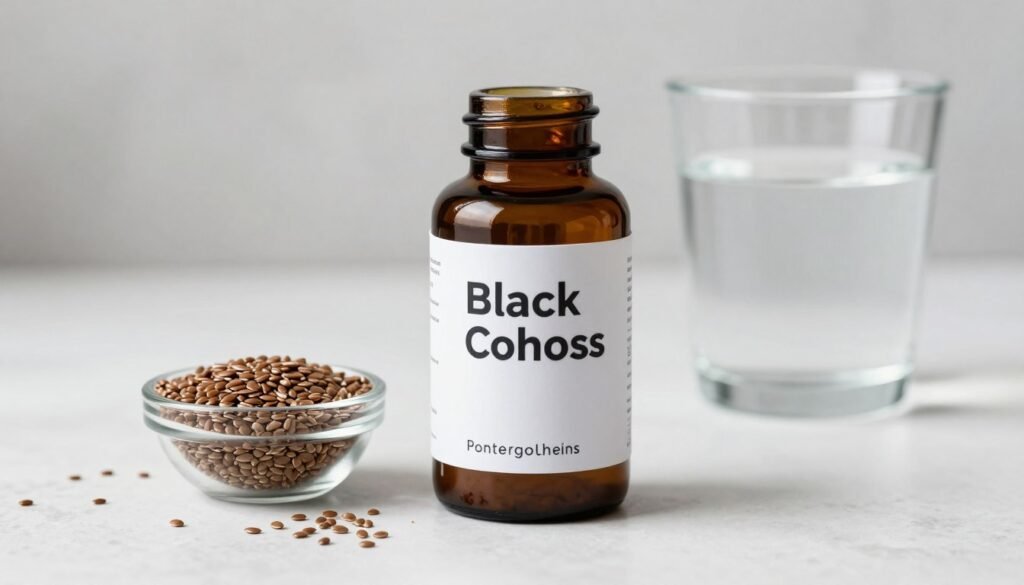
Many women look for herbal treatments to find relief without using synthetic hormones. While these options are popular, they often work best for mild to moderate symptoms.
Black Cohosh and Evening Primrose Oil
Research suggests that 40 to 80mg of black cohosh daily may support your body. Many also use 500mg of evening primrose oil to help soothe the intensity of sudden flashes.
Vitamin E and Other Options
Taking 800 IU of Vitamin E daily provides antioxidant support that may help some women. These natural remedies can take four to eight weeks to show a noticeable effect on your hot flashes.
Important Safety Considerations
Always talk to your healthcare provider before starting any new lifestyle supplement. These products are not FDA-regulated and may interact with other medications you are taking.
It is important to understand the pmdd and perimenopause differences to ensure you are treating the right condition. Recognizing how your body changes helps you choose the best path to manage your flashes and hot flashes safely.
Medical Treatments for Perimenopause Hot Flashes
If your symptoms interfere with daily life, exploring evidence-based treatments with a doctor is a proactive next step. Medical options can provide the relief you need when natural methods fall short. These clinical strategies focus on stabilizing your body’s internal thermostat.
Hormone Replacement Therapy (HRT)

Hormone replacement therapy (HRT) is widely considered the most effective path for symptom management. It addresses the root cause of your discomfort by replacing the estrogen your body no longer produces in high amounts. For most women, this approach reduces hot flashes by 80-90%.
How Estrogen Therapy Works
Estrogen helps stabilize the hypothalamus, which is the part of your brain that regulates temperature. By keeping your hormone levels more consistent, your body stops reacting as if it is constantly overheating. This leads to fewer sudden spikes in skin temperature and sweating.
Estrogen Plus Progesterone Options
If you still have a uterus, your doctor will prescribe progesterone alongside your hormone dose. Progesterone protects the uterine lining from overgrowth that estrogen alone might cause. This combined protocol is essential to reduce the risk of uterine cancer.
Different Forms: Pills, Patches, Gels, and Creams
You can choose from several different delivery methods depending on your lifestyle. Transdermal options like patches, gels, and creams go directly through the skin and bypass the liver. These are often preferred because they carry a lower chance of complications compared to oral tablets.
Benefits and Effectiveness Rates
Most women experience rapid relief within two to four weeks of starting therapy. Beyond cooling your body, it also addresses mood swings, sleep quality, and vaginal dryness. It is a comprehensive way to manage multiple transition symptoms at once.
Risks: Blood Clots and Cancer Considerations
There is a small increase in the risk of blood clots or pulmonary embolism with certain treatments, especially oral pills. Long-term combined therapy may also slightly increase breast cancer concerns. It is important to weigh these factors against the severity of your symptoms.
Non-Hormonal Prescription Medications
For those who cannot take hormones, several non-hormonal medications offer significant relief. These prescription options target the brain’s signaling pathways rather than changing your hormone levels. They are excellent alternatives for women with specific health histories.
Antidepressants (SSRIs and SNRIs)
Low-dose antidepressants like paroxetine can reduce the frequency of hot flashes by 40-60%. They work by balancing neurotransmitters that help regulate your internal “thermostat.” Many women find these helpful for both physical symptoms and emotional stability.
Gabapentin (Antiseizure Medication)
Originally used for seizures, this medication can lower flash frequency by 30-50%. It is often taken before bed to help improve sleep quality. Gabapentin works by affecting calcium channels and neural signaling in the brain.
Clonidine (Blood Pressure Medication)
This blood pressure medication helps some women by calming the nerve signals that trigger flushing. While effective, it is sometimes limited by side effects like dry mouth or dizziness. It remains a viable option for those who cannot use other clinical paths.
Fezolinetant (NK3 Receptor Antagonist)
This is a newer prescription option that specifically blocks the “hot flash switch” in the brain. It is highly targeted and does not involve hormones at all. You will simply need occasional blood tests to monitor your liver function during the first year.
Low-Dose Hormonal Birth Control
If you are still having periods, low-dose birth control can be a dual-purpose hormone strategy. it provides reliable contraception while also stabilizing your cycle. This prevents the dramatic peaks and valleys in hormone levels that lead to intense flushing.
Choosing the Right Treatment for You
Selecting the right medications depends on your personal health history and symptom severity. You might wonder about pmdd or perimenopause how to know for before deciding on a specific therapy. Your doctor will help you evaluate your blood pressure and heart health to ensure the safest possible outcome.
How Perimenopause Hot Flashes Differ from Other Conditions
When you feel a sudden surge of heat, it’s helpful to know if it’s a standard hot flash or a sign of another condition. Many medical conditions share similar symptoms, making it vital to track your body’s changes. Understanding these differences protects your overall health and ensures you receive the correct support for your women health needs.
Hot Flashes vs. Anxiety and Panic Attacks
Both hot flashes and panic attacks can cause a racing heart and sweating. However, panic attacks usually involve an intense sense of doom or fear that is not present during a standard flash. While a hot flash typically lasts only one to five minutes, a panic attack can persist for twenty minutes or longer.
Perimenopause vs. PMDD: Understanding the Differences
PMDD symptoms are strictly cyclical and occur during the luteal phase of your menstrual cycle. In contrast, perimenopause involves more irregular patterns and physical signs like night sweats. If you struggle with severe cycle-related mood shifts, you can find more about PMDD and women’s mental health at Vidah Plena.
Distinguishing from Thyroid Disorders
Hyperthyroidism can make you feel hot and sweaty, much like menopause. Unlike perimenopause, thyroid issues often include unexplained weight loss and tremors. A rapid heartbeat at rest is another sign that your thyroid, not your hormones, might be the cause.
Depression vs. Menopausal Mood Changes
Clinical depression involves a persistent low mood and hopelessness that lasts for weeks or months. Menopausal mood changes are often more variable and tied directly to physical symptoms. While the risk for depression increases during menopause, it is important to screen for both hormonal and mental health conditions.
Comparison Table: Symptoms Across Conditions
Tracking your symptoms helps your doctor make an accurate diagnosis. Since perimenopause can co-exist with other issues, a comprehensive evaluation is necessary for your long-term health. Use the table below to see how these women health concerns compare in daily life.
| Condition | Primary Timing | Key Distinguishing Feature |
|---|---|---|
| Perimenopause | Irregular and random | Night sweats and vaginal dryness |
| Panic Attack | Triggered or sudden | Intense fear and sense of doom |
| PMDD | Cyclical (Luteal phase) | Severe mood shifts before period |
| Hyperthyroidism | Constant or frequent | Unexplained weight loss and tremors |
| Clinical Depression | Persistent for weeks | Loss of interest in all activities |
Managing Night Sweats and Sleep Disruptions
Restoring your rest starts with understanding that night sweats are simply hot flashes occurring during your sleep cycle. These episodes happen when low estrogen levels disrupt your brain’s temperature control, while declining progesterone makes it harder for you to stay asleep. Waking up drenched can leave you feeling drained, but small changes to your routine can help you reclaim your energy.
Creating a Cool Sleep Environment
Setting your bedroom temperature between 60 and 67°F creates the ideal climate for rest. You should use a fan to improve air circulation and choose moisture-wicking sheets instead of heavy cotton. Layering your bedding allows you to adjust quickly when you feel flashes of heat rising.

Keep a “cool-down kit” at your bedside for immediate relief. This kit might include a glass of cold water, a damp washcloth, or a small portable fan. Having these tools within reach helps you settle back into sleep faster after an episode occurs.
Bedtime Routines and Sleep Hygiene
Consistency is your best ally when managing hormonal shifts. You should aim to go to bed and wake up at the same time every day to stabilize your internal clock. Avoid using screens like phones or tablets at least one hour before bed, as blue light interferes with your rest.
Your diet also plays a significant role in how you rest. Try to avoid caffeine after noon and limit alcohol within three hours of your bedtime. Instead, embrace calming activities like a warm bath, gentle stretching, or meditation to prepare your body for a peaceful night.
Treating Hot Flashes to Improve Sleep Quality
Focusing on the underlying cause of your discomfort is often the most effective strategy. When you successfully manage your daytime hot flashes, the frequency of nighttime sweats usually drops significantly. This creates a positive cycle where better rest improves your mood and reduces the stress that triggers more flashes.
The connection between hormones and female sleep is a vital piece of the perimenopause puzzle. Many women find that addressing hormonal imbalances through lifestyle changes or natural remedies restores their ability to dream without interruption. Tracking your patterns in a diary can help you see which interventions work best for you.
When Sleep Problems Indicate Other Issues
Sometimes, your tossing and turning might stem from more than just hormonal heat. If you experience loud snoring or gasping, you may need an evaluation for sleep apnea. Chronic insomnia that persists even after your night sweats improve also deserves a conversation with your healthcare provider.
“Quality sleep is not a luxury; it is a necessity for navigating the hormonal transitions of midlife with grace and resilience.”
Staying proactive about your nocturnal comfort will help you manage these symptoms effectively. Use the following guide to optimize your evening routine and minimize the impact of sweats on your daily life.
| Strategy Type | Actionable Step | Primary Benefit |
|---|---|---|
| Environment | Set thermostat to 60-67°F | Prevents core body overheating |
| Hygiene | No screens 1 hour before bed | Boosts natural melatonin levels |
| Immediate Relief | Keep cold water at bedside | Lowers temperature during a flash |
| Lifestyle | Avoid alcohol near bedtime | Reduces heart rate and heat spikes |
Lifestyle Modifications That Reduce Hot Flashes
Incorporating simple lifestyle changes into your day helps minimize the intensity of sudden temperature spikes. These small changes give you more control over your comfort levels. Focused habits often provide the most sustainable relief for your body during this transition.
Weight Management and Regular Exercise
Managing your weight is a highly effective lifestyle choice for finding relief. Excess body fat can retain heat and interfere with hormone metabolism. This often makes hot flashes feel much more intense and frequent.
Consistent exercise also helps regulate your internal temperature. Try to get 30 minutes of moderate activity on most days. This helps you manage your weight and can reduce the frequency of sudden flashes by up to 50%.
Smart Clothing Choices and Layering Strategies
Your outfit choice acts as a first line of defense against discomfort. Wear natural fabrics like cotton or linen that allow your skin to breathe easily. Use a smart layering system to handle sudden flashes quickly without embarrassment.
Start with a lightweight base layer and add a removable middle layer, like a cardigan. Keeping an extra layer nearby is helpful for the chills that often follow a sweat. Avoid tight clothing and turtlenecks that trap heat against your skin.
Stress Reduction and Relaxation Techniques
High stress levels often trigger internal heat and anxiety. Practice relaxation ways such as yoga or progressive muscle relaxation to keep your nervous system calm. Setting clear boundaries and managing your time can prevent the rushing that leads to physical stress.
“Lifestyle modifications remain the cornerstone of managing menopausal symptoms, offering a low-risk path to improved quality of life.”
Avoiding Smoking and Limiting Alcohol
Habits like smoking and drinking alcohol can significantly worsen your symptoms. Quitting smoking improves estrogen metabolism and decreases the overall severity of hot flashes. It also provides long-term benefits for your heart and bone health.
You should also limit alcohol consumption, especially in the evening. It dilates your blood vessels, which can trigger hot flashes within minutes of your first sip. Many women find that avoiding spicy foods and caffeine further supports this progress.
Staying Cool: Practical Daily Tips
Preparation is key for managing unexpected flashes throughout the day. Keeping your environment cool and having the right tools on hand makes a huge difference. Consider these practical adjustments:
- Carry a portable fan in your purse or keep one at your desk.
- Use cooling neck wraps or hold frozen water bottles to your pulse points.
- Park your car in the shade and stay in air-conditioned areas when possible.
| Modification | Practical Action | Key Benefit |
|---|---|---|
| Clothing | Wear cotton layers | Quick temperature control |
| Diet | Limit alcohol and spices | Fewer blood vessel dilations |
| Activity | 30 mins daily exercise | Lower symptom frequency |
These consistent habits help prevent the sudden flashes that disrupt your focus. Stay patient with your body, as it typically takes 4 to 8 weeks to see the full benefits of these hot flashes reductions. Building sustainable habits today ensures better health for your future.
When to Seek Medical Help for Hot Flashes
Knowing the right time to reach out to a doctor is essential for managing your transition comfortably. If hot flashes feel bothersome enough to disrupt your daily life, it is important to seek professional care. You should prioritize your health when your current symptoms interfere with your sleep, mood, or work performance.
Taking a proactive approach helps you find relief before your quality of life suffers significantly. Reaching out early ensures you are well-informed about what to expect as your body changes. Many women find that having a professional partner in their wellness journey reduces the stress of perimenopause.
Signs Your Symptoms Need Professional Evaluation
You should contact a doctor if you notice “red flag” symptoms that appear suddenly or feel unusual. These include severe flashes before age 40 or those accompanied by unexplained weight loss. Sudden changes in your physical state deserve immediate attention to rule out other medical issues.
Persistent sleep loss or intense irritability that strains your relationships also warrants a professional visit. If your symptoms prevent you from functioning at your best, you do not have to “just deal with it.” Effective medical interventions are available to help you regain control.
Questions to Ask Your Healthcare Provider
Prepare for your visit by bringing a tracking diary that notes the frequency and intensity of your flashes. Ask what treatment options address your specific symptoms while fitting your unique medical history. It is also helpful to know what the risks and benefits are for each recommended path.
Inquire about how long it might take to see results and what side effects you should watch for. Bringing a list of concerns ensures that you cover every important detail during your appointment time. This preparation helps you advocate for the best possible results.
Finding a Menopause Specialist
If you feel your concerns are being dismissed, finding a certified professional is the best way to get better care. The North American Menopause Society (NAMS) offers a searchable directory of specialists who provide expert care. These practitioners have specific training to help you navigate the complexities of hormonal shifts.
Effective treatments exist and suffering unnecessarily isn’t required.
What to Expect During Your Appointment
Your doctor will likely review your health history and discuss the impact of your experiences on your daily routine. They may order blood tests to check hormone levels or rule out other underlying conditions like thyroid disorders. A comprehensive evaluation is the first step toward a personalized treatment plan.
Expect a collaborative discussion to find the best care for your hot flashes. Your provider should listen to your goals and partner with you to improve your well-being. This conversation is a normal and necessary part of healthcare for women in this stage of adulthood.
Conclusion
Managing perimenopause is a journey you don’t have to take alone. While hot flashes affect eight in ten women, numerous relief options exist to help you feel better. Your quality of life should remain a top priority throughout perimenopause.
Start by tracking your periods and identifying specific triggers for sudden flashes. Simple lifestyle changes can help you manage menopause symptoms more effectively. You deserve to feel comfortable and in control of your women health every single day.
Don’t hesitate to seek medical help if hot flashes disrupt your daily routine or sleep. Partnering with a knowledgeable provider ensures your health remains a priority during this life stage. Effective relief for hot flashes helps you navigate menopause with confidence and ease.
Most women find that those flashes become much more manageable with a personalized treatment plan. Maintaining your health allows you to enjoy every moment of life despite frequent flashes.
This article has been reviewed by Dr. Helloyze Ferreira Ancelmo (CRM-GO 31293) to ensure medical accuracy and evidence-based recommendations.
FAQ
Why does perimenopause cause sudden surges of warmth?
During this transitional time, your estrogen levels begin to drop. This shift affects how your brain regulates your body heat. These hot episodes occur when your internal thermostat becomes more sensitive. Many women notice their face and neck feel flushed as their blood vessels dilate to cool the skin.
What daily habits might trigger a sudden thermal surge?
Certain choices can spark discomfort in your daily life. Common triggers include caffeine, alcohol, and spicy foods. Many find that stress or warm rooms increase the frequency of these flashes. Keeping a diary helps you identify which lifestyle factors affect your health and mood most often.
How can I manage heavy sweating during the night?
Shifts in your hormone levels often lead to night sweats. To improve your sleep, try keeping your bedroom cool and using moisture-wicking sheets. These simple lifestyle changes can help you rest better. If lack of rest impacts your daily care, a doctor can offer further guidance on managing these sweats.
Are there safe medical treatments available for relief?
Yes, you have several effective options to consider. A provider might suggest hormone therapy to balance your system. For those with a history of cancer, non-hormonal prescription medications like Veozah are excellent alternatives. These treatments help stabilize your temperature and reduce the risk of severe symptoms.
Can these hormonal changes affect my heart health?
Frequent temperature spikes may be linked to changes in your blood pressure. It is important to monitor your heart and overall women health during these years. Maintaining a healthy weight and staying active are great ways to protect your system. Always discuss any new conditions or physical changes with a medical professional.
How long will these symptoms typically last?
Every journey is different, but most women experience these shifts for several years. The intensity often peaks near your final period and then gradually fades. Tracking your periods and hormones helps you understand your own timeline. Staying informed allows you to navigate this time with more comfort and confidence.